

School should be a place where children feel protected, respected, and encouraged to learn. It should give students the opportunity to explore their interests, develop confidence, build relationships, and prepare for their futures. Yet for many Black students, the school experience can include challenges that go beyond traditional conversations about school safety.
Safety is often associated with physical threats such as fights, bullying, or weapons. While those concerns are important, students can also experience less visible forms of harm. Racial bias, unequal discipline, cultural disrespect, exclusion, and a lack of belonging can affect how Black students experience their education.
These experiences may not always receive the same attention as physical incidents, but they can still have serious consequences. When students repeatedly feel misunderstood, targeted, excluded, or unfairly treated, school can become a source of stress instead of a place of opportunity.
Understanding these challenges is an important step toward creating educational environments where Black students can feel respected, included, and supported.
1. Understanding What School Safety Really Means
School safety should involve more than protecting students from physical danger.
For Black students, feeling safe can also mean knowing that their identity, appearance, culture, and experiences will be respected. A student may be physically safe inside a classroom while still feeling emotionally or culturally unwelcome.
The original source describes an example involving a Black student whose natural hairstyle was criticized by a teacher and who was prevented from participating in a school play. The situation was followed by an incident in which one of the student’s braids was cut.
Experiences like this can send powerful messages to young people. They may make students feel that their appearance is unacceptable or that they must change an important part of their identity to fit into the school environment.
Research referenced in the source also identifies disparities in reports of unfair discipline among Black students compared with some other racial groups.
This is why a broader definition of safety is necessary.
A truly supportive school environment should provide:
Physical safety
Emotional safety
Cultural respect
A sense of belonging
Fair treatment
Opportunities for student participation
Trust between students and educators
When these elements are present, students have a stronger foundation for learning and personal development.
2. Discipline and the Impact of Exclusion
Discipline is an important part of maintaining a productive learning environment. However, disciplinary practices can become harmful when certain groups of students experience exclusion or punishment at disproportionately high rates.
The source cites research showing that Black students experienced higher rates of several forms of school discipline than White students, including out-of-school suspension, in-school suspension, expulsion, and referrals to law enforcement.
These differences deserve careful attention because disciplinary decisions can affect a student’s education long after the original incident.
When students are removed from class, they lose instructional time. Repeated disciplinary actions can also contribute to academic difficulties, social isolation, and distrust toward the school environment.
The source further highlights concerns involving Black students with disabilities and disproportionate exposure to severe disciplinary practices.
The purpose of discipline should be to address behavior while helping students remain connected to education.
Schools can consider approaches that combine accountability with support. Instead of relying primarily on exclusion, educators can look for opportunities to understand student needs, repair relationships, and help students make better choices.
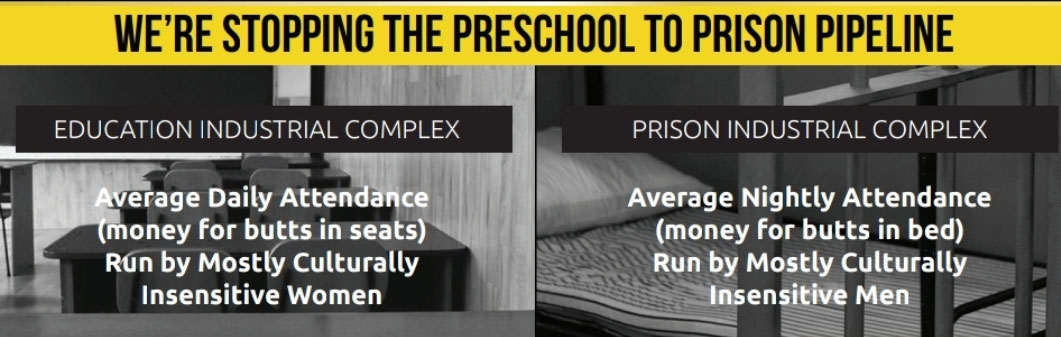
3. Examining the School-to-Prison Pipeline
Another major concern is the relationship between school discipline, policing, and the criminal justice system.
The term school-to-prison pipeline refers to systems and practices that can push students away from educational opportunities and toward involvement with the criminal justice system.
The source explains that subjective categories such as “defiance” or “disrespect” can sometimes lead to serious disciplinary consequences. It provides an example involving an Ohio student who was suspended after reacting to a teacher’s desk tapping.
When students repeatedly encounter disciplinary responses instead of support, their relationship with school can change.
Rather than seeing teachers and administrators as people who are there to help them succeed, students may begin to view school as an environment focused on surveillance and punishment.
Addressing this issue requires schools to examine how disciplinary policies are written and applied. It also requires consideration of alternatives to unnecessary policing and exclusion.
The source emphasizes approaches that place greater attention on student support, growth, and educational connection.
4. Respecting Black Culture and Student Identity
A student’s identity is an important part of their educational experience.
Black students should not have to feel that their hairstyles, cultural expressions, language, or personal experiences make them less welcome in school.
Cultural erasure can occur when school policies or practices consistently treat one cultural standard as the default while viewing other forms of expression as inappropriate or problematic.
The source identifies examples such as hairstyle restrictions, uniform policies, hat rules, and language policing as areas that can contribute to feelings of exclusion.
These experiences may appear small when viewed individually. However, repeated experiences can influence a student’s sense of identity and belonging.
For children and young people, feeling accepted matters.
Schools can create stronger environments by recognizing the diversity of their students and making cultural respect part of everyday school life. This can include listening to students, responding seriously to concerns about discrimination, and creating policies that are applied fairly.
Cultural safety should be considered an essential part of creating safe schools.
5. The Connection Between School Experiences and Mental Health
Educational experiences can influence a student’s emotional well-being.
Repeated unfair treatment, exclusion, cultural disrespect, and disciplinary action can contribute to stress and disconnection from school. Students who do not feel safe may also become less willing to attend school or participate in classroom activities.
The source cites CDC findings indicating that students who reported unfair discipline were more likely to report skipping school because they felt unsafe, persistent sadness or hopelessness, and serious mental-health-related concerns.
These findings demonstrate why conversations about educational safety should include mental and emotional well-being.
Schools can strengthen student support by making appropriate counseling resources available, developing trusting relationships between students and adults, and using trauma-informed approaches when responding to difficult situations.
Students need to know that asking for help will not automatically result in punishment.
They also need opportunities to talk about their experiences and concerns in environments where they feel heard.
6. Creating More Inclusive and Supportive Schools
Recognizing problems is only one part of creating change. Schools and communities also need to consider practical ways to build more supportive educational environments.
The source identifies several areas for action.
Policy Reform
Schools can examine disciplinary policies and consider approaches that reduce unnecessary exclusion. Restorative justice, culturally responsive teaching, and bias training are among the approaches identified in the source.
These approaches can encourage schools to focus on accountability while also preserving student relationships and educational opportunities.
Greater Representation
Representation within schools can also play an important role.
The source calls for increasing the number of Black teachers, counselors, and administrators who can contribute to an environment where Black students’ identities and experiences are recognized.
Students benefit from having trusted adults who understand different cultural experiences and can provide meaningful support.
Stronger Mental Health Support
Schools can make student well-being part of their broader safety strategy.
Mental health resources, trauma-informed practices, counseling, and supportive relationships can help students navigate difficult experiences without becoming disconnected from education.
Transparent Data
Schools also need to understand what is happening within their own environments.
Collecting and reviewing discipline and safety data by race can help identify patterns and areas that require further examination.
Transparency can give educators, families, and communities information they can use when discussing school policies and student experiences.
Listening to Students and Families
Black students and their families should have meaningful opportunities to contribute to conversations about school safety.
Students experience school policies directly. Parents and families can also provide important perspectives about incidents, concerns, and patterns that may not be visible from an administrative perspective.
The source emphasizes placing Black students and their families at the center of efforts to create safe and affirming educational environments.
Conclusion
Creating safer schools requires us to look beyond the most visible forms of violence.
For Black students, school safety can also involve protection from unfair treatment, cultural disrespect, disproportionate discipline, exclusion, stigma, and other experiences that can damage a student’s sense of belonging.
A safe school should be an environment where students can learn without feeling that their identity makes them a target.
The Black Student Advocate Network emphasizes the importance of educational environments where Black children’s identities, lives, and futures are affirmed rather than minimized or criminalized.
Building those environments requires collaboration among students, parents, educators, school leaders, policymakers, and community organizations.
It requires schools to listen, examine their practices, recognize disparities, and create opportunities for meaningful change.
Most importantly, safety should include more than physical protection.
Students deserve schools where they feel respected, heard, included, and able to grow.
By addressing both visible and hidden forms of harm, communities can work toward educational environments where Black students are given the dignity, support, and opportunities they deserve.


Share This Page