

Violence in schools is often discussed in headlines and policy debates, but for many Black families, it is not just a distant issue—it is a daily reality. The phrase violence in black schools goes far beyond physical altercations or tragic shootings. It includes systemic inequities, over-policing, racial bias, emotional harm, and environments where Black students feel unsafe, unheard, and unsupported.
Recent data reveals alarming disparities. Schools with higher populations of students of color report significantly more violent incidents, with over 70% of such schools experiencing violence compared to lower percentages in predominantly white schools. Additionally, Black students are disproportionately impacted by school violence, including being more likely to be victims of school shootings and policing-related assaults.
At The Black Student Advocate Network, we believe the conversation must shift—from fear and reaction to advocacy and transformation. This blog explores the root causes, hidden realities, and actionable solutions to protect Black youth and build safer, more equitable educational spaces.
1. Understanding the Reality of Violence in Black Schools
When discussing violence in black schools, it is important to recognize that it manifests in multiple forms:
-
Physical violence (fights, assaults, shootings)
-
Structural violence (inequitable funding, overcrowding)
-
Institutional violence (harsh discipline policies)
-
Emotional and psychological harm (racism, exclusion)
Data shows that Black students are three times more likely to be killed in school shootings compared to white students when adjusted for population . At the same time, schools with higher minority populations report more incidents of bullying, racial tension, and crime.
However, focusing only on physical violence misses the bigger picture. Many Black students experience daily microaggressions, cultural erasure, and biased disciplinary actions that create unsafe environments even without physical harm.
At its core, violence is not just what happens in hallways—it is what happens within systems.
2. The Hidden Violence: Discipline, Bias, and Criminalization
One of the most overlooked aspects of violence in black schools is disciplinary inequality.
Black students are significantly more likely to face:
-
Suspensions and expulsions
-
Law enforcement referrals
-
Surveillance and policing
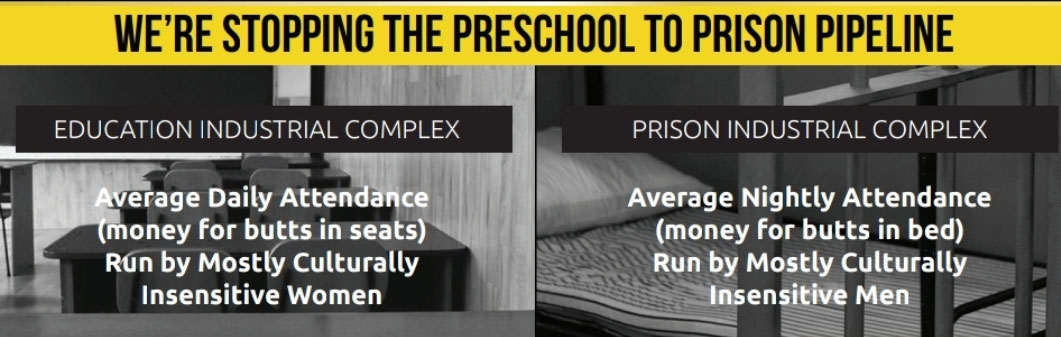
Research shows that Black students experience harsher discipline even when behavior is similar to their peers. This creates what many experts call the school-to-prison pipeline.
Even more troubling, Black students account for 84% of school policing assault victims in recent reports. This reflects a system where discipline becomes punishment rather than support.
Instead of addressing root causes—like trauma, mental health, or systemic inequality—schools often respond with control and criminalization. This not only harms students but reinforces cycles of fear and mistrust.
At The Black Student Advocate Network, we emphasize that true safety cannot exist where students are treated as threats instead of children.
3. The Impact of Violence on Mental Health and Academic Success
Violence—whether physical or systemic—has long-term consequences on Black students’ well-being.
Studies show that exposure to violence leads to:
-
Increased anxiety and depression
-
Lower self-esteem
-
Reduced academic performance
-
Decreased sense of belonging
Research also indicates that students exposed to violence feel less safe and are less engaged in school, which directly affects academic outcomes.
When students are constantly in survival mode, learning becomes secondary.
Additionally, repeated exposure to bias and exclusion can result in:
-
Chronic stress
-
Disengagement from education
-
Higher dropout rates
This is why addressing violence in black schools is not just about safety—it is about equity, opportunity, and future success.
4. Root Causes: Why Violence Persists in Black Educational Spaces
To move from fear to advocacy, we must understand the root causes of violence.
a. Systemic Inequality
Schools in predominantly Black communities often face underfunding, fewer resources, and overcrowded classrooms.
b. Over-Policing and Surveillance
Increased police presence does not necessarily improve safety. In fact, it often leads to more student arrests and escalations rather than prevention.
c. Racial Bias and Adultification
Black students are frequently perceived as older or more threatening than their peers, leading to harsher punishment.
d. Community and Environmental Factors
Violence in surrounding neighborhoods can spill into schools, especially in under-resourced areas.
e. Lack of Mental Health Support
Many schools lack adequate counselors, social workers, and trauma-informed programs.
Research also shows that low-income schools are significantly more likely to experience violent incidents, highlighting the connection between poverty and school safety .
Understanding these causes is essential to creating meaningful, lasting change.
5. From Fear to Advocacy: Strategies for Safer Schools
Transforming violence in black schools requires a shift from reactive policies to proactive solutions.
a. Invest in Mental Health Services
Schools must prioritize counseling, trauma support, and emotional well-being.
b. Replace Punitive Discipline with Restorative Practices
Restorative justice focuses on accountability, healing, and community-building rather than punishment.
c. Reduce Over-Policing
Evidence suggests that heavy police presence can increase harm rather than prevent it. Schools should focus on support staff instead.
d. Culturally Responsive Education
Incorporating Black history, culture, and identity into education fosters belonging and respect.
e. Community Engagement
Parents, educators, and local organizations must collaborate to create safe environments.
f. Student Voice and Leadership
Empowering students to speak up and advocate for themselves is critical.
At The Black Student Advocate Network, we champion these strategies as essential steps toward equity and safety.
6. The Role of Advocacy Organizations in Driving Change
Advocacy is the bridge between awareness and action.
Organizations like The Black Student Advocate Network play a vital role by:
-
Amplifying student voices
-
Challenging discriminatory policies
-
Providing resources and education
-
Promoting equity-driven reforms
Advocacy transforms fear into power. It ensures that:
-
Students are not silenced
-
Inequities are addressed
-
Systems are held accountable
Change does not happen overnight—but it begins with awareness, conversation, and collective action.
By building networks of support and advocacy, we can create schools where Black students feel safe, valued, and empowered.
Conclusion
The issue of violence in black schools is complex, deeply rooted, and impossible to ignore. It extends beyond physical harm to include systemic inequities, racial bias, and emotional trauma that shape the educational experiences of Black youth.
But there is hope.
By shifting from fear to advocacy, we can reimagine schools as spaces of safety, inclusion, and opportunity. This requires:
-
Addressing systemic inequalities
-
Reforming disciplinary practices
-
Investing in mental health and community support
-
Empowering students and families
At The Black Student Advocate Network, we believe that every Black child deserves to learn in an environment free from fear—where their identity is respected, their voice is heard, and their future is protected.
The path forward is not easy, but it is necessary. And it begins with all of us choosing advocacy over silence.


Share This Page