
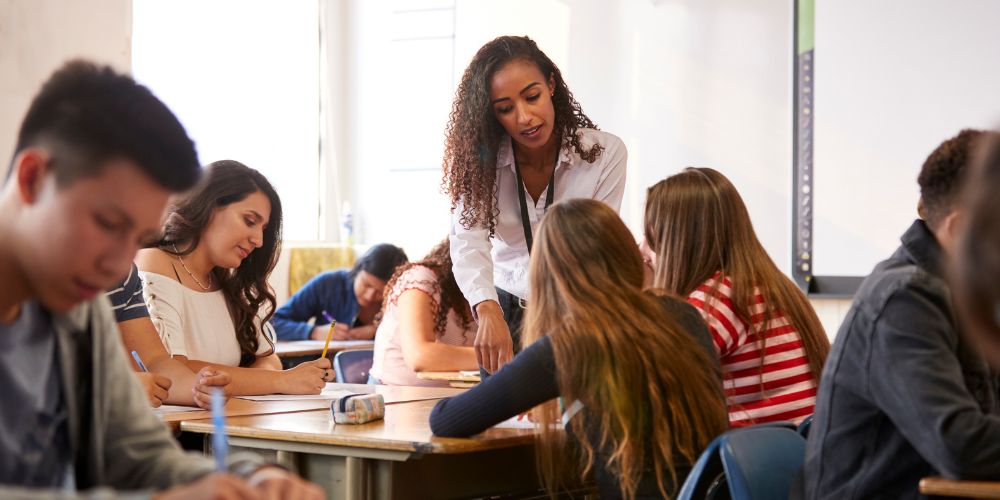
Education can create opportunities, build confidence, and help students imagine a stronger future. But for education to serve every student fairly, classrooms must recognize and respect the different cultural experiences students bring with them.
For white teachers and Black students, building a positive classroom relationship can sometimes require educators to look beyond traditional teaching methods. Good intentions matter, but meaningful support also requires listening, self-reflection, cultural awareness, and a willingness to address barriers that may affect students’ educational experiences.
White educators who work with Black students have an opportunity to create classrooms where students feel respected, represented, and encouraged to succeed. That process begins with understanding students rather than making assumptions about them.
The goal is not for teachers to become experts in every aspect of another person’s culture. Instead, it is to remain curious, open to learning, willing to acknowledge mistakes, and committed to creating equitable opportunities.
For educators seeking practical ways to support Black students, the following six approaches can provide a meaningful starting point.
1. Start by Listening to Black Students
One of the most important things educators can do is listen.
Teachers may enter a classroom with established teaching methods, expectations, and assumptions about what students need. However, those assumptions do not always reflect the experiences of the students themselves.
Listening gives teachers an opportunity to understand how students experience school, what makes them feel supported, and what challenges may be affecting their education.
Create Opportunities for Honest Conversations
Teachers can build listening into everyday classroom practices by:
Asking students about their interests, goals, and experiences.
Creating opportunities for students to share their perspectives.
Paying attention when students express concerns about classroom treatment.
Encouraging respectful conversations about identity and community.
Seeking feedback about classroom practices and learning activities.
Listening should not be limited to moments when a student is experiencing a problem. It should become part of the teacher-student relationship.
Learn Beyond the Classroom
Educators can also broaden their understanding by learning from Black authors, educators, historians, artists, and community leaders.
Books, documentaries, lectures, podcasts, and community events can provide valuable perspectives. The goal is not simply to collect information, but to develop a deeper understanding of the experiences that may shape students’ lives.
When teachers listen without becoming defensive, they create more opportunities for trust and meaningful connection.
2. Examine Bias and Classroom Assumptions
Every educator brings personal experiences and assumptions into the classroom. Some assumptions may be conscious, while others may be difficult to recognize.
Teachers should regularly examine how those assumptions influence expectations, discipline, participation, grading, and interactions with students.
Ask Difficult Questions
Self-reflection can begin with questions such as:
Do I interpret confidence or assertiveness differently depending on the student?
Do I have different expectations for different groups of students?
Am I responding to behavior consistently?
Do I make assumptions about a student’s family or community?
Am I giving students enough opportunities to demonstrate their abilities?
Could an unconscious assumption be affecting my response to a student?
These questions are not intended to create guilt. They are tools for professional growth.
Make Reflection an Ongoing Practice
A single workshop or training session cannot address every form of bias. Educators can continue learning through professional development, peer conversations, mentorship, and regular reflection.
Teachers can also review classroom data when available. Looking at patterns in discipline referrals, grades, participation, advanced-course enrollment, and other areas can help educators identify questions worth examining.
Recognizing bias is only the beginning. The more important step is using that awareness to improve classroom decisions and student experiences.
3. Make Representation Part of Everyday Learning
Students benefit when their identities and communities are represented meaningfully in their education.
For Black students, representation should not be limited to a single month or a handful of historical figures. Black history, creativity, scholarship, leadership, and achievement can be incorporated throughout the school year and across different subjects.
Expand the Curriculum
Teachers can consider including:
Books and essays by Black authors.
Black scientists and innovators in science lessons.
Black artists and creators in art and media studies.
Black mathematicians and professionals in relevant examples.
Diverse perspectives when teaching American and world history.
Contemporary contributions from Black professionals and community leaders.
Representation should also move beyond stories of struggle. Students deserve opportunities to learn about Black achievement, creativity, leadership, innovation, and cultural contributions.
Respect Language and Cultural Expression
Students may communicate differently depending on the setting, audience, and community. Educators can teach students how to navigate different communication styles without treating cultural language patterns as evidence of lower intelligence or ability.
For example, African American English is a recognized linguistic variety with its own systematic features. Teachers can help students develop academic and professional communication skills while still respecting the language varieties students bring to school.
A culturally responsive classroom does not require teachers to abandon academic standards. Instead, it encourages educators to maintain high expectations while respecting students’ identities.
4. Build Trust Before Relying on Discipline
A strong classroom depends on relationships as well as rules.
Students are more likely to engage with educators when they believe their teachers respect them, listen to them, and care about their development. Building that trust requires consistency and genuine effort.
Show Students That You See Them
Small actions can make a significant difference:
Greet students by name.
Learn about their interests.
Recognize their accomplishments.
Ask about their goals.
Make time for questions and concerns.
Celebrate progress as well as achievement.
Keep classroom expectations clear and consistent.
These practices help students understand that they are valued members of the classroom community.
Take Responsibility When You Make a Mistake
Teachers will not always get everything right. An educator may mispronounce a name, misunderstand a situation, use inappropriate language, or make an assumption that causes harm.
When that happens, acknowledging the mistake and making an effort to correct it can strengthen trust.
Students do not need teachers who pretend to be perfect. They need educators who are willing to listen, learn, and take responsibility.
5. Give Black Students Opportunities to Lead
Empowerment is not simply about providing support. It also means creating opportunities for students to exercise their own voice, creativity, and leadership.
Teachers can give students greater ownership of their education by providing meaningful choices and encouraging them to participate in classroom decision-making.
Encourage Student Voice
Consider giving students opportunities to:
Choose research and project topics.
Lead classroom discussions.
Present ideas to their peers.
Participate in student organizations.
Develop community-focused projects.
Provide feedback on classroom activities.
Explore subjects connected to their identities and interests.
Student voice should be treated as an important part of learning rather than an occasional classroom activity.
Respect Individual Expression
Students may express their identity through their clothing, hairstyles, language, interests, music, art, or other forms of cultural expression.
Educators should carefully consider whether classroom rules are genuinely necessary and whether they are being applied consistently.
Creating space for appropriate individual expression can help students feel that they do not have to hide important parts of themselves in order to succeed academically.
6. Turn Classroom Awareness Into Educational Advocacy
Supporting students does not always stop at the classroom door.
Educators may encounter policies or practices that create unequal experiences for different groups of students. Teachers can play a role in identifying concerns, raising questions, and working with colleagues, families, and administrators to improve educational practices.
Advocate for Fair Opportunities
Depending on their role and school environment, teachers may contribute by:
Raising concerns about inconsistent disciplinary practices.
Supporting inclusive curriculum development.
Encouraging access to challenging academic opportunities.
Connecting students with appropriate academic resources.
Working with families and community organizations.
Supporting programs that promote student achievement.
Encouraging equitable access to extracurricular activities and leadership opportunities.
Advocacy does not mean speaking for students when they can speak for themselves. Whenever possible, educators should create opportunities for students and families to participate directly in conversations about their education.
Work With Colleagues and Families
Meaningful change is rarely accomplished by one teacher working alone.
Teachers can collaborate with Black educators, counselors, administrators, families, community organizations, and other stakeholders. Different perspectives can help schools identify challenges and develop more effective approaches.
The goal should be partnership rather than assuming that one educator has all the answers.
Conclusion
Supporting Black students requires more than good intentions. It requires educators to listen carefully, examine their assumptions, learn about cultures and histories, build trusting relationships, encourage student leadership, and advocate for equitable educational opportunities.
For white teachers and Black students, the classroom can become a place where differences are respected rather than treated as obstacles. Teachers do not have to know everything before they begin this work. They can start by listening, asking thoughtful questions, learning continuously, and remaining open to feedback.
The most meaningful progress often happens through everyday actions: learning a student’s story, recognizing their strengths, examining a classroom policy, changing a teaching practice, or giving a student the opportunity to lead.
At The Black Student Advocate Network, the broader goal is to help create educational environments where Black students are heard, respected, represented, and supported.
When educators approach this work with humility and consistency, they can help create classrooms where every student has meaningful opportunities to learn, participate, grow, and lead.




Share This Page