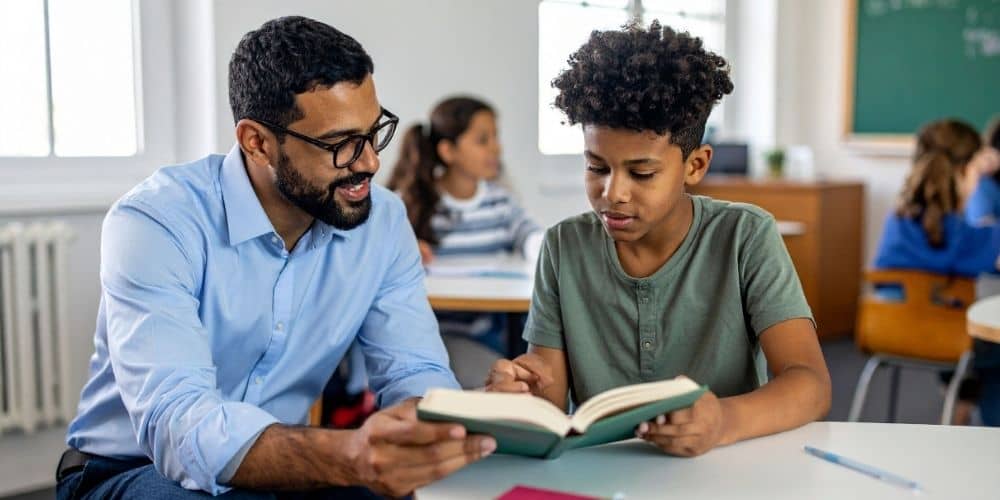
Every student deserves to learn in an environment where they feel respected, supported, and encouraged to succeed. Unfortunately, racial bias in the classroom continues to affect the educational experiences of many students, particularly Black students and other students of color. While schools have made progress in promoting diversity and inclusion, bias—whether conscious or unconscious—can still influence classroom interactions, academic expectations, disciplinary decisions, and student confidence.
Racial bias does not always appear as obvious discrimination. It can show up in subtle ways, such as lower expectations for certain students, unequal opportunities to participate, harsher discipline, or teaching materials that fail to reflect diverse cultures and experiences. Over time, these experiences can impact students’ academic performance, emotional well-being, and long-term educational outcomes.
Creating equitable classrooms requires commitment from educators, school leaders, families, and communities. Schools that recognize and address racial bias are better equipped to build safe, inclusive learning environments where every student has the opportunity to thrive.
At The Black Student Advocate Network, we believe every child deserves access to an education that values their identity, celebrates their strengths, and prepares them for lifelong success. Understanding racial bias is the first step toward meaningful change.
1. What Is Racial Bias in the Classroom?
Racial bias in the classroom refers to attitudes, assumptions, or behaviors that unfairly influence how students are treated based on their race or ethnicity. Bias may be intentional or unintentional, but its effects can be significant.
Examples include:
- Assuming certain students are less academically capable.
- Calling on some students more often than others.
- Applying classroom rules inconsistently.
- Using curriculum that excludes diverse perspectives.
- Responding differently to similar behaviors depending on a student’s race.
Many educators genuinely want to support all students equally. However, unconscious or implicit biases can influence decisions without individuals realizing it. These biases are often shaped by personal experiences, media messages, and societal stereotypes.
Recognizing bias is not about assigning blame. Instead, it is about identifying barriers that prevent students from reaching their full potential and taking intentional steps to create more equitable learning environments.
2. How Racial Bias Impacts Student Success
The effects of racial bias in the classroom extend far beyond a single lesson or school day. Repeated experiences of unfair treatment can influence nearly every aspect of a student’s educational journey.
Academic Achievement
When students feel their teachers have lower expectations of them, they may become less engaged in learning. Research has consistently shown that teacher expectations can influence student performance.
Students who experience bias may:
- Participate less during class discussions.
- Feel discouraged from pursuing advanced coursework.
- Lose confidence in their academic abilities.
- Experience lower motivation.
Emotional Well-Being
School should be a place where students feel safe and valued. Experiences with racial bias can lead to:
- Anxiety
- Stress
- Isolation
- Lower self-esteem
- Reduced sense of belonging
Students who feel excluded often find it more difficult to fully engage in learning.
Long-Term Opportunities
Bias can affect recommendations for gifted programs, honors classes, leadership opportunities, and college preparation. Over time, unequal access to these opportunities can influence career pathways and future success.
When schools actively address racial bias, students are more likely to develop confidence, resilience, and a stronger connection to their education.
3. Common Signs of Racial Bias in Schools
Racial bias is not always obvious. It can exist within everyday classroom routines and school systems.
Some common signs include:
Unequal Discipline
Studies have found that Black students often receive harsher disciplinary consequences for behaviors similar to those of their peers. Frequent suspensions and exclusions can reduce instructional time and increase academic challenges.
Lower Academic Expectations
Some educators may unintentionally underestimate students based on stereotypes rather than individual ability. This can limit opportunities for advanced learning and enrichment.
Lack of Representation
Students benefit from seeing themselves reflected in classroom materials. When books, historical figures, and examples consistently overlook diverse communities, students may feel invisible.
Unequal Participation
Teachers may unintentionally call on certain groups more often, provide more detailed feedback, or encourage participation differently across students.
Cultural Misunderstandings
Differences in communication styles, family traditions, or cultural backgrounds can sometimes be misinterpreted as behavioral or academic problems.
Recognizing these patterns allows schools to create more equitable policies and classroom practices.
4. Strategies Schools Can Use to Reduce Racial Bias
Addressing racial bias in the classroom requires more than good intentions. Schools need practical strategies that promote fairness and inclusion.
Provide Ongoing Professional Development
Educators benefit from training that explores:
- Implicit bias
- Cultural responsiveness
- Inclusive teaching practices
- Equity-focused classroom management
Professional learning should be continuous rather than a one-time event.
Use Inclusive Curriculum
Students should learn from materials that represent diverse cultures, voices, and historical perspectives.
An inclusive curriculum helps students:
- Develop empathy.
- Appreciate different experiences.
- Build critical thinking skills.
- Feel represented in their education.
Review School Policies
Schools should regularly examine:
- Discipline procedures
- Grading practices
- Placement in advanced courses
- Referral processes
- Student support systems
Using data can help identify patterns that may unintentionally disadvantage certain student groups.
Encourage Student Voice
Students should have opportunities to share their experiences and participate in shaping school culture.
Student leadership groups, surveys, and open discussions can provide valuable insight into creating more inclusive schools.
5. The Role of Teachers, Families, and Communities
Addressing racial bias in the classroom requires more than good intentions. Schools need practical strategies that promote fairness and inclusion.
Provide Ongoing Professional Development
Educators benefit from training that explores:
- Implicit bias
- Cultural responsiveness
- Inclusive teaching practices
- Equity-focused classroom management
Professional learning should be continuous rather than a one-time event.
Use Inclusive Curriculum
Students should learn from materials that represent diverse cultures, voices, and historical perspectives.
An inclusive curriculum helps students:
- Develop empathy.
- Appreciate different experiences.
- Build critical thinking skills.
- Feel represented in their education.
Review School Policies
Schools should regularly examine:
- Discipline procedures
- Grading practices
- Placement in advanced courses
- Referral processes
- Student support systems
Using data can help identify patterns that may unintentionally disadvantage certain student groups.
Encourage Student Voice
Students should have opportunities to share their experiences and participate in shaping school culture.
Student leadership groups, surveys, and open discussions can provide valuable insight into creating more inclusive schools.
6. Building Classrooms Where Every Student Can Thrive
Creating equitable classrooms requires intentional action every day. Schools that prioritize inclusion often see improvements in student engagement, academic achievement, and school climate.
Some practical steps include:
- Establish classroom expectations that promote respect.
- Celebrate cultural diversity throughout the school year.
- Encourage collaborative learning.
- Provide equitable access to enrichment opportunities.
- Use data to monitor student outcomes.
- Regularly evaluate equity initiatives.
- Foster open conversations about diversity and belonging.
- Support students through mentoring and advocacy programs.
Every student deserves to feel heard, respected, and capable of success. Small changes in classroom practice can make a lasting difference in students’ educational experiences.
By creating inclusive learning environments, schools help prepare students not only for academic success but also for active participation in diverse communities.
Conclusion
Addressing racial bias in the classroom is essential for creating schools where every student has an equal opportunity to succeed. Bias—whether intentional or unconscious—can influence academic achievement, emotional well-being, and access to future opportunities. However, schools have the power to reduce these barriers through equitable policies, culturally responsive teaching, inclusive curricula, and strong partnerships with families and communities.
Creating meaningful change requires ongoing reflection, education, and collaboration. Every educator, administrator, parent, and community leader has a role to play in building classrooms that value diversity and foster belonging.
At The Black Student Advocate Network, we are committed to supporting schools, families, and students in advancing educational equity. By working together to recognize and address racial bias, we can help ensure that every student is seen, heard, respected, and empowered to reach their full potential.


Share This Page