
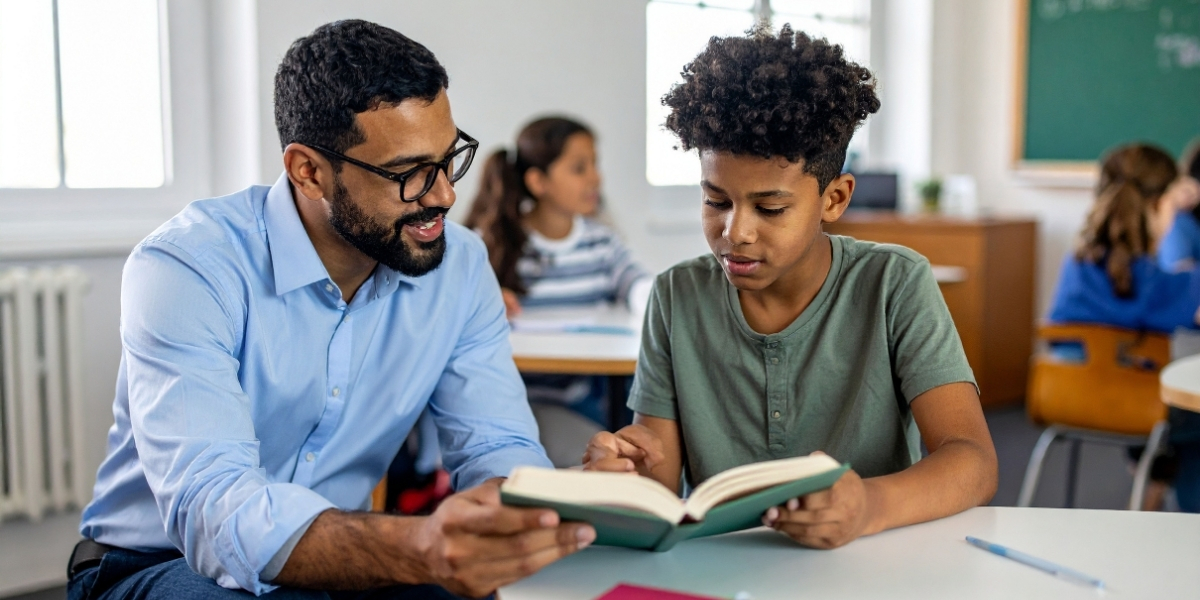
Every student deserves to learn in an environment where they feel respected, valued, and supported. Teachers play a major role in helping students grow academically and personally. Most educators are committed to fairness, but there are situations where students may experience unequal treatment because of their race, ethnicity, gender, disability, religion, socioeconomic background, language, or other personal characteristics. This is known as teacher discrimination against student, and it can have lasting effects on a child’s confidence, academic success, and emotional well-being.
Discrimination in schools is not always obvious. Sometimes it appears through repeated unfair grading, unequal discipline, exclusion from classroom activities, or different expectations for certain students. These actions can create barriers that prevent students from reaching their full potential.
At The Black Student Advocate Network, we believe every student deserves equal opportunities and a safe learning environment. Raising awareness about discrimination is an important step toward creating more inclusive schools where every child can thrive.
In this guide, we’ll explain the warning signs of teacher discrimination against student, explore why it happens, discuss its impact, and provide practical steps students, parents, and communities can take to address the problem.
What Is Teacher Discrimination Against Student?
Teacher discrimination against student occurs when a teacher treats one or more students unfairly because of protected or personal characteristics rather than their behavior or academic performance.
Discrimination can be intentional or unintentional. In some cases, teachers may consciously show favoritism or prejudice. In others, unconscious bias influences how they interact with students without realizing it.
Common forms of discrimination include:
- Treating students differently based on race or ethnicity
- Showing favoritism toward certain groups
- Giving unfair grades
- Ignoring students during class discussions
- Using offensive comments or stereotypes
- Applying discipline inconsistently
- Limiting opportunities for participation
- Making assumptions about intelligence or behavior
It’s important to recognize that occasional disagreements between teachers and students are not necessarily discrimination. The concern arises when unfair treatment becomes consistent, targeted, and connected to a student’s identity.
Understanding these differences helps students and families recognize when action may be necessary.
Common Signs of Teacher Discrimination Against Student
Discrimination is often subtle, making it difficult for students to identify. However, repeated patterns can reveal whether unfair treatment exists.
Unfair Discipline
One of the most common warning signs is when certain students receive harsher punishments than others for similar behavior.
Examples include:
- Frequent detention
- Excessive referrals
- Public embarrassment
- Suspension for minor offenses
If similar actions receive different consequences depending on who commits them, discrimination may be involved.
Unequal Academic Expectations
Teachers should encourage every student to succeed.
Warning signs include:
- Assuming certain students cannot succeed
- Refusing advanced learning opportunities
- Discouraging participation
- Offering less academic support
Low expectations often affect student confidence and long-term achievement.
Classroom Exclusion
Some students may notice they are consistently:
- Ignored during discussions
- Not chosen for leadership roles
- Excluded from group activities
- Left out of classroom recognition
Repeated exclusion sends the message that a student is less valued.
Biased Language
Comments based on stereotypes, culture, race, gender, religion, disability, or family background are never acceptable.
Examples include:
- Negative jokes
- Offensive remarks
- Stereotyping abilities
- Public humiliation
Even “small” comments can seriously affect a student’s emotional well-being.
Different Grading Standards
If a student’s work consistently receives lower grades despite meeting the same standards as classmates, it may indicate bias.
Parents should review assignments carefully before assuming discrimination, but consistent patterns deserve attention.
Why Does Teacher Discrimination Happen?
Understanding the causes can help schools prevent discrimination and improve educational experiences for everyone.
Unconscious Bias
Many educators genuinely want every student to succeed. However, unconscious bias can influence expectations and decisions without intentional discrimination.
These hidden assumptions may affect:
- Participation opportunities
- Classroom interactions
- Discipline decisions
- Academic expectations
Professional training helps educators recognize and reduce these biases.
Stereotypes
Society often promotes stereotypes based on race, gender, income, disability, or language.
Teachers exposed to these stereotypes may unintentionally allow them to influence classroom decisions.
Lack of Cultural Awareness
Schools serve increasingly diverse student populations.
Without cultural competency training, teachers may misunderstand:
- Communication styles
- Cultural traditions
- Family dynamics
- Learning differences
Better cultural understanding creates stronger teacher-student relationships.
School Environment
Sometimes discrimination reflects broader school policies or culture rather than one teacher’s actions.
Examples include:
- Unequal discipline policies
- Lack of diversity training
- Poor accountability systems
- Limited reporting procedures
Schools should actively evaluate policies to ensure fairness.
Personal Bias
Although less common, some cases involve intentional prejudice.
These situations require immediate attention because they directly violate students’ rights to equal educational opportunities.
The Impact of Teacher Discrimination on Students
Teacher discrimination against student affects much more than classroom performance.
Lower Academic Achievement
Students who feel unfairly treated often:
- Participate less
- Lose motivation
- Skip class
- Earn lower grades
Many begin believing they cannot succeed, even when they have strong abilities.
Emotional and Mental Health
Discrimination can contribute to:
- Anxiety
- Stress
- Depression
- Isolation
- Low self-esteem
Students deserve learning environments that build confidence instead of diminishing it.
Reduced School Engagement
Students experiencing discrimination may:
- Avoid school
- Stop participating
- Lose interest in learning
- Withdraw socially
This affects both educational success and personal development.
Long-Term Effects
The impact may continue into adulthood through:
- Reduced educational opportunities
- Career limitations
- Distrust of authority figures
- Lower confidence
Early intervention helps reduce these long-term consequences.
What Students and Parents Can Do
If you believe teacher discrimination against student is occurring, taking thoughtful, organized action is important.
Document Incidents
Keep records of:
- Dates
- Times
- Specific comments
- Witnesses
- Assignments
- Emails
- Grading examples
Clear documentation strengthens concerns when discussing the issue.
Encourage Open Communication
Students should feel safe discussing classroom experiences with parents or trusted adults.
Listening without immediately dismissing concerns encourages honesty and trust.
Meet with the Teacher
Sometimes misunderstandings can be resolved through respectful conversation.
Ask questions such as:
- Can you explain this grading decision?
- Why was my child disciplined differently?
- How can we work together to improve communication?
Many concerns are addressed through collaborative discussions.
Contact School Administration
If problems continue, parents can speak with:
- Principals
- School counselors
- District administrators
- Equity coordinators
Present documented evidence rather than assumptions.
Understand Student Rights
Schools must follow federal, state, and local anti-discrimination laws and policies. Parents can review school policies to understand available complaint procedures and support resources.
How Schools Can Prevent Teacher Discrimination Against Student
Preventing discrimination requires commitment from the entire school community.
Provide Ongoing Bias Training
Teachers benefit from professional development focused on:
- Cultural competency
- Inclusive teaching
- Implicit bias
- Trauma-informed education
Continuous learning supports fair classroom practices.
Create Transparent Policies
Schools should establish clear procedures for:
- Reporting discrimination
- Investigating complaints
- Protecting students from retaliation
- Resolving concerns fairly
Transparency builds trust among families.
Encourage Inclusive Classrooms
Teachers can promote belonging by:
- Using diverse learning materials
- Respecting different perspectives
- Encouraging equal participation
- Celebrating cultural diversity
Inclusive classrooms improve outcomes for all students.
Strengthen Accountability
School leaders should regularly review:
- Discipline data
- Academic outcomes
- Student surveys
- Parent feedback
Patterns of unequal treatment should be addressed promptly.
Partner with Student Advocacy Organizations
Community organizations provide valuable support, education, and resources for students and families.
The Black Student Advocate Network works to raise awareness about educational equity, student advocacy, and creating supportive learning environments where every student has the opportunity to succeed. Through education, resources, and community engagement, the organization encourages schools and families to work together toward fairness and inclusion.
Conclusion
Teacher discrimination against student is a serious issue that can affect academic performance, emotional health, and future opportunities. While many teachers are dedicated professionals who genuinely care about their students, recognizing and addressing unfair treatment remains essential for building equitable schools.
Students should never feel overlooked, judged, or limited because of who they are. Parents, educators, administrators, and community organizations all share responsibility for ensuring classrooms remain places of respect, opportunity, and inclusion.
By recognizing warning signs early, documenting concerns, encouraging open communication, and promoting accountability, schools can create safer and more supportive learning environments for every child.
At The Black Student Advocate Network, we believe every student deserves to be treated with dignity, encouraged to reach their full potential, and given equal opportunities to succeed. Together, we can help eliminate teacher discrimination against student and build educational communities where fairness, respect, and advocacy guide every classroom experience.




Share This Page