
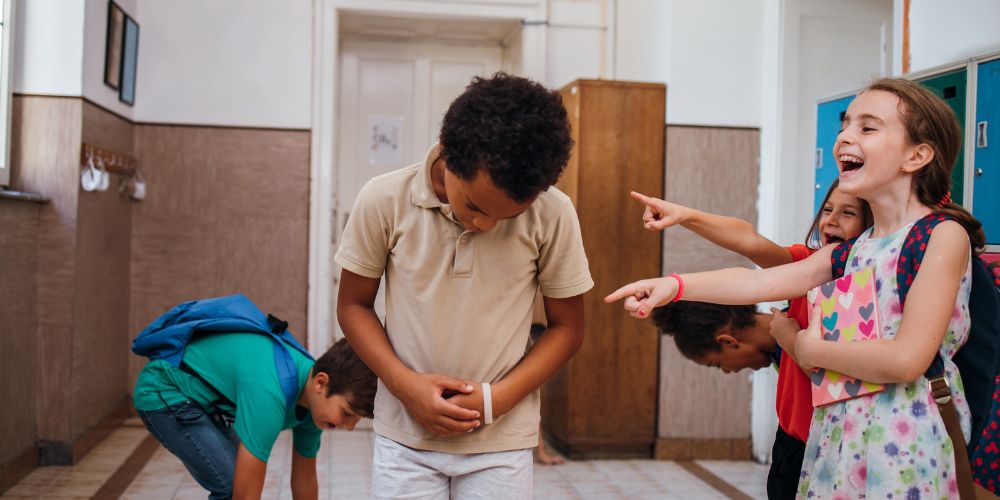
Every student deserves to attend school in an environment where they feel safe, respected, supported, and encouraged to succeed. Schools should be places where young people can develop their knowledge, discover their strengths, build friendships, and prepare for the future. However, concerns about violence in Black schools highlight the importance of addressing student safety, unequal access to support, discrimination, and the challenges that can affect learning communities.
Violence in schools can take many forms, including physical fights, bullying, threats, verbal abuse, cyberbullying, and incidents involving weapons. These experiences can affect students’ physical safety, emotional well-being, academic performance, and confidence in the education system. While school violence can affect students from every background, discussions about violence in Black schools must also consider the broader circumstances that shape students’ experiences, including community resources, school discipline practices, racial discrimination, and access to mental health services.
It is important to recognize that Black schools and predominantly Black student communities are not defined by violence. Many are places of academic achievement, cultural pride, leadership, creativity, and strong community relationships. Addressing safety concerns requires examining the specific conditions that contribute to harmful behavior without reinforcing negative stereotypes about Black students, families, or educators.
The Black Student Advocate Network recognizes the importance of student advocacy, equitable educational opportunities, and supportive school environments. By encouraging open communication, promoting fair treatment, and strengthening partnerships among students, families, educators, and community organizations, communities can work toward meaningful improvements in school safety.
This article explores the causes and effects of school violence, the importance of addressing racial and educational inequities, and practical strategies that can help create safer, more inclusive learning environments for Black students.
1. Understanding the Different Forms of Violence in Black Schools
To address violence in Black schools effectively, it is important to understand that school violence is not limited to physical fights. Harmful behavior can appear in several forms, and each requires an appropriate response. Recognizing these behaviors early can help schools protect students and prevent situations from becoming more serious.
Physical Violence and Threats
Physical violence includes hitting, pushing, fighting, and other actions that can cause injury. Threats of physical harm can also make students feel unsafe, even when an incident does not lead to an injury. Schools need clear procedures for responding to immediate safety concerns while ensuring that students receive fair treatment.
Bullying and Verbal Harassment
Bullying can involve repeated insults, intimidation, humiliation, exclusion, or the deliberate targeting of another student. Racial harassment, discriminatory comments, and attacks on a student’s identity can make these experiences especially harmful. Students should be able to report such behavior without fear of retaliation or embarrViolence in Black Schoolsassment.
Cyberbullying and Online Threats
Social media and messaging platforms can allow conflicts to continue outside school hours. Students may experience threatening messages, the sharing of embarrassing images, online harassment, or public humiliation. Although these incidents may happen online, they can affect students’ sense of safety and their ability to concentrate in the classroom.
Recognizing the Warning Signs
Educators and families should pay attention to changes in behavior, including withdrawal from friends, sudden drops in attendance, declining academic performance, repeated conflicts, or expressions of fear about attending school. These signs do not automatically mean a student is involved in violence, but they may indicate a need for a supportive conversation.
A clear understanding of the different forms of violence helps schools develop appropriate prevention strategies. Instead of waiting until an incident becomes serious, school communities can create systems that encourage early reporting, respectful communication, and timely support.
2. Exploring the Factors That Can Contribute to School Violence
There is no single explanation for school violence. Harmful incidents often result from several interacting factors, and the circumstances can differ considerably between schools and communities. Understanding these factors allows educators and advocates to focus on prevention rather than relying only on punishment after an incident occurs.
Emotional Stress and Unmet Mental Health Needs
Students may experience stress related to family difficulties, grief, discrimination, academic pressure, bullying, or other personal challenges. When students lack access to trusted adults, counselors, or appropriate mental health services, they may struggle to manage difficult emotions or resolve disagreements constructively.
Providing access to counseling and social-emotional learning can help students develop skills for managing stress, expressing their feelings, and handling conflict. These services should be accessible without stigmatizing students who need additional support.
Community Challenges and Limited Resources
Some communities experience economic hardship, housing instability, exposure to violence, or limited access to youth programs and mental health care. These conditions can create additional challenges for students and families. However, economic disadvantage does not make violenceViolence in Black Schools inevitable, and it should never be used to make assumptions about Black students or their communities.
Schools can respond by connecting families with community services, providing supportive after-school programs, and working with organizations that offer mentoring, recreation, and educational resources.
School Climate and Relationships
A school environment in which students feel ignored, unfairly treated, or disconnected from adults may make it harder to resolve conflicts before they escalate. Inconsistent discipline, weak communication, and a lack of trust can also undermine students’ willingness to report problems.
Schools can strengthen relationships by establishing clear expectations, listening to student concerns, responding consistently to misconduct, and involving students in discussions about safety.
Discrimination and Unequal Treatment
Racial discrimination and unequal disciplinary practices can damage students’ trust in school authorities. When students believe that rules are applied unfairly, tensions may increase and opportunities for constructive problem-solving may be lost.
School leaders should examine discipline policies, investigate reports of discrimination, and ensure that all students are treated with dignity. Understanding these contributing factors helps communities develop solutions that address underlying problems rather than simply reacting to individual incidents.
3. Examining the Impact of School Violence on Black Students
School violence can affect students long after an incident has ended. The consequences may involve academic difficulties, emotional distress, strained relationships, and reduced confidence in the educational environment. Understanding these effects is essential for creating effective support systems.
Academic Performance and Classroom Participation
Students who fear bullying, threats, or physical harm may struggle to concentrate during lessons. They may avoid certain classrooms, skip school, or find it difficult to complete assignments. Repeated disruptions can also affect the wider learning environment, making it harder for classmates and teachers to focus on academic goals.
Safe schools provide students with the stability they need to participate, ask questions, and develop their skills. When violence occurs, schools should address immediate safety concerns and help affected students return to learning with appropriate support.
Emotional and Psychological Well-Being
Experiencing or witnessing violence can lead to fear, stress, sadness, anger, and a loss of confidence. Some students may become withdrawn, while others may respond with frustration or difficulty managing their emotions. These reactions vary from person to person, and students should not be expected to recover without support.
Access to qualified counselors, trusted adults, and culturally responsive mental health services can help students process difficult experiences. Families and educators should listen carefully, avoid blaming victims, and take reports of harm seriously.
Attendance and School Engagement
Students who do not feel safe may become reluctant to attend school or participate in extracurricular activities. Frequent absences can create learning gaps and weaken connections with teachers and classmates.
Schools can help by investigating safety concerns, developing individualized support plans when needed, and communicating with families in a respectful and practical way.
Long-Term Educational Opportunities
When violence disrupts a student’s education, the effects may extend to graduation, future training, and career opportunities. Students need consistent access to learning, encouragement, and resources to reach their potential.
The Black Student Advocate Network can help bring attention to the importance of equitable educational experiences and student-centered support. Addressing violence is not only about preventing immediate harm; it is also about protecting students’ opportunities to learn, grow, and build successful futures.
4. Addressing Racial Inequities and Promoting Fair School Discipline
Efforts to reduce violence in Black schools should include a careful examination of how school policies are developed and enforced. Every student deserves consistent rules, fair treatment, and a disciplinary process that protects safety without relying on racial stereotypes.
Reviewing Disciplinary Policies
School administrators should regularly review suspension, expulsion, restraint, and other disciplinary practices. Where legally and ethically appropriate, examining discipline data by race, disability status, and other relevant factors can help identify patterns that deserve further investigation.
Differences in disciplinary outcomes do not automatically establish discrimination, but they can signal a need to examine how rules are applied, whether consequences are proportionate, and whether students receive equal access to support.
Balancing Accountability With Support
Serious misconduct requires appropriate intervention to protect students and staff. At the same time, schools should consider whether interventions can help students understand the consequences of their behavior and develop better ways to manage conflict.
Restorative practices, when appropriate and implemented safely, can support accountability, communication, and relationship repair. They should never require victims to meet with or forgive someone who harmed them, and they should not replace necessary protective measures.
Protecting Students With Disabilities
Students with disabilities may face additional barriers when reporting violence, understanding disciplinary procedures, or accessing appropriate support. Schools must consider applicable disability protections and provide suitable accommodations.
Educators should distinguish between behavior that requires a safety response and behavior that may be related to an unmet support need. Individualized approaches can help schools maintain safe classrooms while respecting students’ rights.
Building Trust Through Transparency
Families and students should understand how to report incidents, what happens after a report is made, and how the school protects confidentiality. Schools should explain policies clearly and communicate decisions appropriately while respecting privacy requirements.
Fair discipline strengthens trust and helps prevent conflict from becoming a larger problem. When students believe that adults will listen and respond consistently, they may feel more comfortable reporting concerns and seeking help before a situation escalates.
5. Practical Strategies for Preventing Violence and Creating Safer Schools
Preventing violence requires consistent action from school leaders, teachers, students, families, and community partners. No single program can address every challenge, but a coordinated approach can improve school climate and help students feel supported.
Establish Clear Reporting Systems
Schools should provide accessible ways for students to report bullying, threats, harassment, and other safety concerns. Reporting options may include speaking with a trusted staff member, contacting a counselor, or using an appropriately managed reporting system.
Students should know what happens after they make a report and how the school will address concerns about retaliation. Reports should be assessed promptly, with emergency situations handled immediately.
Strengthen Counseling and Student Support
Access to qualified school counselors, psychologists, social workers, and other support professionals can help students address emotional challenges and resolve conflicts. Schools should make it clear that asking for help is a sign of responsibility, not weakness.
Where resources are limited, school leaders can work with local organizations and community service providers to expand access to appropriate support.
Teach Conflict Resolution and Emotional Skills
Students benefit from learning how to communicate respectfully, manage frustration, recognize harmful behavior, and solve disagreements without aggression. These skills can be reinforced through classroom activities, advisory sessions, peer leadership initiatives, and age-appropriate social-emotional learning.
Conflict-resolution education should complement, rather than replace, clear consequences for threats, harassment, and violence.
Develop Positive Relationships Between Students and Staff
Students are more likely to seek help when they believe adults care about their safety and take their concerns seriously. Teachers can build trust by listening without judgment, setting consistent expectations, recognizing student achievements, and addressing disrespectful behavior promptly.
Mentoring programs can also give students access to positive role models who encourage academic progress, leadership, and personal development.
Create Strong Family and Community Partnerships
Parents, caregivers, community leaders, youth organizations, and school staff can work together to identify concerns and develop realistic solutions. Family engagement should be welcoming and flexible, recognizing that caregivers may face work schedules, transportation challenges, or language barriers.
Community partnerships can support after-school activities, tutoring, mentoring, recreation, and access to social services. These opportunities help students build connections and develop interests beyond the classroom.
Evaluate Safety Initiatives Regularly
School leaders should assess whether their prevention strategies are working. Useful indicators may include reported incidents, attendance patterns, student surveys, disciplinary outcomes, and feedback from families and staff.
Data should be interpreted carefully, since an increase in reports can sometimes reflect improved trust in the reporting process rather than an increase in harmful behavior. Regular evaluation allows schools to adjust programs and focus resources where they are most needed.
6. The Role of Student Advocacy in Building Safer Learning Environments
Student advocacy is an important part of improving educational experiences. It helps ensure that students’ voices are heard, their concerns receive appropriate attention, and school policies reflect their needs. When discussing violence in Black schools, advocacy can also help communities address unequal treatment and strengthen access to educational resources.
Empowering Students to Speak Up
Students should know that they have the right to raise concerns about bullying, discrimination, threats, and unsafe conditions. Schools can encourage participation through student councils, listening sessions, peer leadership programs, and other structured opportunities for students to share their experiences.
Students should not be expected to solve serious safety problems on their own. Adults and school administrators remain responsible for investigating concerns, protecting students, and taking appropriate action.
Supporting Families in Navigating School Systems
Families may need help understanding school policies, documenting concerns, requesting meetings, or identifying appropriate support services. Clear communication can help caregivers participate more effectively in decisions affecting their children’s education.
Advocates can encourage families to keep factual records of incidents, preserve relevant communications, and use established school reporting procedures. When concerns remain unresolved, families may consider contacting the appropriate district office, oversight agency, or qualified professional, depending on the circumstances.
Encouraging Equitable Educational Opportunities
A safe learning environment is closely connected to broader educational equity. Students need access to qualified educators, effective counseling, inclusive activities, appropriate learning accommodations, and fair disciplinary procedures.
Advocacy can draw attention to gaps in resources and encourage school systems to examine whether their policies serve all students effectively. Solutions should be informed by evidence, community input, and the experiences of the students most affected.
Promoting Leadership and Community Collaboration
Students can become positive leaders by encouraging respectful behavior, including peers in school activities, and helping create a culture where harassment is not accepted. Educators and families can support these efforts by recognizing student contributions and providing meaningful opportunities for leadership.
The Black Student Advocate Network can serve as a voice for awareness, student empowerment, and equitable education by encouraging conversations about school safety and supporting efforts that help Black students thrive.
Ultimately, student advocacy is most effective when it is part of a wider commitment involving school administrators, educators, families, and community organizations. Working together helps move the conversation beyond identifying problems toward practical, lasting improvements.
Conclusion
Addressing violence in Black schools requires a commitment to student safety, educational equity, and meaningful community involvement. Bullying, physical aggression, threats, cyberbullying, and discrimination can interfere with students’ ability to learn and feel connected to their schools. Preventing these experiences requires more than disciplinary action. It calls for supportive relationships, accessible counseling, fair policies, effective reporting systems, and consistent communication among students, families, educators, and community organizations.
Schools must also recognize that Black students deserve to be seen for their abilities, achievements, leadership, and potential—not defined by stereotypes or unfair assumptions. By examining disciplinary practices, addressing discrimination, supporting students’ emotional well-being, and investing in prevention, educational communities can create environments where every student has an opportunity to succeed.
The Black Student Advocate Network supports the importance of student advocacy, inclusive educational practices, and equal opportunities for young people. Creating safer schools begins with listening to students, taking their concerns seriously, and working together to develop solutions that protect their dignity and future.



Share This Page