
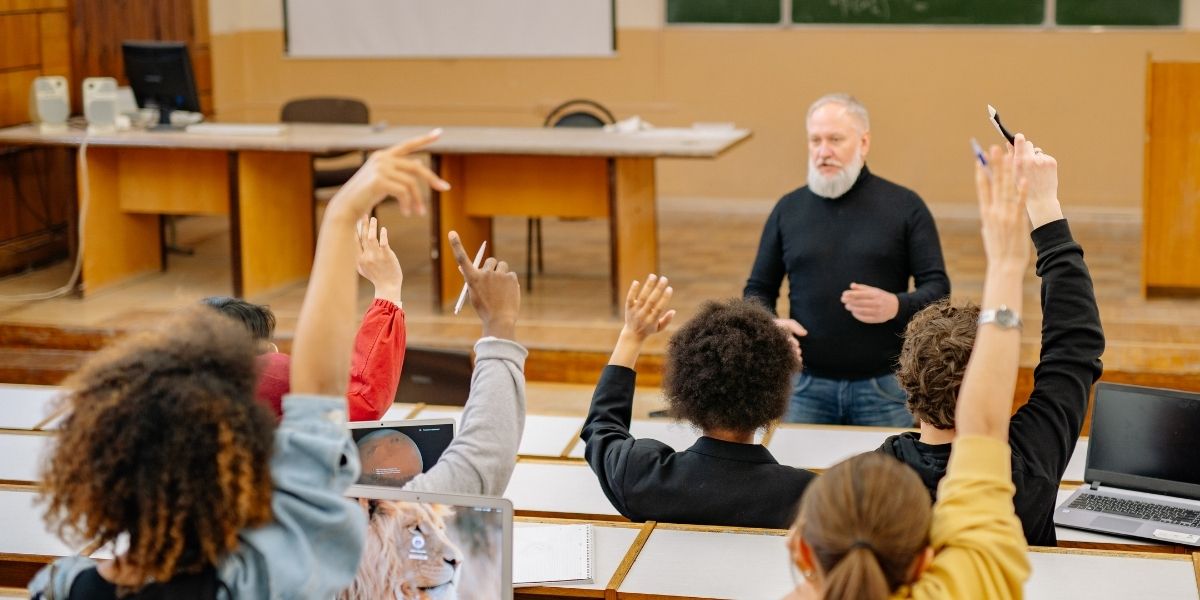
Education is often seen as a safe space where students can grow, learn, and thrive. However, for many students, this environment is not always fair or inclusive. Teacher discrimination against student is a serious issue that continues to impact classrooms worldwide, shaping not only academic outcomes but also students’ emotional well-being and future opportunities.
Research shows that discrimination in schools can take many forms—from subtle biases and microaggressions to overt unfair treatment—and often stems from systemic inequalities and unconscious beliefs. These experiences can deeply affect students’ motivation, performance, and sense of belonging.
At The Black Student Advocate Network, we believe that addressing teacher discrimination is essential for building equitable education systems. In this blog, we will explore the causes, challenges, and actionable solutions to combat this issue and create inclusive classrooms for all learners.
1. What Is Teacher Discrimination Against Students?
Teacher discrimination occurs when educators treat students unfairly based on characteristics such as race, gender, socioeconomic status, religion, or ability. This unequal treatment can be intentional or unintentional, but its impact is always significant.
Discrimination may include:
Ignoring certain students during class discussions
Grading unfairly or setting lower expectations
Making biased comments or assumptions
Providing unequal opportunities for participation
Studies highlight that discrimination can also manifest through exclusion, insults, or unequal evaluation, often targeting students from marginalized groups.
At The Black Student Advocate Network, we emphasize that even subtle behaviors—like consistently calling on certain students while overlooking others—can reinforce inequality and harm student confidence.
2. Root Causes of Teacher Discrimination
Understanding the causes of teacher discrimination against student is the first step toward meaningful change.
a. Implicit Bias
Teachers, like all individuals, may hold unconscious stereotypes that influence their behavior. These biases can affect expectations, grading, and interactions with students.
b. Systemic Inequality
Educational systems often reflect broader societal inequalities. Structural discrimination—such as unequal resources or biased policies—can influence teacher behavior and decision-making.
c. Cultural Misunderstandings
A lack of cultural awareness can lead teachers to misinterpret students’ behavior, communication styles, or learning needs.
d. Socioeconomic and Identity Factors
Research shows that students may face discrimination based on:
Skin color
Gender
Social class
Religious or political beliefs
e. Workplace Stress and Institutional Pressure
Negative work environments, lack of resources, and conflicts among staff can lead to frustration, which may be redirected toward students.
3. Forms of Teacher Discrimination in Classrooms
Teacher discrimination can take both overt and subtle forms, making it difficult to identify and address.
a. Unequal Treatment
Some students receive more attention, encouragement, or opportunities than others.
b. Low Expectations
Teachers may assume certain students are less capable, leading to reduced academic challenges and opportunities.
c. Microaggressions
Small, often unintentional actions or comments can create a hostile environment over time.
d. Biased Grading
Studies have found differences in grading patterns influenced by gender or other biases, highlighting how subjectivity can impact outcomes.
e. Exclusion from Participation
Ignoring students or discouraging their involvement can lead to disengagement and reduced confidence.
At The Black Student Advocate Network, we stress that recognizing these patterns is critical to dismantling them.
4. Impact on Students
The effects of teacher discrimination against student go far beyond the classroom.
a. Academic Consequences
Discrimination can lower academic performance by reducing motivation, attendance, and participation.
b. Psychological Harm
Students who experience discrimination often face:
Anxiety
Low self-esteem
Loss of confidence
Research confirms that negative teacher attitudes can harm students’ psychological health and learning outcomes.
c. Behavioral Changes
Discrimination can lead to withdrawal, aggression, or disengagement from school activities.
d. Long-Term Effects
Students may carry these experiences into adulthood, affecting career choices, educational attainment, and overall life opportunities.
At The Black Student Advocate Network, we advocate for early intervention to prevent these long-term consequences.
5. Challenges in Addressing Teacher Discrimination
Despite growing awareness, tackling discrimination in education remains complex.
a. Lack of Awareness
Many teachers may not recognize their own biases or the impact of their actions.
b. Difficulty in Identifying Discrimination
Discrimination is often subtle and subjective, making it hard to prove or report.
c. Power Imbalance
Students may feel afraid to speak up due to the authority teachers hold.
d. Institutional Barriers
Schools may lack clear policies or reporting systems to address discrimination effectively.
e. Normalization of Bias
In some cases, discriminatory practices become normalized within school culture, making change even more difficult.
At The Black Student Advocate Network, we highlight the importance of transparency and accountability in overcoming these challenges.
Conclusion
Teacher discrimination is not just an educational issue—it is a social justice concern that affects the future of countless students. From implicit biases to systemic inequalities, the causes are complex, but the consequences are clear: reduced academic success, emotional harm, and long-term disadvantages.
Addressing teacher discrimination against student requires awareness, accountability, and action. By equipping educators with the right tools, empowering students, and reforming institutional practices, we can create classrooms where every student feels valued and supported.
At The Black Student Advocate Network, our mission is to advocate for equity, amplify student voices, and drive meaningful change in education. Together, we can transform classrooms into spaces of fairness, respect, and opportunity for all.




Share This Page