
For many children, going to school means learning new subjects, spending time with friends, participating in activities, and preparing for a successful future. However, for students experiencing housing instability, getting to school can become a daily challenge that affects nearly every part of their education.
Imagine waking up before sunrise, traveling across multiple neighborhoods, taking several buses or trains, and arriving at school already exhausted. For children living in homeless shelters or temporary housing, this can become their everyday reality. Instead of focusing entirely on their education, these students must deal with transportation difficulties, disrupted routines, missed instructional time, and the emotional stress of uncertain living arrangements.
These challenges are particularly concerning when combined with other educational inequalities, including violence in American schools, racial discrimination in the classroom, and teacher discrimination against student populations who already experience barriers to academic success.
A September 2026 report published by City Limits highlighted the difficulties faced by New York City families placed in shelters far away from their children’s existing schools. The report described families spending hours commuting across boroughs, disrupting their children’s sleep, education, healthcare access, and relationships with their communities.
According to the reporting, nearly 40% of homeless families with children were initially placed in shelters outside the borough where their children attended school. Some students faced lengthy journeys involving ferries, subway transfers, buses, and walking.
These circumstances raise an important question: How can students succeed academically when the systems surrounding their education make simply attending school so difficult?
For Black families, these concerns deserve particular attention. Housing instability, unequal educational opportunities, racial bias, and inadequate school support can overlap, making it harder for students to receive the education and protection they deserve.
At The Black Student Advocate, the mission is to empower Black families and school employees by promoting student rights, addressing discrimination, reducing bullying, and encouraging fair treatment within K-12 school districts.
1. How Housing Instability Creates Educational Barriers for Students
A stable educational environment plays an important role in a child’s academic and personal development. Students benefit from consistent classroom routines, familiar teachers, supportive friendships, and access to educational resources.
Unfortunately, housing instability can interrupt these important connections.
When families experience homelessness, eviction, or temporary housing arrangements, children may have to travel significantly farther to attend their original schools. Even when families want to maintain educational consistency, transportation difficulties can make that decision challenging.
The Hidden Impact of Long School Commutes
Long commutes can create several problems for students, including:
Chronic tiredness: Waking up extremely early and spending hours traveling can reduce the time available for sleep and recovery.
Missed classroom instruction: Transportation delays may cause students to arrive late or miss entire school days.
Reduced academic concentration: Students who are physically and emotionally exhausted may struggle to focus on lessons.
Limited extracurricular participation: Long travel times can prevent children from participating in sports, clubs, tutoring, and other school activities.
Social isolation: Students may lose regular contact with friends, classmates, and familiar community members.
Interrupted support services: Moving farther away can complicate access to counselors, healthcare providers, special education professionals, and other important resources.
The City Limits report illustrates how these challenges affect entire families. Parents may need to coordinate school transportation, employment, childcare, and medical appointments across different neighborhoods.
For children, this instability can make school feel like another source of stress rather than a dependable place for learning and development.
Why Educational Stability Matters
Changing schools is not simply a matter of receiving a new class schedule.
Students must adjust to different teachers, classroom expectations, peer relationships, academic requirements, and support systems. Children who have already experienced housing instability may find these transitions especially difficult.
Maintaining connections with a familiar school can provide a sense of consistency during uncertain circumstances.
This is why educational decision-making should consider the individual needs of students rather than focusing exclusively on transportation convenience or administrative arrangements.
2. Understanding Student Rights Under the McKinney-Vento Act
Families experiencing homelessness should understand that federal law provides important educational protections for eligible children and youth.
The McKinney-Vento Homeless Assistance Act includes provisions designed to remove educational barriers for students who lack a fixed, regular, and adequate nighttime residence.
This legislation recognizes that housing instability should not prevent children from accessing public education.
Important Educational Protections
Eligible students experiencing homelessness may have rights that include:
Immediate School Enrollment
Schools generally must immediately enroll eligible students even when they lack documents that are normally required for enrollment, such as proof of residency, school records, or immunization records.
School of Origin
Students may have the right to continue attending their school of origin when it is determined to be in their best interest.
The school of origin generally means the school the student attended when permanently housed or the school in which the student was last enrolled.
Transportation Assistance
Eligible students may receive transportation to and from their school of origin when requested and when applicable under the law.
Access to Educational Services
Students experiencing homelessness should have access to educational opportunities comparable to those available to other students.
Dispute Resolution
If disagreements arise regarding school selection or enrollment, families have access to procedures for resolving those disputes. Eligible students generally must remain enrolled in the school selected by the parent, guardian, or youth while the dispute is being resolved.
These protections are especially important for families placed in shelters far away from their children’s existing schools.
Parents should contact their school district’s designated homeless education liaison to understand the services available in their circumstances.
Understanding these rights can help families make informed decisions and avoid unnecessary educational disruptions.
3. Why Violence in American Schools Remains a Serious Concern
Transportation and housing instability are not the only challenges affecting students. School safety is another major concern that influences attendance, academic performance, and emotional well-being.
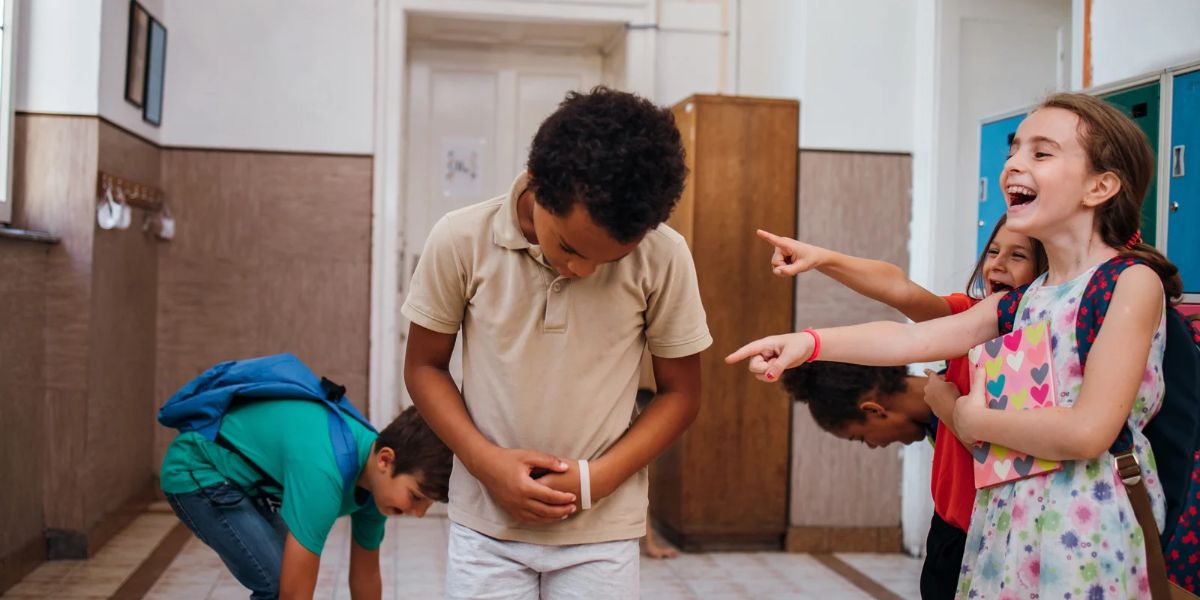
Violence in American schools can take many forms, including physical fights, bullying, cyberbullying, threats, harassment, and weapon-related incidents.
Students who experience unsafe environments may become afraid of attending school, participating in classroom activities, or interacting with classmates.
According to the CDC’s 2023 Youth Risk Behavior Survey findings, the percentage of high school students who reported being bullied at school increased from 15% in 2021 to 19% in 2023. The percentage of students threatened or injured with a weapon at school increased from 7% to 9% during the same period.
These findings demonstrate why school safety must remain a priority for educators, parents, and administrators.
How School Violence Affects Students
Violence can create consequences that extend far beyond the immediate incident.
Students may experience:
Fear and anxiety about attending school.
Difficulty concentrating during classroom activities.
Declining grades and academic motivation.
Social withdrawal and isolation.
Emotional distress and reduced confidence.
Increased absenteeism.
Difficulty trusting teachers and school administrators.
For students who already experience unstable housing, these additional pressures can make their educational experiences even more difficult.
A student who spends hours commuting to school should not also have to worry about being bullied, threatened, or physically harmed after arriving.
What Schools Can Do to Improve Student Safety
Creating safer schools requires more than disciplinary policies.
Educational institutions should establish effective prevention and intervention strategies, including:
Clear anti-bullying policies.
Reliable reporting systems for students and parents.
Appropriate investigations of reported incidents.
Access to school counselors and mental health professionals.
Staff training on conflict prevention and student protection.
Supportive relationships between teachers and students.
Appropriate intervention when students experience threats or violence.
Students should feel comfortable reporting concerns without worrying that their complaints will be ignored or that they will experience retaliation.
4. Addressing Racial Discrimination in the Classroom
Every student deserves equal respect and access to educational opportunities, regardless of race, ethnicity, background, or financial circumstances.
However, racial discrimination can interfere with these principles and create an environment where students feel unwelcome or unfairly treated.
Racial discrimination in the classroom may involve racial slurs, negative stereotypes, unequal disciplinary treatment, exclusion from educational activities, or assumptions about a student’s abilities based on their identity.
For Black students, these experiences can affect confidence, classroom participation, academic motivation, and relationships with educators.
Common Examples of Classroom Racial Discrimination
Racial discrimination is not always expressed through obvious or direct statements.
Sometimes, it appears through repeated patterns of unequal treatment.
Examples may include:
Applying different classroom rules to students from different racial backgrounds.
Making inappropriate comments about a student’s hair, appearance, or cultural identity.
Assuming that Black students are naturally more aggressive or disruptive.
Giving students unequal opportunities to participate in advanced academic activities.
Ignoring complaints about racial bullying or harassment.
Treating similar student behavior differently depending on the student’s race.
Failing to address racial stereotypes expressed by classmates.
These situations deserve attention because students should never feel that their race determines how teachers or school administrators treat them.
What Does Federal Law Say About Racial Discrimination?
Title VI of the Civil Rights Act of 1964 prohibits discrimination based on race, color, or national origin in programs and activities receiving federal financial assistance.
Its protections apply to covered public elementary and secondary schools and extend to various aspects of education, including classroom activities, student services, counseling, discipline, and access to educational opportunities.
Schools that receive federal financial assistance have responsibilities to address qualifying racial harassment that creates a hostile educational environment.
Parents who believe their children have experienced racial discrimination should document incidents, communicate their concerns to school officials, and explore appropriate complaint procedures.
The objective should be to ensure that every student receives fair treatment and an equal opportunity to succeed.
5. Recognizing Teacher Discrimination Against Students
Teachers have an important influence on a child’s educational experience.
They help students develop academic skills, build confidence, understand classroom expectations, and establish positive relationships with others.
However, when an educator allows personal bias or stereotypes to influence professional decisions, students may experience unfair treatment.
Teacher discrimination against student populations can affect classroom participation, academic opportunities, disciplinary decisions, and a child’s sense of belonging.
For Black students, identifying and addressing these patterns is particularly important.
Warning Signs Parents Should Recognize
Parents should pay attention to repeated situations that may indicate unfair classroom treatment.
Some warning signs include:
Unequal Disciplinary Treatment
A teacher may repeatedly punish one student for behavior that other students engage in without receiving similar consequences.
Negative Racial Stereotypes
An educator may make inappropriate assumptions about a student’s behavior, intelligence, attitude, or abilities based on race.
Unequal Academic Expectations
A student may receive fewer opportunities, less encouragement, or limited access to advanced learning activities despite demonstrating the necessary academic abilities.
Ignoring Student Complaints
Repeatedly dismissing concerns about bullying, harassment, or inappropriate classroom conduct can leave students feeling unsupported.
Unfair Classroom Participation
Some students may be consistently overlooked, interrupted, or discouraged from contributing to discussions.
Unjustified Negative Treatment
A teacher may repeatedly communicate with a student in a disrespectful or unnecessarily hostile manner.
One isolated disagreement does not automatically establish discrimination. However, repeated patterns, inconsistent explanations, and documented differences in treatment may justify further investigation.
How Parents Can Respond
When parents suspect discrimination, they should consider taking a structured approach.
Speak with the student to understand what happened.
Record dates, locations, names, and descriptions of specific incidents.
Save emails, messages, disciplinary notices, and other relevant records.
Request a meeting with the teacher or school administration.
Ask how the school will investigate and address the concern.
Follow up in writing to maintain a clear record.
Seek appropriate advocacy or legal assistance if the issue remains unresolved.
Parents should not feel pressured to accept unfair treatment simply because the person involved is an educator.
Teachers and school administrators have responsibilities to maintain respectful, nondiscriminatory educational environments.
6. How Housing Instability, Discrimination, and School Safety Can Overlap
Educational challenges rarely exist independently.
A student experiencing homelessness may already be dealing with uncertainty, financial difficulties, family stress, and changes in daily routines.
If that student also encounters racial discrimination, bullying, or violence at school, the combined effects can become overwhelming.
Consider a student who has recently moved into a temporary shelter far from their original neighborhood.
The student now wakes up earlier, spends additional time commuting, and has fewer opportunities to interact with familiar friends. After arriving at school, the student experiences negative comments from classmates and feels that teachers are not taking the situation seriously.
Over time, the student may begin avoiding school, participating less in class, or falling behind academically.
This example demonstrates how multiple challenges can affect educational stability.
Why Schools Need a Comprehensive Approach
Schools should consider the broader circumstances affecting students instead of viewing each issue as an isolated problem.
A comprehensive approach may include:
Identifying students who need additional transportation assistance.
Connecting eligible families with homeless education liaisons.
Providing counseling and mental health resources.
Investigating reports of racial harassment and bullying.
Reviewing disciplinary practices for patterns of unequal treatment.
Providing appropriate academic support.
Maintaining communication with parents and guardians.
Coordinating special education and other student support services.
The goal should be to remove barriers that prevent students from participating fully in their education.
Students experiencing difficult circumstances should receive additional understanding and appropriate support, not fewer educational opportunities.
7. How Parents Can Advocate for Fair and Equal Educational Opportunities
Parents and guardians play a critical role in protecting their children’s educational interests.
However, navigating school district procedures can be difficult, particularly when families are dealing with discrimination, bullying, disciplinary matters, or inadequate school support.
Effective advocacy begins with understanding the student’s situation and identifying the appropriate steps to address it.
Practical Advocacy Steps for Families
Understand Your Child’s Rights
Learn about applicable educational protections, including the McKinney-Vento Act, Title VI, IDEA, and Section 504 when relevant to your child’s circumstances.
Maintain Documentation
Keep copies of school correspondence, transportation concerns, attendance records, disciplinary notices, and reports of discrimination or bullying.
Participate in School Meetings
Parents should take an active role in discussions involving student safety, educational progress, disciplinary decisions, and special education services.
Ask Specific Questions
Request clear explanations about how the school intends to address the problem and what support will be provided.
Request Appropriate Accommodations
If a student has a qualifying disability, parents can ask about evaluations, IEP services, or Section 504 accommodations as appropriate.
Seek Professional Advocacy Support
When a school district does not adequately address concerns, families may benefit from assistance from an experienced student advocate or qualified legal professional.
Parents should remember that advocating for a child is not about creating unnecessary conflict with educators. It is about ensuring that the student receives fair treatment, appropriate support, and meaningful educational opportunities.
8. How The Black Student Advocate Supports Black Families and Students
When families experience educational challenges, having someone who understands school systems and student advocacy can make a meaningful difference.
The Black Student Advocate Network is dedicated to supporting Black families and school employees who face unfair treatment within K-12 school districts.
Its mission focuses on helping families understand student rights, addressing bullying, increasing parent involvement, and holding school districts accountable for fair and equitable treatment.
Advocacy Services Available Through The Black Student Advocate
Bullying Incident Advocacy
Families dealing with bullying concerns can explore advocacy support to better understand how to document incidents, communicate with school officials, and seek appropriate intervention.
IEP and 504 Meeting Support
Parents navigating special education meetings may need assistance understanding their child’s educational needs and advocating for appropriate services and accommodations.
Expulsion Hearing Support
When students face serious disciplinary action, families may need assistance understanding school procedures and preparing to address their concerns.
School Meeting Advocacy
Parents can receive support when communicating with school administrators about student needs, educational barriers, and concerns involving unfair treatment.
Parent Education and Student Rights
Understanding educational rights helps parents make informed decisions and participate more confidently in discussions involving their children.
Support for Black School Employees
The organization also advocates for Black school employees who experience workplace discrimination or unfair treatment within K-12 educational environments.
These initiatives reflect the organization’s commitment to empowering families and promoting more inclusive, respectful, and equitable educational experiences.
Families can learn more about available advocacy services by visiting:
https://theblackstudentadvocatenetwork.com/
Conclusion
Every child deserves access to a safe, stable, and supportive educational environment. However, for students experiencing homelessness, getting to school can involve significant transportation challenges, disrupted routines, and emotional stress.
These difficulties become even more concerning when students also experience violence in American schools, racial discrimination in the classroom, or teacher discrimination against student populations.
Educational inequality cannot be addressed through academic policies alone. Schools must also recognize the circumstances affecting students outside the classroom and take meaningful steps to ensure that every child has an opportunity to succeed.
Federal protections such as the McKinney-Vento Act and Title VI provide important safeguards for eligible students and families. Understanding these protections can help parents advocate for appropriate educational support and challenge unfair treatment.
Most importantly, families should not have to navigate complicated school district procedures without assistance.
The Black Student Advocate remains committed to empowering Black families and school employees, promoting student rights, reducing bullying, and advocating for fair treatment throughout K-12 education.


Share This Page