
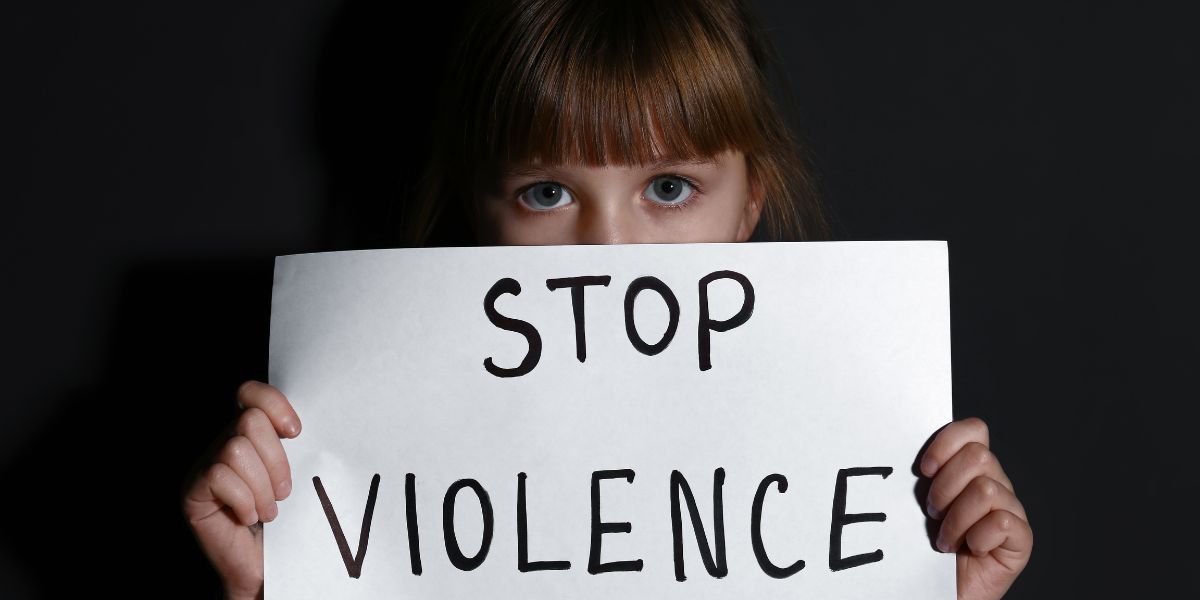
Violence in schools remains one of the most pressing challenges facing students, educators, and parents today. Whether it’s physical fights, bullying (in-person or digital), threats with weapons, or interpersonal conflicts that escalate beyond words, school violence disrupts learning and threatens the emotional and physical safety of students and staff. Schools should be safe spaces for growth, learning, and community—but without intentional prevention strategies, fear and harm can become pervasive. According to global analyses, up to half of all children experience some form of violence in their lives, and schools have a unique role in stopping this before it begins.
Violence fundamentally undermines student achievement, creates environments of mistrust, and perpetuates cycles of trauma that impact young people well beyond their school years. To truly address this, educators and parents alike must understand not just what violence looks like, but how to stop it in its tracks. The following six practical, evidence-informed approaches provide a roadmap to a safer, more supportive school culture—one where every child is respected, protected, and empowered.
Build a School Culture Rooted in Respect and Belonging
A central piece in preventing violence in schools is creating a positive, inclusive culture where students feel seen, heard, and supported. Research and expert prevention guides show that schools with strong cultures of mutual respect have lower levels of disruptive and violent behavior because students develop trust in peers and adults alike.
What this looks like in practice:
Shared norms around respect and non-violence: Schools should co-create behavioral expectations with students, staff, and families so that everyone understands what healthy interactions look like and why they matter.
Recognition of positive behavior: Celebrate everyday kindness, conflict resolution, and acts of leadership. Public acknowledgment reinforces values that counteract violence.
Welcoming school environment: From classroom tone to communal spaces, every interaction should signal to students that they belong and are valued.
A culture of belonging helps students feel connected to their school and less likely to engage in behavior that harms others. This foundation makes all other prevention efforts more effective.
Teach Social-Emotional Skills and Healthy Conflict Resolution
Violence often stems from students lacking the emotional tools to manage anger, frustration, or interpersonal disagreements. Schools that embed social-emotional learning (SEL) into their curricula help students navigate emotions, communicate effectively, and resolve conflict without resorting to aggression.
Key strategies include:
SEL programs integrated into daily routines: Lessons on empathy, impulse control, active listening, and respect for others help students build the skills they need for lifelong relationship success.
Conflict resolution workshops: Teach students how to identify underlying issues, express needs without blame, and collaborate on solutions.
Peer mediation: Trained student mediators can help classmates work through disputes before they escalate.
When students are equipped with healthy coping and communication skills, violent responses become less likely—replaced by thoughtful problem-solving and mutual understanding.
Strengthen Communication and Parent-School Partnerships
arents are not just caregivers at home—they’re essential partners in preventing school violence. Open communication between parents and educators helps identify early warning signs of trouble, such as sudden changes in behavior, social withdrawal, or emotional distress in students.
Actions parents and schools can take:
Regular family-school dialogue: Keep lines of communication open so parents can share concerns about their child’s behaviour and receive updates from teachers.
Clear expectations at home: Reinforce respect, responsibility, and peaceful conflict resolution at home so children carry these values into school.
Involvement in school safety initiatives: Encourage parents to join or support PTA safety efforts, violence prevention coalitions, and community forums.
When parents and educators work together, there’s a stronger safety net for students, and concerning patterns are more likely to be noticed and addressed early.
Establish Clear Policies and Reporting Mechanisms
Schools must have well-defined policies that outline what constitutes unacceptable behavior and clear consequences for violations. Students and staff should know that violence is taken seriously—and that there are trustworthy, safe ways to report concerns.
Effective policy practices:
Comprehensive code of conduct: This should define behavior expectations, specify consequences, and be widely shared with students, families, and staff.
Anonymous reporting channels: Some students fear retaliation; anonymous tip lines, secure digital forms, or suggestion boxes help ensure threats are reported early.
Teach reporting as responsibility: Encourage students to see reporting not as tattling but as protecting their school community.
With clear policies and accessible reporting, schools create an environment where violence is less likely to go unnoticed or unaddressed.
Prioritize Mental Health Support and Intervention
Mental health plays a major role in school violence. Many students who exhibit aggressive or disruptive behavior are struggling with emotional distress, trauma, or unmet needs. Providing robust mental health resources can interrupt the path toward violent incidents.
Steps to increase support:
On-site professionals: Counselors, psychologists, and social workers can identify struggling students and connect them with appropriate support.
Early intervention initiatives: Programs that spot early warning signs allow for support before issues escalate.
Peer support groups: Students trained to listen and help classmates can foster empathy and reduce isolati
on.
By addressing underlying mental health needs, schools reduce the likelihood that emotional turmoil will manifest as violence.
Conclusion
Stopping violence in schools isn’t a single action or quick fix—it requires a holistic, community-centered approach involving educators, parents, students, and support professionals. From fostering respectful school cultures and teaching emotional skills to strengthening communication, clear policies, and mental health support, each step contributes to a safer, more supportive environment for every student.
The Black Student Advocate Network believes that every child has the right to learn without fear and to grow in spaces where their dignity is protected. By implementing these practical strategies, schools make a bold statement: violence will not define our classrooms—but empathy, safety, and belonging will.



Share This Page