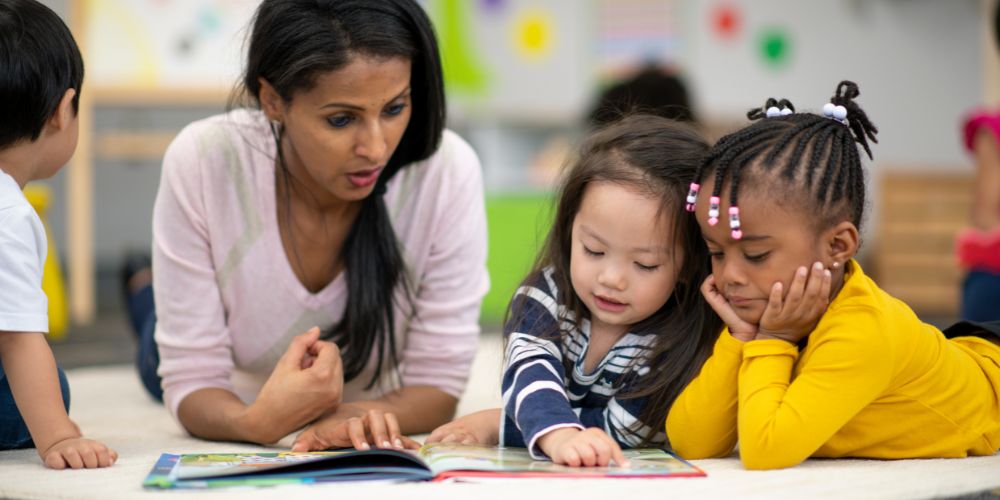
Every student deserves to learn in an environment where they are respected, supported, and treated fairly. Schools are meant to provide opportunities for students to develop their skills, discover their strengths, and prepare for their future. However, discrimination and bias can interfere with that experience.
Teachers discriminating against students can take many forms. Sometimes discrimination is direct and easy to recognize. In other situations, it may appear through lower expectations, unequal discipline, classroom favoritism, stereotypes, or differences in the attention students receive.
When these patterns continue, students may feel excluded or discouraged from participating in their education. The effects can extend beyond grades and influence confidence, relationships, motivation, and a student’s overall connection with school.
At The Black Student Advocate Network, we believe that recognizing educational inequities is an important part of creating meaningful change. Understanding what teacher discrimination looks like, how it affects students, and what schools and communities can do about it can help create more inclusive learning environments.
What Does Teacher Discrimination Against Students Mean?
Teacher discrimination occurs when an educator treats a student differently or unfairly because of characteristics such as race, ethnicity, gender, socioeconomic background, disability, language, culture, or another personal characteristic.
Not every difference in treatment automatically represents discrimination. Teachers may respond differently to students because of individual academic needs, behavior, or circumstances. The concern arises when unfair treatment is connected to bias or stereotypes and creates unequal opportunities or outcomes.
Common Causes of Teacher Bias
Several factors can contribute to biased treatment in educational settings.
Implicit Bias
Implicit bias involves unconscious attitudes or assumptions that can influence how someone interprets another person’s behavior or abilities. A teacher may not intentionally discriminate but may still respond differently to certain students because of deeply learned stereotypes.
Cultural Misunderstandings
Students come from many different cultural and family backgrounds. Without cultural awareness, educators may misunderstand communication styles, traditions, behaviors, or family involvement.
Stereotypes and Assumptions
Assuming that a student is less capable, less motivated, or more disruptive because of their identity can affect classroom interactions and academic opportunities.
Institutional Inequities
Discrimination can also be connected to broader school policies and practices. Discipline systems, access to advanced courses, resource distribution, and other structures can sometimes create unequal experiences for different groups of students.
Types of Teachers Discriminating Against Students
Discrimination does not always look the same. Understanding its different forms can help parents, students, educators, and advocates recognize potentially unfair patterns.
Racial and Ethnic Discrimination
Racial discrimination can occur when students are stereotyped, disciplined differently, overlooked, or held to different expectations because of their race or ethnicity.
For Black students and other students of color, experiences with racial bias can affect how comfortable they feel participating in school. Concerns may include differences in disciplinary treatment, assumptions about academic ability, or limited representation within classroom materials.
Schools should examine disciplinary and academic patterns carefully rather than assuming that differences are simply the result of student behavior or ability.
Gender-Based Discrimination
Gender stereotypes can influence how teachers interact with students.
For example, students may receive different messages about appropriate behavior, leadership, academic subjects, or career interests based on gender. Girls may encounter assumptions about their abilities in STEM subjects, while boys may face expectations about how they should behave or express themselves.
Creating a fair classroom means allowing students to explore their interests and abilities without being limited by stereotypes.
Socioeconomic Discrimination
A student’s family income should not determine how capable a teacher believes that student can be.
Students from lower-income households may sometimes be viewed through assumptions about their home life, access to resources, motivation, or parental support. These assumptions can result in lower expectations or fewer opportunities.
Teachers can help address this issue by focusing on individual student strengths and providing appropriate academic support rather than making assumptions based on family circumstances.
Disability-Based Discrimination
Students with disabilities or learning differences may experience discrimination when educators underestimate their abilities or fail to provide appropriate accommodations.
Inclusive education requires schools to recognize that students learn in different ways. Appropriate support should help students participate meaningfully in the classroom while maintaining reasonable academic expectations.
Language and Cultural Discrimination
Students who speak another language at home or are developing English-language skills may face unfair assumptions about their intelligence.
Difficulty communicating in a second language does not mean a student lacks knowledge or academic potential. Teachers can create more inclusive classrooms by recognizing multilingualism as part of a student’s background and providing appropriate language support.
Favoritism in the Classroom
Favoritism may occur when teachers consistently provide more attention, encouragement, flexibility, or opportunities to certain students.
While teachers naturally develop different relationships with individual students, repeated patterns of preferential treatment can create an unfair classroom environment.
How Discrimination Can Affect Students
The impact of discrimination can reach far beyond a single classroom interaction. When students repeatedly experience unfair treatment, it can influence their academic experience and their relationship with school.
Lower Academic Engagement
Students are more likely to participate when they believe their teachers value their contributions.
If students feel ignored, stereotyped, or unfairly criticized, they may participate less in discussions, avoid asking questions, or lose interest in schoolwork.
Reduced Confidence
Repeated negative treatment can affect how students view themselves.
A student who constantly receives lower expectations or criticism may begin to question their own abilities. Over time, this can influence academic motivation and willingness to pursue challenging opportunities.
Increased Stress
Experiencing unfair treatment can make school feel uncomfortable or unpredictable.
Students may become concerned about being singled out, misunderstood, or disciplined. Persistent stress can interfere with concentration and engagement.
Disproportionate Discipline
Differences in disciplinary practices deserve careful attention.
If particular groups of students are repeatedly disciplined more frequently or severely, schools should examine the underlying patterns and determine whether policies or practices are being applied consistently.
Damaged Relationships With Teachers
Trust is an important part of education.
Students may find it difficult to seek help from educators when they believe those educators treat them unfairly. A breakdown in trust can make it harder for teachers and students to work together effectively.
Reduced Trust in Schools
When students repeatedly experience discrimination without meaningful intervention, they may begin to question whether their school is committed to fairness.
This can influence their sense of belonging and their willingness to engage with school programs and leadership.
Signs That a Student May Be Experiencing Discrimination
Identifying discrimination requires looking at patterns rather than relying on a single incident.
Unequal Disciplinary Treatment
One potential warning sign is when students who engage in similar behaviors appear to receive significantly different consequences.
Schools can review disciplinary records by student demographics and type of behavior to identify patterns that deserve further investigation.
Different Academic Expectations
Teachers may unintentionally communicate different expectations to different students.
For example, some students may regularly be encouraged to enroll in advanced courses while others are steered away from challenging opportunities without a clear academic reason.
Differences in Classroom Attention
Another potential sign is a consistent difference in who receives encouragement, feedback, questions, or opportunities to participate.
A single missed opportunity may simply be accidental. Repeated patterns are more important to examine.
Unequal Feedback or Grading
Students and parents may notice differences in the type or quality of feedback students receive.
Schools should use clear academic standards and transparent grading practices to reduce the possibility of favoritism or inconsistent evaluation.
Stereotyping or Hurtful Comments
Comments based on race, gender, disability, culture, socioeconomic status, or language can create an exclusionary classroom environment.
Students should have appropriate channels for reporting concerns without fear of retaliation.
What Schools Can Do to Address Teacher Discrimination
Preventing discrimination requires more than telling students to speak up. Schools need systems that promote accountability, consistency, and inclusion.
Provide Bias and Cultural Awareness Training
Professional development can help educators recognize how assumptions and stereotypes may affect classroom decisions.
Training should be ongoing and connected to real classroom situations rather than treated as a one-time activity.
Establish Clear Discipline Standards
Schools should have clear disciplinary expectations that are communicated to students, families, and staff.
Consistent procedures can help reduce unnecessary differences in how similar situations are handled.
Use Data to Identify Patterns
Schools can examine data related to discipline, academic placement, course enrollment, participation, and other outcomes.
Looking at information across student groups can help administrators identify patterns that may require additional review.
Encourage Culturally Responsive Teaching
Teachers can make classrooms more inclusive by incorporating diverse perspectives, histories, authors, experiences, and examples into their lessons.
Students are more likely to feel represented when classroom content acknowledges the diversity of the school community.
Create Safe Reporting Channels
Students and families need clear ways to raise concerns about potential discrimination.
Schools should explain who students can contact, how complaints are reviewed, and what protections are available against retaliation.
Strengthen Parent and Community Engagement
Families and community organizations can provide valuable perspectives on students’ experiences.
Regular communication between schools, families, and community advocates can help identify concerns and encourage collaborative solutions.
How Parents and Students Can Respond to Discrimination
When a student believes they are being treated unfairly, documenting concerns can be helpful.
Keep Records of Incidents
Students and parents can record dates, locations, people involved, what occurred, and any witnesses. Written records can help establish whether an isolated incident is part of a larger pattern.
Review School Policies
Understanding the school’s student handbook, disciplinary policies, complaint procedures, and relevant education requirements can help families determine what steps are available.
Communicate With School Staff
In some situations, discussing the concern with a teacher, counselor, administrator, or other appropriate staff member may help resolve a misunderstanding or identify a solution.
Seek Student Advocacy Support
When concerns remain unresolved, student advocacy organizations can help families understand their options and communicate their concerns.
Organizations such as The Black Student Advocate Network work to bring attention to issues affecting students and encourage greater accountability and fairness within education.
Creating More Equitable Classrooms
Reducing discrimination requires long-term commitment from educators, administrators, families, students, and communities.
Build Inclusive Learning Environments
Students should have opportunities to learn in classrooms where different backgrounds and perspectives are respected.
Inclusive classrooms do more than celebrate diversity. They create an environment where students can participate without feeling that stereotypes define their abilities.
Improve Teacher Representation
A diverse teaching workforce can provide students with a broader range of experiences and perspectives.
Schools can consider recruitment, retention, mentoring, and leadership opportunities as part of broader efforts to build inclusive educational communities.
Review Curriculum and Learning Materials
Classroom materials should provide students with opportunities to learn about different communities and perspectives.
Reviewing textbooks, examples, reading lists, and classroom activities can help schools identify gaps in representation.
Give Students a Voice
Students are directly affected by school policies and classroom practices, so their experiences should be taken seriously.
Student surveys, advisory groups, listening sessions, and other feedback systems can provide schools with useful information about how students experience their learning environments.
Hold Institutions Accountable
Creating equitable schools requires measurable goals and ongoing evaluation.
Administrators can monitor disciplinary patterns, academic opportunities, student feedback, and other relevant information to determine whether efforts are producing meaningful improvements.
Moving Toward Fairness and Student Advocacy
The issue of teachers discriminating against students deserves thoughtful attention because every student’s educational experience matters.
Discrimination may appear through racial or ethnic bias, gender stereotypes, socioeconomic assumptions, disability-related barriers, language bias, favoritism, or unequal expectations. Recognizing these patterns is an important first step, but meaningful progress also requires action.
Schools can support fairness by training educators, reviewing policies, examining data, encouraging student participation, strengthening family engagement, and creating reliable systems for addressing concerns.
Students should not have to feel that their identity determines how much support, respect, or opportunity they receive. A strong educational environment should give every student the opportunity to learn, participate, and develop their potential.
Conclusion
Teachers discriminating against students can have serious consequences for classroom relationships, academic engagement, confidence, and students’ sense of belonging. Whether discrimination is intentional or results from unconscious bias, patterns of unequal treatment should be recognized and addressed.
Creating fair classrooms requires everyone to play a role. Educators can examine their practices, administrators can strengthen accountability, families can advocate for their children, and students can use appropriate channels to share their experiences.
At The Black Student Advocate Network, we believe student voices deserve to be heard. By recognizing discrimination, encouraging open dialogue, and supporting meaningful advocacy, schools and communities can work toward learning environments where students are respected, included, and given equitable opportunities to succeed.




Share This Page