
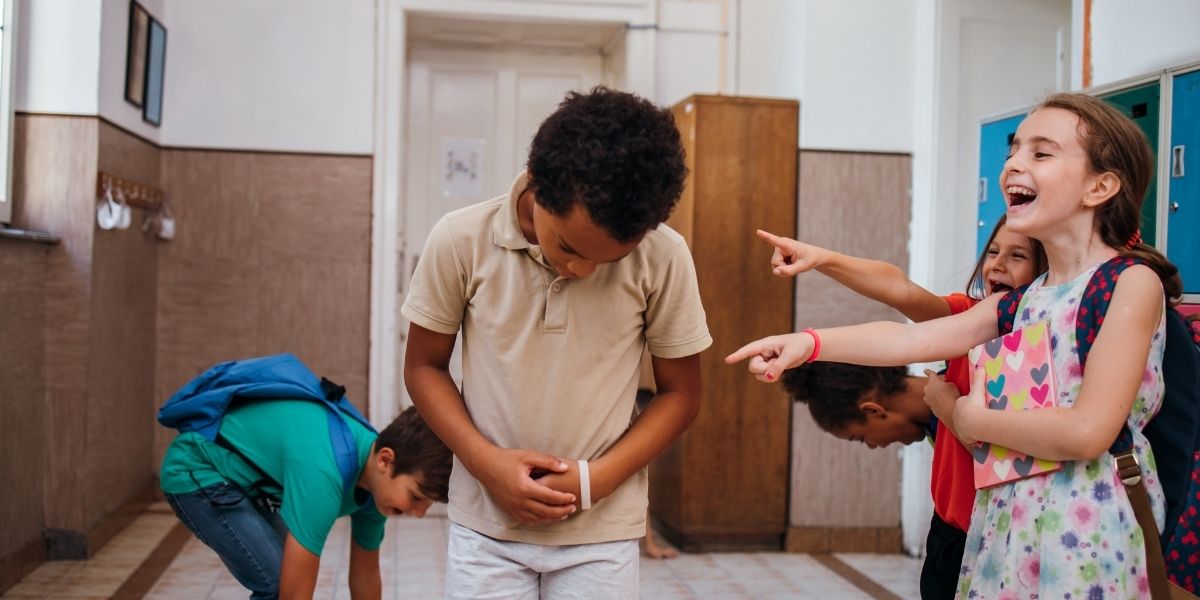
Violence in schools has become one of the most urgent and complex challenges facing today’s education system. From bullying to physical altercations, cyber harassment to gang-related incidents, the increase in school-based violence impacts not only the safety of students but also their emotional development, academic success, and long-term well-being. While many conversations focus on the visible symptoms — fights, threats, or disruptions — fewer discussions dive deeply into why these behaviors occur in the first place.
To create lasting change, we must understand the root causes of violence in schools and address them with evidence-based, student-centered solutions. As an organization deeply committed to educational equity and student protection, The Black Student Advocate Network believes that creating safer learning environments starts with awareness, empathy, and systemic action. School violence is not a single-issue phenomenon — it is shaped by social pressures, emotional struggles, family dynamics, environmental stressors, and institutional failures.
In this blog, we break down the factors that contribute to violence in schools and explore meaningful solutions that educators, parents, and communities can implement to reduce harm and promote healing.
1. Social and Environmental Influences: The Hidden Pressures Students Carry
Students do not walk into the classroom as blank slates — they arrive with emotional experiences shaped by their homes, communities, and social environments.
According to trends in education research, several external pressures increase the likelihood of violent behavior in schools:
1.1 Family Instability and Conflict
Children who experience domestic violence, inconsistent discipline, or emotional neglect may internalize fear, stress, or aggression. When these students cannot express their emotions in healthy ways, conflict becomes a coping mechanism.
A home environment where conflict is normalized often leads to misbehavior, emotional distress, and a heightened risk of violent outbursts.
1.2 Community Violence and Neighborhood Safety Issues
Exposure to community violence can desensitize students to aggression or teach them that violence is a necessary form of protection.
Students from neighborhoods with high crime rates may adopt hyper-vigilance, anxiety, or defensive behaviors that appear aggressive at school.
1.3 Peer Pressure and Social Hierarchies
In many schools, social standing is tied to power. Students may use intimidation, threats, or physical force to maintain status or avoid becoming targets themselves.
Peer approval can fuel bullying, group fights, or risky behavior — especially when school climates lack strong supervision or emotional support.
How The Black Student Advocate Network Responds:
We advocate for trauma-informed school models that recognize environmental stress and provide counseling, mentorship, and restorative practices to reduce aggressive behavior.
2. Mental Health Challenges: The Internal Battles Students Face
Mental and emotional well-being is a major factor in understanding violence in schools. Many students struggle with anxiety, depression, behavioral disorders, or untreated trauma — all of which can increase the likelihood of conflict.
2.1 Unaddressed Trauma
Students who have experienced loss, violence, discrimination, or instability may outwardly display anger, impulsivity, or withdrawal.
When trauma goes untreated, students may lash out at peers or educators as a way of expressing inner pain.
2.2 Stress and Emotional Overload
Academic pressure, social comparisons, and personal struggles can overwhelm students. Without coping skills, arguments and conflicts escalate quickly.
2.3 Lack of Mental Health Resources
Many schools lack mental health professionals, leaving students’ emotional needs unmet. When counselors are overloaded, early warning signs go unnoticed.
How The Black Student Advocate Network Responds:
We push for equitable access to mental health services across schools, emphasizing culturally respectful support for marginalized student groups.
3. Bullying, Discrimination, and Identity-Based Aggression
Violence in schools does not always involve physical altercations — verbal, emotional, and psychological violence can be just as damaging.
Students who face racism, colorism, homophobia, ableism, or gender-based harassment often develop deep emotional wounds that can manifest as self-harm, fear, or retaliation.
3.1 Bullying as a Major Trigger for School Violence
Whether traditional bullying or cyberbullying, targeted harassment can escalate into physical confrontations, mental health crises, or long-term trauma.
3.2 Racial and Cultural Discrimination
Students of color, especially Black students, often endure microaggressions, biased discipline, or social exclusion.
These experiences can contribute to anger, resentment, or defensiveness — and may even shape how conflicts unfold.
3.3 Identity-Based Violence
Students marginalized due to sexuality, disability, language, or religion face heightened risks of victimization and emotional distress.
How The Black Student Advocate Network Responds:
We fight for inclusive school cultures, anti-racism policies, and fair discipline practices that protect the well-being of every student.
4. School Climate and Policies: When Systems Fail Students
A school’s environment — its rules, values, leadership, and culture — deeply influences student behavior. Poor school climate is one of the strongest contributors to violence in schools.
4.1 Inconsistent Discipline Practices
When rules are unclear, unfairly enforced, or biased, students lose trust in the institution.
This can lead to defiance, disengagement, and escalating conflict.
4.2 Lack of Teacher Training on Conflict Prevention
Many educators are not trained to identify early signs of aggression, de-escalate conflict, or implement restorative practices.
4.3 Overcrowded Classrooms and Understaffed Schools
High student-to-teacher ratios reduce supervision and make it difficult to monitor behavior or intervene early.
4.4 Failure to Create a Safe Emotional Environment
Schools that prioritize test scores over emotional safety often overlook students’ social needs — leaving them unsupported and vulnerable.
How The Black Student Advocate Network Responds:
We collaborate with schools to develop equity-focused policies, cultural competency training, and student advocacy systems that reduce conflict and support community healing.
5. Technology, Social Media, and the Rise of Digital Violence
Digital spaces have expanded the reach of school violence beyond the physical campus.
Cyberbullying, group chats, and viral conflicts fuel fear, humiliation, and retaliation.
5.1 Cyberbullying Escalates Real-Life Conflict
Rumors, threats, and harassment posted online can lead to in-person fights, emotional breakdowns, or long-term social damage.
5.2 Exposure to Violent Content
Students are frequently exposed to violent media, which can normalize aggression or reduce sensitivity to harmful behavior.
5.3 Lack of Digital Literacy
Many students do not understand the long-term consequences of online behavior, leading to impulsive and harmful interactions.
How The Black Student Advocate Network Responds:
We support educational initiatives that teach digital responsibility, online safety, and healthy communication.
6. Solutions: What Schools, Families, and Communities Can Do
To reduce violence in schools, we must adopt comprehensive, collaborative solutions that address root causes instead of symptoms.
6.1 Implement Restorative Justice Practices
Restorative approaches shift focus from punishment to healing, accountability, and relationship-building.
Schools that use restorative circles, peer mediation, and facilitated dialogue experience dramatic drops in violence and suspension rates.
6.2 Strengthen Mental Health Intervention Systems
Hiring more counselors, trauma specialists, and social workers ensures early detection and intervention.
6.3 Build Stronger Family–School Partnerships
Families should be included in prevention strategies through workshops, communication systems, and culturally relevant engagement.
6.4 Increase Student Voice and Leadership
Students must be part of the solution. Peer mentoring, youth councils, and student advocacy groups empower young people to shape safer school climates.
6.5 Enhance Safety Measures Without Criminalizing Students
Safety procedures should focus on support, not surveillance or harsh discipline.
Schools must avoid policies that disproportionately harm Black students or other marginalized groups.
6.6 Promote Equity and Anti-Bias Training
Training helps educators recognize unconscious biases, communicate with empathy, and foster inclusive classrooms.
How The Black Student Advocate Network Leads the Way:
We provide resources, advocacy, and community partnerships dedicated to creating safe, inclusive, and empowering educational environments for all students — especially Black youth who are disproportionately affected by violence and discriminatory discipline.
Conclusion
Violence in schools is a multidimensional problem — but it is not an unsolvable one. When we take the time to understand the deeper causes, we gain the power to create long-lasting solutions that prioritize safety, justice, and emotional well-being.
From mental health challenges to discriminatory practices, social pressures to digital influences, each factor plays a role in shaping school climates. Addressing these issues requires collective responsibility, empathy, and a commitment to equity.
At The Black Student Advocate Network, we believe every student deserves a safe, nurturing learning environment free from fear, bias, and harm. By working together — educators, families, communities, and advocates — we can break the cycle of school violence and build systems where students feel valued, protected, and empowered.


Share This Page