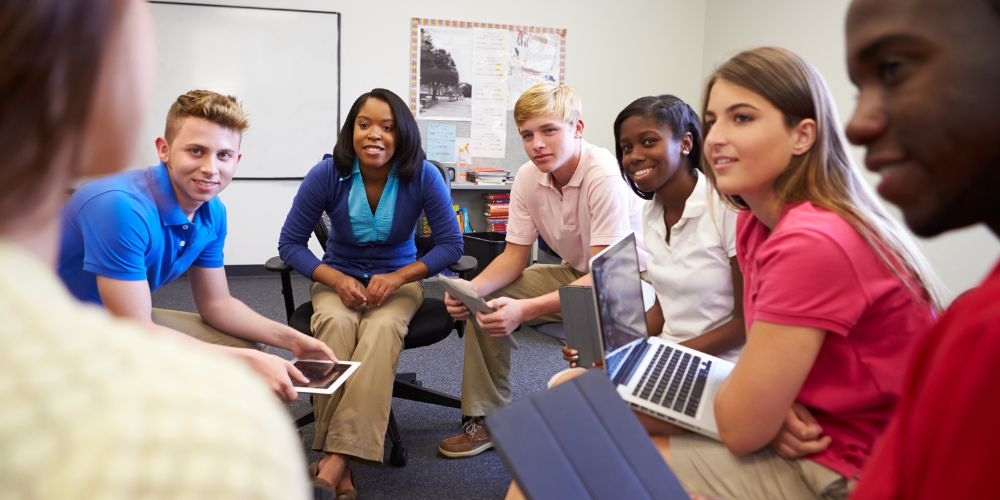
Students with disabilities deserve to learn in an environment where they feel respected, supported, included, and heard. Yet many students continue to experience barriers that can affect their academic progress, relationships, confidence, and overall school experience. For Black students and other students from historically underserved communities, these challenges can sometimes be compounded by bias, unequal access to resources, and misunderstandings about disability.
At The Black Student Advocate Network, we believe meaningful advocacy begins with listening and taking action. Advocating for students with disabilities means helping schools recognize individual needs, protect student rights, create accessible learning environments, and make sure every student has opportunities to participate and succeed.
Advocacy does not have to begin with a major policy change. Teachers, parents, school administrators, counselors, students, and community members can all take practical steps to make schools more inclusive.
Below are six important ways to advocate for students with disabilities and help create a school culture built around equity, respect, and opportunity.
1. Increase Awareness Through Disability Education and Staff Training
One of the first steps toward inclusion is understanding. When educators and school staff have accurate information about disabilities, they are better prepared to recognize barriers and provide appropriate support.
Educate Staff About Disability Rights
Teachers and administrators should understand the legal protections and educational rights that apply to students with disabilities. Depending on the student’s circumstances, this may include protections under the Individuals with Disabilities Education Act (IDEA), Section 504 of the Rehabilitation Act, and the Americans with Disabilities Act (ADA).
Training can help staff understand topics such as:
Individualized Education Programs (IEPs)
Classroom accommodations
Accessibility requirements
Differentiated instruction
Universal Design for Learning
Behavior support
Disability-related discrimination
Effective communication with families
Knowledge gives educators a stronger foundation for responding to student needs appropriately.
Encourage Empathy and Understanding
Inclusion also requires a school culture that respects differences.
Schools can organize disability-awareness activities, classroom conversations, professional development sessions, and peer education programs. These opportunities can help students and staff better understand different disabilities and learn appropriate ways to offer support.
For Black students with disabilities, conversations about inclusion should also recognize how race and disability can intersect. Creating space for these experiences can help schools identify barriers that may otherwise go unnoticed.
Make Every Part of School Life Accessible
Inclusion should extend beyond the classroom.
Students with disabilities should have meaningful opportunities to participate in:
Sports and extracurricular activities
School clubs
Field trips
Student government
Leadership programs
School events
Career and college preparation activities
A school becomes more inclusive when students can participate in the broader school community—not simply attend classes.
2. Help Students Develop Self-Advocacy Skills
Adults have an important role in advocacy, but students should also have opportunities to speak for themselves. Self-advocacy helps students communicate their needs, understand their strengths, and participate in decisions that affect their education.
Teach Students About Their Educational Supports
Students should have age-appropriate opportunities to understand why they receive certain accommodations or services.
For example, students may benefit from learning how to:
Explain what helps them learn
Ask for an accommodation
Communicate challenges to teachers
Set personal academic goals
Participate in meetings about their education
Identify trusted adults they can approach for support
These skills can become increasingly valuable as students move through middle school, high school, college, and the workplace.
Give Students Opportunities to Lead
Schools can encourage self-advocacy by creating opportunities for students with disabilities to take leadership roles.
Student councils, mentoring programs, clubs, presentations, peer-support initiatives, and leadership activities can help students build confidence and recognize their own abilities.
Students should not be viewed only through the lens of their support needs. Their talents, interests, ideas, and accomplishments deserve equal attention.
Create Safe Places for Students to Speak
Students need trusted spaces where they can discuss concerns without fear of embarrassment or punishment.
Schools can provide access to counselors, mentors, peer-support groups, special education professionals, and other trusted adults. When students know where to turn, they may be more comfortable reporting problems and asking for help.
3. Address Bias and Inequity in School Discipline
Advocacy must also address the ways bias can affect students with disabilities.
Disability-related behaviors may sometimes be misunderstood as intentional defiance. When disability and racial bias intersect, Black students with disabilities may face additional challenges in how behavior is interpreted and addressed.
Recognize How Bias Can Affect Student Experiences
Bias can influence decisions involving classroom expectations, disciplinary responses, referrals for evaluation, and perceptions of student behavior.
Schools can address these concerns through ongoing professional development and by examining their own policies and data.
Questions schools can consider include:
Are disciplinary referrals distributed equally across student groups?
Are disability-related behaviors being properly identified?
Are students receiving appropriate behavioral supports?
Are evaluation processes culturally responsive?
Are families included when concerns arise?
Asking these questions can help schools identify patterns that need further attention.
Use Supportive Approaches to Student Behavior
When behavior creates challenges, schools can consider approaches that focus on understanding the reason behind the behavior and identifying appropriate support.
Depending on the student’s needs, strategies may include:
Functional Behavior Assessments (FBAs)
Behavior Intervention Plans (BIPs)
Positive behavioral supports
Restorative practices
Trauma-informed approaches
Individualized classroom strategies
The goal should be to understand what a student needs and create appropriate support rather than relying automatically on exclusionary discipline.
Promote Fair and Culturally Responsive Evaluations
Evaluation and identification processes should consider the whole student.
Schools should examine academic performance, classroom experiences, communication, cultural context, environmental factors, and other relevant information rather than relying on assumptions about behavior or ability.
Careful evaluation can help schools connect students with appropriate services while reducing the risk of misunderstanding their needs.
4. Strengthen Partnerships Between Schools and Families
Families are essential partners in supporting students with disabilities. Parents and caregivers often have valuable knowledge about a student’s strengths, communication style, interests, challenges, and successful strategies.
Keep Communication Clear and Consistent
Schools should make it easy for families to stay informed.
Helpful communication practices can include:
Regular progress updates
Scheduled parent-teacher meetings
Accessible communication channels
Clear explanations of school policies
Timely updates about concerns
Opportunities for families to ask questions
Communication should be respectful, understandable, and focused on collaboration.
Help Families Understand the IEP Process
For families navigating special education, school processes can sometimes feel complicated.
Schools and community organizations can offer workshops or resources covering topics such as:
Understanding an IEP
Preparing for school meetings
Understanding student accommodations
Communicating with educators
Understanding disability-related rights
Finding community resources
When families have access to information, they can participate more confidently in educational decisions.
Value Family Knowledge and Cultural Perspectives
Families should be treated as important members of the educational team.
Schools can ask families what strategies work at home, what motivates the student, what concerns they have, and what goals they have for their child’s future.
Respecting family perspectives can strengthen trust and lead to more collaborative support.
5. Create an Accessible and Inclusive School Environment
An inclusive school environment is one where accessibility is considered from the beginning rather than added only after a problem occurs.
Improve Classroom Accessibility
Teachers can use a variety of instructional strategies to support students with different learning needs.
Depending on the classroom and individual student, this may include:
Visual schedules
Flexible seating
Multiple ways to present information
Assistive technology
Written and verbal instructions
Structured routines
Additional processing time
Hands-on learning activities
Universal Design for Learning can help educators plan instruction with learner differences in mind.
Encourage Positive Peer Relationships
Peers can have a powerful influence on a student’s sense of belonging.
Schools can promote inclusion through peer mentoring, buddy programs, collaborative projects, and classroom activities that encourage students to work together.
Students should learn that inclusion means treating classmates with dignity, respecting differences, and making sure everyone has an opportunity to participate.
Make Accessibility a Year-Round Priority
Disability awareness should not be limited to one month or a single school event.
Schools can regularly recognize the contributions of people with disabilities, incorporate diverse perspectives into lessons, and ensure that school communications represent students with different experiences and abilities.
Consistent inclusion helps make accessibility part of everyday school culture.
6. Give Students and Families a Voice in School Improvement
Effective advocacy is stronger when the people directly affected by school policies are included in conversations about change.
Create Opportunities for Student Feedback
Schools can use surveys, student forums, advisory groups, and one-on-one conversations to understand student experiences.
Students with disabilities should have meaningful opportunities to explain what is working and what barriers they encounter.
Their feedback can help schools identify problems that may not be obvious to administrators or staff.
Include Families in School Decisions
Family advisory groups, listening sessions, workshops, and community meetings can provide valuable perspectives.
When families are invited into conversations about accessibility, discipline, special education, and school culture, schools can gain a better understanding of community needs.
Turn Feedback Into Action
Listening is only the first step.
Schools should document concerns, identify practical solutions, establish measurable goals, and review progress over time.
For example, a school could examine accessibility barriers, review discipline patterns, improve staff training, or expand family engagement based on feedback.
Advocacy becomes meaningful when conversations lead to measurable improvements.
Conclusion
Advocating for students with disabilities is an ongoing process. It requires awareness, communication, collaboration, and a willingness to recognize barriers that may prevent students from fully participating in school life.
Educators can improve their knowledge and teaching practices. Families can become informed partners in educational decisions. Students can develop self-advocacy skills and use their voices. School leaders can examine policies, address inequities, and create more accessible environments.
For Black students with disabilities, meaningful advocacy also means recognizing how disability, race, and unequal access to resources can shape a student’s educational experience.
At The Black Student Advocate Network, we believe every student deserves to be heard, respected, supported, and given the opportunity to reach their potential.
If your school or community is looking for ways to strengthen support for students with disabilities, start with listening. Learn from students and families, identify barriers, and take practical steps toward change. When advocacy becomes part of the school culture, inclusion can become more than a goal—it can become part of everyday practice.


Share This Page