
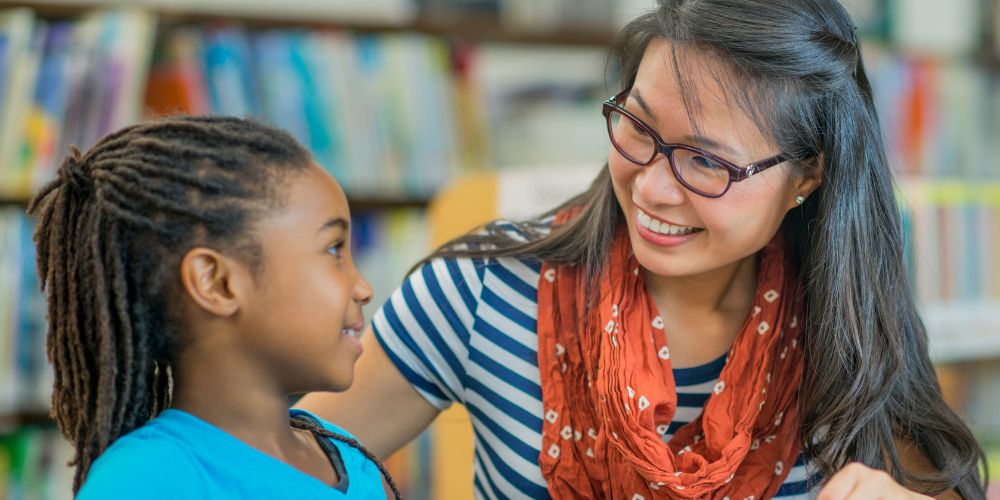
Classrooms across the United States are becoming increasingly diverse, yet the teaching workforce remains predominantly white. This reality creates unique opportunities and challenges when it comes to educating students from different racial and cultural backgrounds. The relationship between white teachers black students is an important topic because positive teacher-student connections can significantly influence academic achievement, emotional well-being, and long-term success.
Many white educators enter the profession with a genuine desire to help every student thrive. However, good intentions alone are not always enough. Cultural misunderstandings, unconscious biases, and differences in lived experiences can sometimes create barriers between teachers and Black students. These barriers may affect communication, trust, discipline practices, and student engagement.
Building stronger relationships requires cultural understanding, empathy, and a willingness to learn. When teachers actively work to understand their students’ experiences, they create classrooms where all children feel respected, valued, and empowered. At The Black Student Advocate Network, we believe that fostering meaningful connections between educators and students is a critical step toward educational equity and success.
1. Understanding the Historical Context of White Teachers and Black Students
To strengthen relationships, it is important to recognize the historical context that shapes modern education. Black students and families have often faced educational inequities, including segregated schools, unequal funding, discriminatory policies, and systemic barriers to opportunity.
These historical experiences continue to influence how some students and families view educational institutions today. Trust is not automatically established simply because a teacher enters the classroom with positive intentions. For some communities, trust must be earned through consistent actions and demonstrated respect.
White teachers who take the time to learn about the history of Black education and racial inequality gain valuable insight into the challenges many students face. This understanding helps educators avoid making assumptions and instead approach students with empathy and awareness.
By acknowledging historical realities, teachers can create a foundation for authentic relationships built on understanding rather than stereotypes.
2. The Importance of Cultural Competence in the Classroom
Cultural competence refers to the ability to understand, respect, and effectively interact with people from different cultural backgrounds. For relationships between white teachers black students to flourish, cultural competence is essential.
Black students may come from families and communities with traditions, communication styles, values, and experiences that differ from those of their teachers. These differences should not be viewed as obstacles but as opportunities for learning and growth.
Culturally competent teachers:
- Learn about their students’ backgrounds.
- Respect diverse perspectives.
- Avoid cultural stereotypes.
- Incorporate diverse voices into classroom materials.
- Create inclusive learning environments.
When students see their identities reflected and respected in the classroom, they are more likely to feel connected to their learning experience. They develop greater confidence, participate more actively, and build stronger relationships with their teachers.
Cultural competence is not a destination but an ongoing process of learning, reflection, and growth.
3. Recognizing and Addressing Implicit Bias
One of the most significant challenges affecting relationships between white teachers black students is implicit bias. Implicit biases are unconscious attitudes or beliefs that can influence behavior and decision-making without a person’s awareness.
Research has shown that implicit bias can affect how teachers interpret student behavior, evaluate academic performance, and administer discipline. For example, behaviors that may be considered normal for one student might be viewed more negatively when exhibited by another student from a different racial background.
Addressing implicit bias requires honest self-reflection. Teachers should ask themselves questions such as:
- Do I hold different expectations for certain students?
- How do I respond to behavior across different groups?
- Am I making assumptions based on race or culture?
- Do all students receive equal opportunities to participate and succeed?
Professional development, diversity training, and ongoing education can help educators become more aware of unconscious biases and develop strategies to reduce their impact.
When teachers actively work to challenge their biases, students are more likely to experience fairness, trust, and respect in the classroom.
4. Building Trust Through Authentic Relationships
Trust is one of the most important components of effective teaching. Students who trust their teachers are more likely to engage academically, seek help when needed, and feel safe expressing themselves.
For white teachers black students, trust is often built through consistent, meaningful interactions rather than grand gestures.
Teachers can strengthen relationships by:
Showing Genuine Interest
Take time to learn about students’ interests, hobbies, goals, and experiences. Small conversations about sports, music, family, or future aspirations can create meaningful connections.
Listening Actively
Students want to feel heard and understood. Active listening demonstrates respect and validates their experiences.
Maintaining High Expectations
Believing in students’ abilities communicates confidence and respect. High expectations paired with appropriate support encourage growth and achievement.
Being Consistent
Consistency in classroom rules, discipline, and communication helps students feel secure and treated fairly.
Authentic relationships develop when students recognize that their teacher genuinely cares about their success both inside and outside the classroom.
5. Creating Inclusive and Affirming Learning Environments
An inclusive classroom sends a powerful message: every student belongs.
Black students are more likely to feel engaged when classroom environments reflect diverse cultures, perspectives, and contributions. Inclusive teaching goes beyond celebrating cultural holidays or discussing diversity during specific months.
Instead, inclusion should be integrated into everyday learning experiences.
Teachers can create affirming classrooms by:
- Including books written by diverse authors.
- Teaching Black history throughout the year.
- Highlighting contributions of Black leaders, scientists, artists, and innovators.
- Encouraging respectful discussions about race and social issues.
- Using examples and materials that reflect diverse experiences.
Representation matters because students need to see themselves in what they learn. When Black students see their identities reflected positively in educational content, it reinforces a sense of belonging and self-worth.
An inclusive classroom benefits all students by broadening perspectives and promoting mutual respect.
6. Partnering with Families and Communities
Strong teacher-student relationships are often strengthened when educators build positive relationships with families and communities as well.
Families play a critical role in a student’s educational journey. Teachers who engage respectfully with parents and caregivers gain valuable insights into students’ strengths, challenges, and cultural backgrounds.
Effective family engagement includes:
Open Communication
Regular communication helps establish trust and collaboration between schools and families.
Respect for Family Perspectives
Parents and caregivers bring important knowledge about their children’s experiences and needs.
Community Involvement
Learning about the local community can help teachers better understand the environments in which students live and grow.
Collaborative Problem-Solving
When challenges arise, teachers and families should work together to find solutions that support student success.
Building partnerships demonstrates respect and creates a stronger support network for students.
Organizations such as The Black Student Advocate Network encourage schools to strengthen family engagement efforts and create meaningful opportunities for collaboration between educators and communities.
The Long-Term Impact of Strong Teacher-Student Relationships
When relationships between white teachers black students are built on cultural understanding and mutual respect, the benefits extend far beyond academic performance.
Students who experience positive teacher relationships often demonstrate:
- Increased confidence.
- Higher academic achievement.
- Better attendance.
- Greater classroom participation.
- Improved emotional well-being.
- Stronger motivation to pursue future goals.
Teachers also benefit from these relationships. They gain new perspectives, improve their teaching practices, and create more inclusive learning environments.
Most importantly, strong relationships help break down barriers and foster a sense of belonging that supports lifelong success.
Conclusion
The conversation surrounding white teachers black students is ultimately about creating educational environments where every child can thrive. While differences in race and culture may present challenges, they also provide opportunities for growth, learning, and meaningful connection.
By developing cultural competence, addressing implicit bias, building trust, creating inclusive classrooms, and partnering with families, white teachers can establish stronger and more supportive relationships with Black students. These efforts not only improve educational outcomes but also contribute to a more equitable and compassionate school experience.
At The Black Student Advocate Network, we believe that understanding and respect are the foundations of successful education. When teachers embrace cultural awareness and prioritize authentic relationships, they help create classrooms where every student feels seen, valued, and empowered to reach their full potential.




Share This Page