
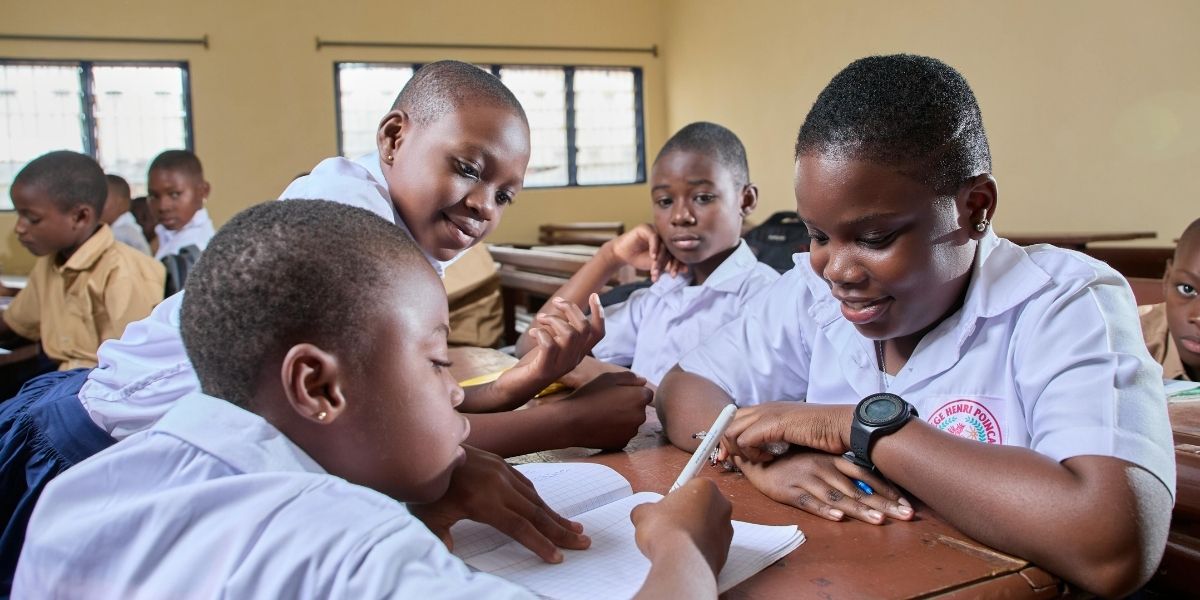
Racism in the classroom is a deeply rooted issue that continues to impact students’ academic performance, emotional well-being, and sense of belonging. For many students, the classroom—ideally a safe space for learning—can become a site of subtle bias, exclusion, and systemic inequities. As educators, parents, and students, understanding the dynamics of racism in schools is critical for creating an environment where every student feels respected, valued, and empowered to succeed.
The Black Student Advocate Network is dedicated to raising awareness and providing tools to address racism in educational settings. This blog will explore the forms racism can take in classrooms, its effects, and practical strategies for intervention and support.
1. Recognizing Racism in the Classroom
Racism in the classroom isn’t always overt; it can be subtle, systemic, and sometimes unconscious. Understanding its various forms is the first step in addressing it.
Types of racism in classrooms include:
- Overt racism: Direct, intentional acts of discrimination such as racial slurs, name-calling, or exclusion based on race.
- Covert racism: Subtle forms of discrimination, like biased grading, microaggressions, or unequal attention from teachers.
- Systemic racism: Policies, curricula, and school practices that disproportionately disadvantage students of color, such as lack of diverse representation in textbooks or disciplinary disparities.
Signs educators and students can look out for:
- Students of color being disciplined more harshly than their peers.
- Certain students being overlooked in classroom discussions or group activities.
- Stereotypes influencing expectations of students’ abilities.
Recognizing these signs early allows for timely interventions and promotes equity in learning environments.
2. The Impact of Racism on Students
Racism in the classroom affects not just academic performance but also emotional and social development.
Academic impact:
- Lower self-esteem can lead to decreased participation in class and reduced motivation.
- Biased assessments or lowered expectations may hinder educational progress.
Emotional and social impact:
- Students may experience anxiety, depression, or a sense of isolation.
- Experiences of racism can damage peer relationships and the ability to trust educators.
Long-term consequences:
- Students subjected to repeated discrimination may internalize negative stereotypes.
- Reduced opportunities for higher education or career advancement due to systemic barriers.
By understanding these impacts, educators and advocates can implement supportive strategies to help students thrive.
3. Encouraging Open Conversations About Race
Open dialogue is essential for addressing racism and fostering a more inclusive classroom.
Strategies for educators and parents:
- Create a safe space where students feel comfortable sharing their experiences without fear of judgment.
- Use age-appropriate discussions about race, privilege, and inequality.
- Encourage students to express feelings through writing, art, or group activities.
Benefits of open conversations:
- Promotes empathy and understanding among students.
- Helps dismantle stereotypes and reduces incidences of peer-to-peer racism.
- Empowers students to become advocates for social justice.
The Black Student Advocate Network emphasizes that listening to students and validating their experiences is a powerful tool in combating racism.
4. Implementing Inclusive Curriculum and Teaching Practices
Curriculum and teaching methods play a crucial role in either perpetuating or challenging racial biases.
Key strategies:
- Integrate diverse perspectives into lesson plans and reading materials.
- Highlight contributions of people from various racial and cultural backgrounds.
- Use teaching methods that value different learning styles and experiences.
Additional practices:
- Avoid reinforcing stereotypes through examples or language.
- Provide opportunities for critical thinking about historical and current social issues.
- Include discussions on equity, justice, and inclusion in classroom activities.
An inclusive curriculum ensures that all students see themselves represented and valued, which is critical for their academic and personal growth.
5. Addressing Bias and Supporting Students
Educators and school staff must actively work to address bias and support students affected by racism.
Effective approaches include:
- Professional development on cultural competency and anti-racism strategies.
- Implementing fair disciplinary practices to eliminate racial disparities.
- Mentorship programs that provide guidance and support to students of color.
For parents and guardians:
- Advocate for inclusive policies and equitable treatment in schools.
- Provide emotional support and guidance on coping strategies for their children.
- Engage in school communities to promote awareness and collaboration.
The Black Student Advocate Network encourages partnerships between educators, families, and community organizations to create a holistic support system for students.
6. Empowering Students to Become Advocates
Students themselves play a vital role in combating racism in schools. Empowering them to advocate for themselves and their peers fosters resilience and leadership.
Ways to empower students:
- Encourage student-led initiatives promoting diversity and inclusion.
- Provide platforms for students to share experiences and solutions.
- Teach conflict resolution and constructive communication skills.
Benefits of student advocacy:
- Builds confidence and leadership skills.
- Creates a more inclusive and supportive school culture.
- Encourages peers to challenge biases and speak up against injustice.
By fostering a culture of advocacy, students become active participants in creating positive change within their communities.
Conclusion
Racism in the classroom is a pervasive issue with far-reaching consequences, but it is not insurmountable. Recognizing the signs of racism, understanding its impact, implementing inclusive practices, and empowering students are critical steps toward fostering a safe and equitable learning environment.
The Black Student Advocate Network is committed to supporting students, educators, and families in this journey. By working together, we can challenge systemic inequalities, promote understanding, and ensure that every student has the opportunity to succeed without fear of discrimination.
Together, we can create classrooms where diversity is celebrated, every voice is heard, and every student feels valued.



Share This Page