
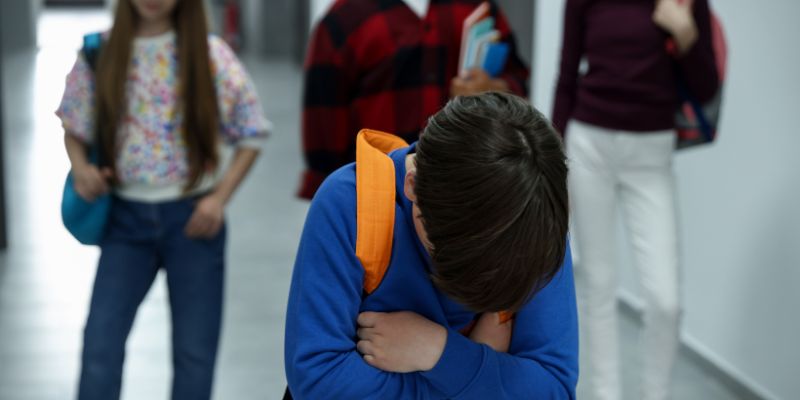
The conversation around violence in black schools often raises difficult questions about student safety, educational equity, and community well-being. While the phrase itself appears frequently in online searches, it is important to recognize that violence is not caused by the racial makeup of a school. School violence can occur in any community and is influenced by a combination of social, economic, environmental, and institutional factors.
Many schools serving predominantly Black students face longstanding challenges such as underfunding, community violence, limited access to mental health resources, and historical inequities. These conditions can increase the likelihood of conflicts while also limiting the resources available to address them effectively.
Creating safer learning environments requires more than stronger disciplinary policies. It demands collaboration among educators, families, students, community leaders, and policymakers to address the underlying causes of violence while promoting positive school climates.
At The Black Student Advocate Network, we believe every student deserves to learn in an environment where they feel safe, respected, and supported. By understanding the root causes of school violence and investing in evidence-based solutions, communities can help every student succeed academically and emotionally.
1. Understanding the Conversation Around Violence in Black Schools
The phrase violence in black schools is commonly used in search engines, but it can unintentionally suggest that violence is unique to schools serving Black students. In reality, research consistently shows that school violence is a nationwide issue affecting schools across different regions, income levels, and student populations.
Schools serving historically marginalized communities often experience additional challenges that can increase safety concerns, including:
- Higher neighborhood crime rates
- Economic hardship
- Limited educational funding
- Trauma exposure among students
- Staffing shortages
- Reduced access to counselors and mental health professionals
Understanding these broader conditions helps shift the discussion away from stereotypes and toward practical solutions.
Rather than assigning blame to students or communities, educators increasingly focus on creating supportive environments where students can thrive despite external challenges.




Share This Page