Why Racism in the Classroom Persists — And How Teachers Can Make a Change

Racism in the classroom remains one of the most persistent and harmful barriers to equitable education in today’s schools. Despite decades of reform, advocacy, and administrative strategies intended to foster inclusivity, students of color—especially Black students—continue to endure discriminatory practices, lowered expectations, and an educational environment that often fails to honor their identities, histories, and potential.

At The Black Student Advocate Network, we believe that understanding why racism persists in classrooms is essential to dismantling it. Racism in education is not merely the result of isolated incidents; it is embedded within policies, norms, and everyday interactions that cumulatively disadvantage students based on race. However, teachers are uniquely positioned to challenge these dynamics through intentional practice, self-reflection, and culturally responsive pedagogy.

This blog explores the core reasons why racism in the classroom persists and offers practical, research-based strategies teachers can use to make meaningful change.

1. Historical and Structural Roots of Racism in Education

Long before the first bell rings, the legacy of segregation, unequal funding, biased curricula, and discrimination has already shaped many students’ educational pathways. Schools in the United States were built within systems that, historically, denied equal access, opportunity, and dignity to Black students and other students of color. Jim Crow laws, redlining, and unequal resource allocation ensured that students in predominantly Black neighborhoods attended underfunded schools, a reality that persists today through de facto segregation.

These structural disparities have repercussions:

  • Unequal funding leads to larger class sizes, fewer resources, and limited advanced coursework.
  • Curriculum bias centers Eurocentric narratives while marginalizing the contributions and perspectives of other cultures.
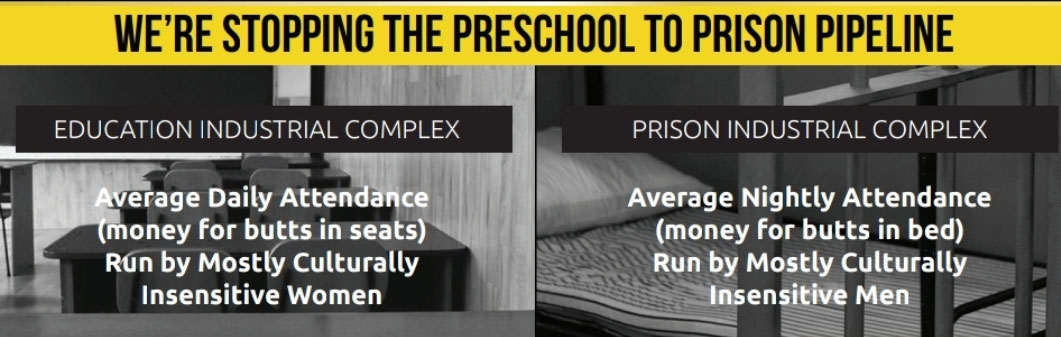
  • Disciplinary disparities disproportionately affect Black students, pushing them out of classrooms and contributing to the “school-to-prison pipeline.”

When teachers enter schools shaped by these inequities without understanding this context, they may inadvertently reinforce them. Recognizing that racism in the classroom is not accidental but rooted in long-standing structural inequalities is the first step toward meaningful change.

2. Implicit Bias and Teacher Expectations

Even well-intentioned educators can harbor implicit biases—unconscious associations that shape how they perceive and respond to students. Research shows that teachers may, without realizing it, hold lower academic expectations for students of color, particularly Black boys, based on societal stereotypes rather than individual potential.

These expectations matter. According to educational research:

  • Students learn more and achieve higher when teachers hold high expectations and believe in their potential.
  • Teachers’ assumptions about behavior can influence disciplinary referrals, class participation opportunities, and even grading.

For example, a student labeled “disruptive” may be disciplined rather than supported with behavioral strategies that recognize cultural differences in communication styles. Without intentional reflection and training, teachers may respond to behavior in ways that perpetuate harm.

What Teachers Can Do:

  • Regularly engage in self-reflection about biases and assumptions.
  • Participate in professional development centered on equity and anti-bias teaching.
  • Use restorative practices instead of punitive discipline.

By acknowledging and challenging implicit biases, teachers can build equitable expectations that affirm all students’ abilities.

3. Curriculum That Fails to Reflect Diverse Histories and Perspectives

Another major reason racism in the classroom persists is the prevalence of curricula that center dominant cultural narratives while marginalizing or excluding others. Many students, especially Black students, rarely see their histories, cultures, and achievements reflected in what they learn. This omission sends a message: “Your story does not matter.”

Consider a history lesson that focuses heavily on European explorers, or literature classes composed almost entirely of white authors. This framework does not offer space for Black students to see themselves reflected or understood. When students feel invisible or reduced to stereotypes, their engagement, academic identity, and sense of belonging suffer.

Transforming the Curriculum:
Culturally responsive teaching means intentionally incorporating diverse voices, texts, examples, and histories throughout subjects—not just during Black History Month.

Teachers can:

  • Introduce literature from Black authors that centers Black experiences across genres.
  • Teach historical accounts from multiple perspectives, especially those traditionally suppressed or overlooked.
  • Empower students to bring their cultural knowledge into classroom discussions and projects.

When students encounter classrooms where their identities are affirmed and valued, learning becomes more relevant and engaging.

4. Discipline Disparities and the School-to-Prison Pipeline

Racism in the classroom is not limited to curriculum and instruction—it is also evident in how students are disciplined. National data consistently show that Black students are suspended, expelled, or referred to law enforcement at rates far higher than their white peers, even for the same behaviors.

These disparities are not random; they reflect systemic bias in how rules are enforced and perceptions of behavior.

The Impact of Disproportionate Discipline

  • Time out of class reduces learning opportunities.
  • Students labeled as “troublemakers” are less likely to receive supportive interventions.
  • Suspensions and expulsions are linked to increased dropout rates and contact with the juvenile justice system.

This constellation of outcomes is often described as the school-to-prison pipeline—a process where biased school practices push students toward incarceration instead of graduation.

Teacher Action Steps:

  • Adopt restorative justice practices focused on repairing harm and rebuilding relationships.
  • Use behavioral interventions that consider cultural context.
  • Collaborate with counselors and family supports before resorting to punitive measures.

By transforming disciplinary approaches, teachers can help disrupt a cycle that disproportionately harms Black students and other students of color.

5. Classroom Environment and Classroom Management

Creating a classroom environment where every student feels safe, valued, and capable is fundamental to eliminating racism in the classroom. Yet many environments—through subtle messages, interactions, or teacher behaviors—signal that some students’ voices or experiences matter more than others.

Consider language that praises compliance over creativity, displays that only reflect dominant cultural icons, or micro-invalidations when students share their lived experiences.

Characteristics of Anti-Racist Classroom Environments:

  • Student voices are centered and celebrated.
  • Classroom rules are co-created with students to reflect fairness and mutual respect.
  • Materials and visuals reflect diverse cultures and identities.

Teachers can build inclusive classrooms by:

  • Greeting students by name and building authentic relationships.
  • Encouraging student-led discussions and valuing multiple ways of knowing.
  • Reflecting on whose voices are heard and whose are missing from discussions.

These intentional practices foster trust and affirm belonging for all students.

6. Teacher Preparation and Professional Development Gaps

Many educators receive minimal training in culturally responsive teaching, anti-bias education, or the history of race in America. Teacher preparation programs often emphasize pedagogy without adequately preparing teachers to recognize and dismantle systemic racism in their classrooms.

Without comprehensive training, teachers may feel unprepared to address issues of race, respond to racist incidents, or adapt instruction for diverse learners.

What Effective Professional Development Looks Like:

  • Sustained, collaborative learning—not one-off workshops.
  • Opportunities for self-reflection, dialogue, and practice.
  • Focus on both awareness and concrete strategies for change.
  • Leadership support and accountability structures.

Administrators, teacher educators, and districts must prioritize equity-focused professional development that empowers teachers, rather than placing the entire burden on individual educators to seek out learning independently.

Conclusion

Racism in the classroom is not an accident—it is a persistent outcome of structural inequities, implicit biases, curricular exclusions, discipline disparities, unsupportive environments, and gaps in teacher preparation. Yet, recognizing these realities is not an endpoint; it is a starting point for transformative change.

Teachers are uniquely positioned to disrupt harmful patterns and foster classrooms where every student thrives. This work is neither quick nor easy, but it is essential. Change happens when educators:

  • Reflect critically on their beliefs and practices.
  • Center diversity, equity, and inclusion in curriculum and instruction.
  • Build compassionate, affirming classroom environments.
  • Replace punitive discipline with restorative approaches.
  • Engage in ongoing professional learning focused on equity.

At The Black Student Advocate Network, we believe that every student—especially Black students—deserves an education free from racism, bias, and lowered expectations. When teachers commit to equity, they not only transform individual classrooms but also contribute to dismantling broader systems of educational injustice.

The future of education depends on teachers who do the hard work of change. The future of students—full of promise, power, and possibility—depends on it too.

Why a Black Empowerment Network Matters: Driving Representation, Resources & Resilience

In a world where systemic inequities have shaped the opportunities and experiences of Black communities for generations, the rise of black empowerment networks stands as both a necessary force and a powerful answer to the call for collective progress. More than just clubs or online groups, these networks are living, breathing ecosystems that elevate Black voices, champion access to resources, and strengthen resilience on personal, academic, and professional levels. They help bridge gaps created by historical exclusion — transforming isolation into solidarity, barriers into breakthroughs, and survival into shared success.

In this blog, The Black Student Advocate Network explores why Black empowerment networks matter deeply — especially within academic settings, community spaces, and professional fields where Black students and professionals have historically faced underrepresentation, limited access, and a lack of community support. By examining how these networks influence representation, access to opportunity, connectedness, and resilience, we uncover not just their importance, but their transformative power.

1. Understanding the Core Purpose of a Black Empowerment Network

Before diving into its impacts, it’s crucial to understand what a black empowerment network truly is.

At its essence, a Black empowerment network is a collective designed to increase the political, economic, educational, cultural, and social power of Black individuals and communities. This means actively working to dismantle barriers to success, advocating for equal access to resources, and fostering environments where Black voices are visible, respected, and influential.

These networks can take many forms — ranging from student-led campus organizations and professional diversity groups to community coalitions and national associations. What unites them all is a shared mission: to build community, amplify Black excellence, and create pathways to achievement that have often been denied or obstructed by systemic inequities.

At the heart of every empowerment network lies representation, support systems, and collective resilience — pillars that shape the rest of this discussion.

2. Championing Representation: Why Seeing Black Faces Matters

Representation isn’t just symbolic — it’s transformative.

For Black students and professionals, seeing themselves reflected in leadership, academia, media, and decision-making spaces validates their presence and potential. It counters narratives of absence or inferiority and replaces them with images of capability, achievement, and leadership.

Black empowerment networks intentionally elevate Black representation in places where it has long been lacking. Whether through mentorship programs, spotlighting Black achievers, or facilitating leadership training, these networks ensure that Black voices are not just present — but heard and valued.

Representation also combats the psychological toll of underrepresentation. When Black individuals consistently encounter environments where they are the only person of color, it can lead to feelings of tokenism, isolation, and self-doubt. Empowerment networks disrupt this by creating spaces where Black identity is normalized, celebrated, and encouraged — strengthening confidence and belonging across educational and professional landscapes.

3. Expanding Access to Critical Resources

One of the most practical and tangible impacts of a Black empowerment network is its ability to connect members with valuable resources — whether academic, financial, or professional.

Black students and early-career professionals often find themselves navigating systems where access to information, internships, scholarships, networks, and career opportunities is uneven. Empowerment networks help bridge these gaps by:

  • Providing career-focused mentorship and professional guidance
    Mentors from within these networks offer culturally informed advice on navigating academic challenges, workplace dynamics, and strategic career decisions. These relationships can directly influence students’ confidence and long-term success.
  • Connecting members to internships, job openings, and financial supports
    Through partnerships with employers and alumni, Black empowerment networks often unlock opportunities that students might not readily discover on their own.
  • Offering workshops, skill-building sessions, and educational tools
    These can range from public speaking and negotiation to financial literacy and leadership development — equipping members with skills that extend far beyond the classroom.

By facilitating access to these tools, networks transform potential barriers into launchpads for growth and achievement.

4. Building Community: The Power of Connection and Belonging

At its core, a Black empowerment network is a community, and that community is a source of strength and support.

Across cultures and history, Black communities have thrived when they collaborate — sharing wisdom, supporting each other’s goals, and building collective momentum. Today, empowerment networks continue this legacy by creating spaces where members can:

  • Share experiences without judgment
    These spaces allow students and professionals to discuss challenges, celebrate victories, and offer emotional support in ways that validate individual and collective experience.
  • Build long-lasting professional and personal relationships
    Networking opportunities often lead to collaborations, partnerships, job referrals, and lifelong friendships. These connections can be especially invaluable for students entering competitive academic or professional environments.
  • Encourage collective pride and cultural affirmation
    Within these communities, cultural identity is embraced rather than minimized — fostering resilience and psychological well-being.

As research shows, community support significantly enhances resilience and empowers individuals to navigate challenges more effectively — particularly when they can draw on shared values and lived experiences.

5. Fostering Resilience in the Face of Systemic Challenges

Resilience — the ability to adapt, persist, and thrive despite adversity — is a central characteristic of any effective empowerment network.

Black students and professionals often encounter microaggressions, implicit bias, limited representation, and institutional barriers. Without a supportive framework, these challenges can lead to burnout, disengagement, and self-doubt.

Black empowerment networks cultivate resilience by:

  • Providing emotional and practical support during hardships
    Conversations around mental health, coping strategies, and support systems help individuals process experiences and sustain wellbeing.
  • Promoting collective resilience through shared goals and mutual encouragement
    Research indicates that empowerment-focused programs can strengthen awareness of structural barriers while fostering collective strategies for navigating them.
  • Reframing responses to adversity from individual struggle to collective growth
    Instead of shouldering challenges alone, network members benefit from collective wisdom, shared resources, and coordinated action.

Ultimately, these environments help members develop not just persistence — but purposeful resilience rooted in community strength and shared identity.

6. Empowerment Networks as Advocates for Systemic Change

While individual support is vital, black empowerment networks also play a critical role in broader social and institutional transformation.

These networks often serve as platforms for advocacy — challenging exclusionary policies, demanding equitable treatment, and amplifying the voices of Black students and professionals in policy discussions. Through collective action, networks can:

  • Influence institutional policies
    Student government initiatives, diversity councils, and institutional partnerships are avenues where empowerment networks advocate for better representation, inclusive curricula, and equitable opportunities.
  • Raise awareness about structural inequalities
    Through workshops, public events, lectures, and campaigns, networks educate both Black members and allies about systemic barriers and strategies for change.

These efforts transform empowerment networks from support spaces into catalysts for long-term structural progress and equity.

Conclusion

A black empowerment network is more than a collective — it is a strategic force for representation, equity, and resilience. From uplifting individual members to challenging systemic barriers, these networks root their power in community, purpose, and visibility.

For Black students and professionals navigating spaces where they have often been marginalized, these networks offer:

  • A platform for representation and voice
  • Access to critical academic and professional resources
  • A community of support and belonging
  • Tools for personal and collective resilience
  • A vehicle for institutional advocacy and systemic change

At The Black Student Advocate Network, we recognize that empowerment thrives when collective voices are amplified, opportunities are accessible, and every individual feels seen, supported, and valued. Black empowerment networks do not merely supplement existing structures — they challenge, strengthen, and redefine them.

In embracing and fostering these networks, we invest not only in individual achievement but in a future where diversity, equity, and inclusion are realities — not aspirations.

The Hidden Effects of Discrimination Against Immigrant Students on Learning and Identity

Discrimination against immigrants in schools is one of the most pervasive yet least discussed barriers to educational equity in today’s diverse classrooms. While schools are often heralded as spaces of opportunity and growth, for many immigrant students, they can become sources of exclusion, prejudice, and internal conflict. From overt harassment and lowered expectations to subtle biases in curriculum and teacher attitudes, immigrant students navigate a range of discriminatory experiences that shape not just their academic outcomes but also their sense of self and identity.

Discrimination against immigrant students doesn’t just affect test scores—it affects mental health, social relationships, language development, and long-term aspirations. When children are made to feel “less than,” excluded from school communities, or misunderstood because of their culture, accent, or background, these experiences leave psychological and educational scars that can follow them for life. In this blog, The Black Student Advocate Network examines how discrimination manifests in schools, its multi-layered impacts on learning and identity formation, and how educators and communities can work toward truly inclusive education.

Outline 1: What Discrimination Against Immigrant Students Looks Like in Schools

Discrimination against immigrant students in schools takes many forms, ranging from overt acts of bullying to systemic biases woven into educational practices and expectations.

1.1 Overt Peer Harassment

Immigrant students frequently face verbal harassment and bullying from peers, often driven by stereotypes about language ability, nationality, or cultural appearance. This includes mocking accents, derogatory comments, and exclusion from social groups. Such behaviors can create a climate of fear and alienation for students who already feel vulnerable adjusting to a new environment.

1.2 Teacher Attitudes and Expectations

Discrimination isn’t limited to peer interactions. Teachers may unconsciously hold lower academic expectations for immigrant students, focusing narrowly on basic tasks instead of challenging and engaging learning opportunities. This reflects a belief that these students are “less capable,” which can shape the trajectory of their academic progress.

1.3 Structural Bias and Segregation

At a structural level, many immigrant students are concentrated in under-resourced schools with limited access to quality teachers, advanced coursework, or language support programs. These conditions reinforce educational inequality and limit students’ opportunities to develop academically and socially within the school community.

Outline 2: Academic Consequences of School-Based Discrimination

Discrimination in schools doesn’t occur in a vacuum. Its effects reverberate through immigrant students’ academic achievement and classroom experiences.

2.1 Decreased Academic Performance

Studies show that immigrant students often have lower academic outcomes than their native-born peers, due in part to discriminatory school environments that fail to engage them in meaningful and challenging educational tasks. Students subjected to biased expectations or limited instructional opportunities are prevented from realizing their full academic potential.

2.2 Discouragement and Dropout Risk

Chronic exposure to discrimination increases stress, motivation loss, and disengagement from school. Immigrant students are more likely to lose interest in academic pursuits, sometimes leading to absenteeism and even dropping out altogether. Discrimination-induced stress can undermine their confidence in academic ability and reduce their long-term educational aspirations.

2.3 Classroom Participation Barriers

Language barriers—often intertwined with discriminatory attitudes—can make classroom participation especially daunting. When students are corrected harshly or dismissed because of their accent or slow language processing, they may withdraw from engaging in classroom discussions, reducing learning opportunities and peer interaction.

Outline 3: Psychological and Emotional Impacts

Beyond academics, discrimination deeply affects immigrant students’ emotional and psychological well-being.

3.1 Stress and Trauma Responses

Discriminatory experiences can trigger chronic stress responses similar to those seen in trauma, affecting mental health and students’ ability to focus, learn, or feel safe at school. Constant hyper-awareness of potential bias erodes emotional resilience and can lead to anxiety, depression, and school avoidance.

3.2 Belonging and Self-Worth

Belonging is central to student engagement and identity development. When immigrant students feel unwelcome or invisible within their schools, they struggle to build positive connections and internalize negative messages about their worth as learners and individuals. Persistent exclusion can lead to internalized stigma and feelings of inferiority.

3.3 Social Integration Challenges

Discrimination not only affects student–teacher relationships but also peer interactions. Repeated exclusion or bullying due to cultural differences fosters social isolation. When immigrant students don’t feel connected to peers, they lose vital opportunities for social learning and friendship development, which are essential for adolescent growth.

Outline 4: Identity Development and Cultural Negotiation

School is a primary context for identity formation, and discrimination complicates the way immigrant students understand themselves and their cultural heritage.

4.1 Ethnic and Cultural Identity Strain

Immigrant students often carry multiple identities—ethnic heritage, home culture, and the culture of their new environment. School discrimination can make it difficult to navigate these identities, leading to confusion, conflict, or the suppression of cultural pride. Some students may distance themselves from their heritage to avoid stigma.

4.2 Development of Dual Identity

Conversely, some immigrant students respond to exclusion by strengthening their ethnic identity as a form of resilience and self-protection. While this can foster pride and community, it can also exacerbate feelings of division between their cultural background and school culture.

4.3 Language as Identity and Barrier

Language is more than communication—it is identity. When schools devalue students’ home languages, immigrant learners often interpret this as a rejection of their culture. This not only impacts language maintenance but also affects self-esteem and cultural confidence.

Outline 5: Long-Term and Societal Implications

Discrimination against immigrant students has ripple effects that extend far beyond the classroom door.

5.1 Educational and Economic Mobility

When immigrant students are denied quality education opportunities through discrimination, it reduces their prospects for higher education and economic advancement. This perpetuates cycles of marginalization and limits social mobility across generations.

5.2 Community and Family Stress

School discrimination often affects entire families and communities. Parents may feel unwelcome participating in schools, reducing home–school collaboration. Children’s negative school experiences can lead to familial stress and intergenerational tension

5.3 Reinforcement of Social Inequalities

Educational discrimination reinforces broader societal inequities. When schools fail to support immigrant students, this not only impacts individual futures but perpetuates systemic patterns of exclusion that shape labor markets, civic engagement, and community cohesion.

Outline 6: Solutions and Supportive Strategies

Addressing discrimination against immigrant students in schools requires intentional policies, practices, and community engagement.

6.1 Educator Training and Cultural Competence

Teachers and school staff must receive training in cultural responsiveness, bias recognition, and equitable instruction. Preparing educators to value linguistic diversity and to support multilingual learners helps immigrant students feel respected and engaged.

6.2 Inclusive Curriculum and Representation

Curriculum content should reflect the histories and contributions of diverse cultures. When students see their backgrounds represented in learning materials, they can better integrate their identity with academic success.

6.3 Social–Emotional Support Systems

Schools should invest in counseling, mentorship, and community-building programs that affirm immigrant student identities and provide safe spaces for emotional expression and peer support.

6.4 Family and Community Partnerships

Strengthening ties between schools and immigrant families fosters trust and collective problem-solving. Schools that actively welcome family participation can create environments where immigrant students are supported both inside and outside the classroom.

Conclusion

Discrimination against immigrants in schools is a deep-seated issue that impacts learning, well-being, and identity development in profound ways. From academic challenges and psychological stress to blurred cultural identities and limited social integration, the effects of discrimination ripple through every facet of an immigrant student’s educational journey. But this doesn’t have to be the narrative.

At The Black Student Advocate Network, we believe in the promise of education as a space of belonging, empowerment, and opportunity for every student—regardless of origin. Schools must confront discriminatory practices, celebrate diversity, and implement structures that affirm and elevate immigrant students. This collective work strengthens not only individual students but our entire educational system and society at large.

When schools become truly inclusive environments—where immigrant students are welcomed, understood, and provided equitable opportunity—we unlock not just academic potential, but human potential. And in doing so, we honor the dignity of every learner who walks through the classroom doors.

Advocate for Students With Disabilities: From Rights to Real Classroom Impact

To advocate for students with disabilities is to stand at the intersection of justice, equity, and education. While laws and policies promise equal access, many students with disabilities—especially Black and marginalized students—still face daily barriers that limit their learning, confidence, and sense of belonging. Advocacy is not just about knowing student rights; it is about transforming those rights into real, measurable classroom impact.

At The Black Student Advocate Network, we believe that advocacy must move beyond compliance checklists and paperwork. True advocacy centers students’ voices, challenges systemic inequities, and ensures that classrooms are inclusive, affirming spaces where every learner can thrive. This blog explores how educators, parents, advocates, and communities can effectively advocate for students with disabilities—from understanding legal protections to creating inclusive, empowering learning environments.

1. Understanding Disability Rights in Education

A strong foundation is essential to advocate for students with disabilities effectively. Disability rights in education are designed to ensure access, dignity, and fairness—but these protections only work when advocates understand and actively enforce them.

Key Educational Rights for Students With Disabilities

Students with disabilities are entitled to:

  • Equal access to education
  • Reasonable accommodations and supports
  • Protection from discrimination
  • Individualized instruction that meets their unique needs

These rights are typically formalized through tools such as Individualized Education Programs (IEPs) or 504 plans, which outline the supports a student needs to succeed academically and socially.

Why Rights Alone Are Not Enough

Despite existing protections, many students—particularly Black students with disabilities—are:

  • Underidentified for support services
  • Over-disciplined and mischaracterized
  • Placed in restrictive learning environments
  • Denied culturally responsive instruction

This gap between rights and reality is why advocacy is critical. At The Black Student Advocate Network, we emphasize that knowing the law is only the first step—active, informed advocacy is what ensures these rights are respected in practice.

2. Recognizing Barriers Students With Disabilities Face in Classrooms

To advocate for students with disabilities, we must first recognize the barriers that prevent them from fully participating in school life. These obstacles often extend beyond physical access and include systemic, cultural, and instructional challenges.

Common Barriers to Inclusion

  • Inaccessible teaching methods that rely on one-size-fits-all instruction
  • Implicit bias that frames disability as a deficit rather than a difference
  • Lack of culturally responsive practices, especially for Black students with disabilities
  • Insufficient training for educators on inclusive strategies
  • Low expectations, which limit student growth and self-esteem

The Intersection of Race and Disability

Black students with disabilities are disproportionately impacted by:

  • Harsh disciplinary practices
  • Special education misplacement
  • Reduced access to advanced coursework
  • Negative teacher perceptions

Advocacy must address both disability and racial inequity. The Black Student Advocate Network works to amplify these intersecting concerns and ensure that advocacy efforts are inclusive, culturally informed, and justice-driven.

3. The Role of Educators in Advocating for Students With Disabilities

Educators play a vital role in translating policy into practice. Teachers, counselors, and school leaders are often the first line of defense when students’ needs are overlooked or unmet.

How Educators Can Advocate Effectively

  • Use inclusive teaching strategies such as Universal Design for Learning (UDL)
  • Differentiate instruction to meet diverse learning styles
  • Document concerns and progress consistently
  • Collaborate with families and specialists
  • Challenge harmful practices or assumptions

Creating Advocacy-Focused Classrooms

An advocate-teacher:

  • Views accommodations as tools for equity, not advantages
  • Builds trust with students and families
  • Centers student voice in learning decisions
  • Maintains high expectations for all learners

At The Black Student Advocate Network, we encourage educators to see advocacy as part of their professional responsibility—not an optional role.

4. Partnering With Families as Advocacy Allies

Families are powerful advocates for students with disabilities, yet they are often excluded from meaningful decision-making—particularly families from marginalized communities.

Why Family Partnerships Matter

Families:

  • Understand their child’s strengths, needs, and history
  • Provide critical insights into cultural and community context
  • Reinforce advocacy beyond the classroom

When schools fail to partner with families, students suffer.

Strategies for Strong Family Collaboration

To advocate for students with disabilities effectively:

  • Use clear, respectful, jargon-free communication
  • Invite families into IEP and support planning as equal partners
  • Honor cultural differences and lived experiences
  • Provide accessible resources and translation services

The Black Student Advocate Network emphasizes family-centered advocacy that respects parents and caregivers as experts, not obstacles.

5. Centering Student Voice and Self-Advocacy

True advocacy empowers students to speak for themselves. Teaching self-advocacy skills is essential for long-term success, independence, and confidence.

Why Student Voice Matters

When students with disabilities are heard:

  • They develop self-awareness and agency
  • They learn to articulate their needs
  • They gain confidence in navigating systems
  • They feel respected and valued

Building Self-Advocacy Skills

Students can be supported by:

  • Learning about their rights and accommodations
  • Practicing communication and goal-setting
  • Participating actively in IEP meetings
  • Reflecting on what helps them learn best

At The Black Student Advocate Network, we believe that advocacy is strongest when students are not just protected—but empowered.

6. Turning Advocacy Into Real Classroom Impact

Advocacy is only meaningful when it leads to real change in daily learning experiences. Moving from theory to action requires intentional strategies and accountability.

Practical Ways to Advocate for Students With Disabilities

  • Implement inclusive lesson design
  • Use assistive technologies effectively
  • Monitor accommodation implementation
  • Address discrimination or exclusion immediately
  • Push for equitable resource allocation

Measuring Impact

Successful advocacy results in:

  • Improved academic engagement
  • Increased student confidence
  • Reduced disciplinary disparities
  • Stronger family-school relationships
  • Inclusive school cultures

The Black Student Advocate Network works to ensure advocacy efforts lead to sustainable change—not temporary fixes.

Conclusion

To advocate for students with disabilities is to move beyond legal obligations and into purposeful action. Advocacy demands awareness, courage, collaboration, and a commitment to equity—especially for Black students and other marginalized learners who face layered barriers.

At The Black Student Advocate Network, we believe that advocacy is not a role reserved for specialists alone. Educators, families, communities, and students themselves all play a part in transforming classrooms into spaces of access, dignity, and possibility.

When advocacy is done right, it doesn’t just protect students’ rights—it reshapes educational systems to reflect justice, inclusion, and humanity. By turning advocacy into everyday practice, we can ensure that students with disabilities are not just present in classrooms, but truly supported, valued, and empowered to succeed.

A Student’s Guide to Fighting Depression: Key Symptoms and Strategies for Support

College and university life often brings exciting opportunities for learning, self-discovery, and growth. However, this period can also bring significant emotional challenges. Many students go through intense pressures related to academics, social expectations, finances, identity, and transitions away from home. For some, these pressures contribute to a deeper emotional struggle—depression.

At The Black Student Advocate Network, we understand how overwhelming depression can feel, especially for young people navigating critical stages of life. Students may find themselves battling internal feelings of sadness, detachment, exhaustion, or hopelessness—all while trying to maintain grades, relationships, and daily routines. When unaddressed, these feelings can escalate, affecting every part of college life.

This guide is designed to help students recognize the key symptoms of depression, understand how it affects daily functioning, and explore effective strategies for support. Whether you’re experiencing these symptoms yourself or are reaching out to help a friend, this resource aims to empower the students against depression movement with knowledge, compassion, and actionable tools.

1. Understanding Depression: What It Is and What It Isn’t

Depression is more than just feeling sad or having a bad day—it is a serious mental health condition that impacts mood, thoughts, behavior, and physical health. Students often dismiss their symptoms as “normal stress” or “just a phase,” which can delay needed support.

What Depression Really Is

Depression is a medical and psychological condition that:

  • Affects how you feel, think, and function daily
  • Can influence school performance, motivation, and social interactions
  • Isn’t always tied to a single event or stressor
  • Often persists over weeks or months without proper support

Common Misconceptions

It’s important to challenge myths about depression:

  • “It’s just stress.” Stress and depression are not the same. Stress can be temporary, while depression often lasts longer and involves deeper emotional shifts.
  • “You can just ‘snap out of it.’” Depression isn’t something someone can simply will away—it requires understanding, care, and sometimes professional treatment.
  • “Only adults get depressed.” Students are just as susceptible, and in some cases, more vulnerable due to transitional stressors.

By understanding what depression truly looks like, we break down stigma and empower students against depression to seek help confidently.

2. Key Symptoms of Depression in Students

Depression can show up differently from person to person, but there are several common warning signs that students should be aware of. These symptoms often interfere with daily life, academic performance, and emotional well-being.

Emotional Symptoms

  • Persistent sadness or low mood lasting most of the day
  • Irritability, frustration, or frequent mood swings
  • Loss of interest in activities once enjoyed
  • Feeling hopeless or worthless

Cognitive Symptoms

  • Difficulty concentrating or making decisions
  • Negative thought patterns
  • Frequent self-criticism or feelings of failure

Physical Symptoms

  • Fatigue or loss of energy
  • Sleep problems (insomnia or oversleeping)
  • Changes in appetite or weight
  • Frequent headaches or unexplained aches

Behavioral Symptoms

  • Withdrawing from social activities or friends
  • Avoidance of responsibilities or classes
  • Increased use of substances to cope
  • Decline in academic performance

Recognizing these symptoms early is crucial. Students against depression means being aware not only of your own emotional shifts, but also being equipped to notice signs in peers and support them with care, not judgment.

3. Why Students Are Especially Vulnerable

College students encounter a range of pressures that make them particularly vulnerable to depression. Understanding the unique context of student life helps normalize openly discussing mental health.

  1. Academic Pressure

Challenging coursework, long study hours, and performance expectations create persistent stress. Falling behind or facing academic setbacks can intensify anxiety and lower self-esteem.

  1. Identity and Belonging

Students often wrestle with personal identity, cultural expectations, and social fitting-in. For students of color, including Black students, this can involve navigating systemic biases, implicit discrimination, and microaggressions—factors that contribute to emotional strain.

  1. Life Transitions

The college years often involve major transitions—moving away from home, establishing independence, financial responsibilities, and forming new relationships. These changes can be both thrilling and destabilizing.

  1. Social Isolation

Despite being surrounded by peers, many students feel disconnected. On large campuses, it can be hard to form meaningful connections. Loneliness significantly impacts mental health.

Understanding these pressures helps students and supporters approach depression with empathy, validation, and tailored strategies.

4. Strategies for Support: What Students Can Do

If you’re a student navigating depression, you deserve support—and there are practical strategies that can help you manage your symptoms and reclaim your well-being.

  1. Build a Support Network
  • Reach out to friends. Sharing what you’re going through lessens isolation. Be honest about your feelings.
  • Join student groups or clubs. Engaging with communities who share your interests fosters connection and belonging.
  • Seek mentorship. Professors, advisors, and campus leaders can offer guidance and understanding.
  1. Establish Routine and Structure

Depression often disrupts daily routines. Reintroducing structure can stabilize mood and create measurable progress:

  • Set regular wake-up and sleep times
  • Create manageable study schedules
  • Break large tasks into smaller, achievable steps
  1. Prioritize Sleep and Nutrition

Sleep significantly affects emotional regulation. Consistent rest and balanced nutrition support both mental and physical health. Avoid excessive caffeine and prioritize meals—even on low-motivation days.

  1. Incorporate Movement

Physical activity releases endorphins—natural mood lifters. You don’t need intense workouts; a daily walk, yoga, or campus fitness class can make a difference.

  1. Practice Self-Compassion

Students often hold themselves to high standards. Practicing self-compassion means acknowledging that you are doing your best with the tools you have and that setbacks are part of growth, not proof of failure.

  1. Use Mindfulness and Stress Reduction Techniques

Mindfulness can help redirect negative thought patterns and reduce anxiety:

  • Deep breathing exercises
  • Guided meditation
  • Journaling thoughts and feelings

These techniques reinforce emotional awareness and create space between thoughts and reactions.

5. Professional Help: When and How to Seek It

Acknowledging that you need more support is a strength—not a weakness. Many students find relief and recovery through professional care.

Signs You May Need Professional Support

Consider reaching out to a mental health professional if:

  • Symptoms persist for more than two weeks
  • You have thoughts of self-harm or suicide
  • Daily functioning (classes, relationships, responsibilities) is significantly impaired
  • Self-help strategies aren’t enough

Types of Professional Support

  • School Counseling Centers
    Most campuses offer free or low-cost mental health services, including individual therapy, group counseling, and crisis intervention.
  • Therapists and Psychologists
    Licensed professionals provide tailored therapeutic strategies such as Cognitive Behavioral Therapy (CBT), which helps reframe negative thought patterns.
  • Psychiatrists
    For some, medication can be a helpful part of treatment. Psychiatrists specialize in medication management alongside therapy.

How to Initiate Support

  • Contact your campus counseling center or health services
  • Ask for referrals if insurance is involved
  • Bring a trusted friend or family member to appointments for support

Seeking help does not mean you’re “broken.” It means you’re committed to your health, your goals, and your future.

6. Supporting Others: Being There for a Friend

Students against depression is a movement that thrives on community. Knowing how to support others can make a profound difference.

Ways to Support a Friend

  • Listen without judgment. Sometimes what they need most is a safe space to be heard.
  • Offer practical help. This could mean walking with them to counseling, attending a study session together, or checking in regularly.
  • Encourage professional help. Gently suggest options without pressuring.
  • Stay consistent. Follow up and let them know you care genuinely.

What Not to Do

  • Minimize their feelings (“Just get over it.”)
  • Dismiss symptoms as laziness
  • Take their struggles personally
  • Ignore changes in behavior or mood

Your presence, concern, and consistency can be a powerful support pillar for someone in need.

Conclusion

Depression is a complex and challenging experience—but it is not a journey anyone has to face alone. The Black Student Advocate Network champions the movement of students against depression by empowering young scholars with awareness, tools, and support systems. Recognizing key symptoms, understanding risk factors, and enacting both self-care and community care strategies can dramatically improve quality of life and academic success.

If you’re experiencing signs of depression, remember: your emotions are valid, your health matters, and help is available. Whether through trusted peers, campus resources, or professional support, there is strength in seeking care. And if you’re standing beside someone in need, your compassion may be the bridge that helps them stay connected to hope.

Students against depression is not just a phrase—it’s a collective commitment to resilience, understanding, and transformative support.

Why Advocacy for Students Is Essential in Today’s Schools

In today’s rapidly evolving educational landscape, advocacy for students is no longer optional—it is essential. As schools navigate changing social dynamics, diverse student populations, widespread mental health challenges, digital pressures, and increasing academic demands, students need champions who understand their needs and fight for their success. Student advocacy ensures that every learner—regardless of race, background, or socioeconomic status—has the opportunity to thrive both academically and emotionally.

At The Black Student Advocate Network, we recognize that advocacy is the foundation of equitable education. Students who have strong advocates not only feel supported but also become empowered to advocate for themselves. When teachers, administrators, parents, and community organizations work together to champion students’ rights, voices, and well-being, schools become places where all learners can grow, explore, and reach their potential.

This blog explores why advocacy for students is essential in today’s schools and how intentional, consistent advocacy can transform school culture and academic outcomes.

1. Advocacy Ensures Students’ Voices Are Heard

Students are at the center of the educational experience, yet too often, their voices are overlooked in decision-making processes. From classroom policies to school-wide initiatives, many students feel unheard, misunderstood, or dismissed. Advocacy for students helps bridge this gap by ensuring that their perspectives guide the systems designed to serve them.

Why Student Voice Matters

  • Students are experts in their own experiences.
  • When they participate in discussions, policies become more effective and relevant.
  • Listening to students promotes trust between youth and educators.
  • It empowers them to speak up when facing challenges like bullying, racism, academic struggles, or mental health pressures.

How Advocates Amplify Student Voices

Advocates—whether teachers, counselors, parents, or organizations like The Black Student Advocate Network—can:

  • Create safe spaces for students to express concerns without fear.
  • Encourage participation in leadership activities, committees, or student councils.
  • Teach students communication and self-advocacy skills.
  • Elevate their feedback to school leaders to shape better learning environments.

When students know their voices matter, they feel valued. That sense of belonging directly impacts attendance, behavior, confidence, and academic performance.

2. Advocacy Promotes Academic Equity and Fairness

Schools today continue to grapple with longstanding inequities—unequal resources, disproportionate discipline, cultural misunderstandings, and biases that affect grading or placement decisions. Advocacy for students plays a critical role in addressing and dismantling these unequal structures.

The Reality of Academic Inequity

Marginalized and underserved students—particularly Black students—are often:

  • Placed in lower-level courses despite strong potential
  • Disciplined more harshly for minor infractions
  • Denied access to advanced academic programs
  • Underrepresented in leadership roles
  • Impacted by teacher bias or low expectations

These systemic issues limit students’ opportunities and outcomes.

How Advocacy Promotes Fairness

Student advocates fight for:

  • Equal access to high-quality instruction and academic resources
  • Fair disciplinary actions
  • Representation in accelerated programs
  • Culturally responsive teaching
  • Transparent grading practices

At The Black Student Advocate Network, we work to ensure that students—especially Black youth—are not disadvantaged by systemic barriers. Advocacy makes sure that every child receives the chance to excel, regardless of external biases or limitations.

3. Advocacy Supports Students’ Social and Emotional Well-Being

The social and emotional needs of students today are more complex than ever. From anxiety and depression to cyberbullying, cultural pressures, and post-pandemic trauma, many students struggle silently. Advocacy for students ensures that emotional well-being is treated with the same importance as academic success.

Why SEL Advocacy Matters

Students who lack emotional support often:

  • Have lower academic performance
  • Struggle to form healthy relationships
  • Experience behavioral challenges
  • Withdraw or disengage from school activities
  • Feel unsafe or invisible

Advocacy bridges the gap by ensuring that emotional and mental health needs are acknowledged and addressed.

How Advocates Promote SEL Growth

A strong student advocate:

  • Helps students access counseling or support services
  • Intervenes when students show signs of distress
  • Encourages positive coping skills
  • Promotes anti-bullying initiatives
  • Fosters inclusive school communities
  • Connects families with external support resources

At The Black Student Advocate Network, we emphasize the importance of culturally informed emotional support, ensuring students feel seen, heard, and understood.

4. Advocacy Helps Protect Students From Discrimination and Bias

Schools are meant to be safe places for all children, but discrimination still exists in many forms—racial, cultural, linguistic, socioeconomic, disability-based, and more. Advocacy for students helps hold systems accountable and ensures strong protections for vulnerable students.

Types of Discrimination Students Face

  • Racial profiling or stereotyping
  • Cultural insensitivity
  • Unfair treatment based on identity
  • Difficulty accessing accommodations for disabilities
  • Harsh disciplinary actions
  • Bias from peers or educators

These forms of discrimination negatively affect students’ mental health, learning, and sense of safety.

The Role of Advocacy in Protecting Students

Advocates step in to:

  • Report and challenge discriminatory policies or actions
  • Support students during conflict resolution or disciplinary meetings
  • Promote equal treatment for all students
  • Push for improved diversity and inclusion training for staff
  • Ensure compliance with anti-discrimination laws

The Black Student Advocate Network plays an essential role in supporting students who may face racial bias or cultural misunderstanding. Through advocacy, we help build school environments where all students can learn without fear.

5. Advocacy Encourages Student Leadership and Empowerment

Strong advocacy doesn’t just support students—it empowers them to become advocates for themselves and others. When students feel supported, they gain confidence, leadership skills, and the ability to navigate challenges with resilience.

Why Student Empowerment Matters

Empowered students:

  • Speak up when something isn’t right
  • Make informed decisions
  • Take ownership of their learning
  • Engage more actively in school life
  • Become leaders in their communities

Advocacy is not just about protection—it is about building future leaders.

How Advocacy Builds Leadership Skills

Advocates can:

  • Encourage students to join clubs, teams, and leadership programs
  • Guide them in setting academic and personal goals
  • Help them advocate for themselves during class scheduling or conflicts
  • Teach them the importance of community responsibility
  • Provide mentorship and support when facing challenges

At The Black Student Advocate Network, we believe in empowering students with the tools and confidence they need to succeed beyond the classroom.

6. Advocacy Strengthens School-Family-Community Partnerships

When schools work in partnership with families and community organizations, students benefit immensely. Advocacy creates a bridge between stakeholders who all share one goal: student success.

Why Collaboration Is Essential

Students thrive when:

  • Families feel welcomed and informed
  • Schools communicate openly and consistently
  • Community organizations support student needs
  • All stakeholders work together toward shared solutions

Without strong partnerships, students may fall through the cracks.

How Advocacy Strengthens Collaboration

Advocates help by:

  • Encouraging transparent communication between schools and families
  • Mediating conflicts or misunderstandings
  • Connecting families with community resources
  • Providing cultural insight that helps schools better understand student backgrounds
  • Offering training, workshops, and support programs

Organizations like The Black Student Advocate Network play a vital role in bridging cultural, racial, and communication gaps. Our work helps families navigate school systems while ensuring students receive the support they deserve.

Conclusion

In a world where educational challenges are constantly evolving, advocacy for students has become essential for ensuring that every child thrives academically, socially, and emotionally. Advocacy is not only about defending students—it is about elevating them, empowering them, and ensuring that they are valued participants in their own educational journeys.

By amplifying student voices, promoting fairness, supporting emotional needs, challenging discrimination, empowering student leaders, and strengthening school-family partnerships, advocacy transforms schools into places where every learner can succeed.

At The Black Student Advocate Network, our mission is to champion students—especially those who face systemic barriers—and ensure they receive the support, protection, and opportunities they deserve. When advocacy becomes a priority in schools, we build environments where students feel safe, confident, and free to reach their fullest potential.

Advocacy for students is not just important—it’s essential. And together, we can create a future where every child is seen, supported, and empowered.

Understanding Racism in the Classroom and What You Can Do About It

Racism in the classroom is a deeply rooted issue that continues to impact students’ academic performance, emotional well-being, and sense of belonging. For many students, the classroom—ideally a safe space for learning—can become a site of subtle bias, exclusion, and systemic inequities. As educators, parents, and students, understanding the dynamics of racism in schools is critical for creating an environment where every student feels respected, valued, and empowered to succeed.

The Black Student Advocate Network is dedicated to raising awareness and providing tools to address racism in educational settings. This blog will explore the forms racism can take in classrooms, its effects, and practical strategies for intervention and support.

1. Recognizing Racism in the Classroom

Racism in the classroom isn’t always overt; it can be subtle, systemic, and sometimes unconscious. Understanding its various forms is the first step in addressing it.

Types of racism in classrooms include:

  • Overt racism: Direct, intentional acts of discrimination such as racial slurs, name-calling, or exclusion based on race.
  • Covert racism: Subtle forms of discrimination, like biased grading, microaggressions, or unequal attention from teachers.
  • Systemic racism: Policies, curricula, and school practices that disproportionately disadvantage students of color, such as lack of diverse representation in textbooks or disciplinary disparities.

Signs educators and students can look out for:

  • Students of color being disciplined more harshly than their peers.
  • Certain students being overlooked in classroom discussions or group activities.
  • Stereotypes influencing expectations of students’ abilities.

Recognizing these signs early allows for timely interventions and promotes equity in learning environments.

2. The Impact of Racism on Students

Racism in the classroom affects not just academic performance but also emotional and social development.

Academic impact:

  • Lower self-esteem can lead to decreased participation in class and reduced motivation.
  • Biased assessments or lowered expectations may hinder educational progress.

Emotional and social impact:

  • Students may experience anxiety, depression, or a sense of isolation.
  • Experiences of racism can damage peer relationships and the ability to trust educators.

Long-term consequences:

  • Students subjected to repeated discrimination may internalize negative stereotypes.
  • Reduced opportunities for higher education or career advancement due to systemic barriers.

By understanding these impacts, educators and advocates can implement supportive strategies to help students thrive.

3. Encouraging Open Conversations About Race

Open dialogue is essential for addressing racism and fostering a more inclusive classroom.

Strategies for educators and parents:

  • Create a safe space where students feel comfortable sharing their experiences without fear of judgment.
  • Use age-appropriate discussions about race, privilege, and inequality.
  • Encourage students to express feelings through writing, art, or group activities.

Benefits of open conversations:

  • Promotes empathy and understanding among students.
  • Helps dismantle stereotypes and reduces incidences of peer-to-peer racism.
  • Empowers students to become advocates for social justice.

The Black Student Advocate Network emphasizes that listening to students and validating their experiences is a powerful tool in combating racism.

4. Implementing Inclusive Curriculum and Teaching Practices

Curriculum and teaching methods play a crucial role in either perpetuating or challenging racial biases.

Key strategies:

  • Integrate diverse perspectives into lesson plans and reading materials.
  • Highlight contributions of people from various racial and cultural backgrounds.
  • Use teaching methods that value different learning styles and experiences.

Additional practices:

  • Avoid reinforcing stereotypes through examples or language.
  • Provide opportunities for critical thinking about historical and current social issues.
  • Include discussions on equity, justice, and inclusion in classroom activities.

An inclusive curriculum ensures that all students see themselves represented and valued, which is critical for their academic and personal growth.

5. Addressing Bias and Supporting Students

Educators and school staff must actively work to address bias and support students affected by racism.

Effective approaches include:

  • Professional development on cultural competency and anti-racism strategies.
  • Implementing fair disciplinary practices to eliminate racial disparities.
  • Mentorship programs that provide guidance and support to students of color.

For parents and guardians:

  • Advocate for inclusive policies and equitable treatment in schools.
  • Provide emotional support and guidance on coping strategies for their children.
  • Engage in school communities to promote awareness and collaboration.

The Black Student Advocate Network encourages partnerships between educators, families, and community organizations to create a holistic support system for students.

6. Empowering Students to Become Advocates

Students themselves play a vital role in combating racism in schools. Empowering them to advocate for themselves and their peers fosters resilience and leadership.

Ways to empower students:

  • Encourage student-led initiatives promoting diversity and inclusion.
  • Provide platforms for students to share experiences and solutions.
  • Teach conflict resolution and constructive communication skills.

Benefits of student advocacy:

  • Builds confidence and leadership skills.
  • Creates a more inclusive and supportive school culture.
  • Encourages peers to challenge biases and speak up against injustice.

By fostering a culture of advocacy, students become active participants in creating positive change within their communities.

Conclusion

Racism in the classroom is a pervasive issue with far-reaching consequences, but it is not insurmountable. Recognizing the signs of racism, understanding its impact, implementing inclusive practices, and empowering students are critical steps toward fostering a safe and equitable learning environment.

The Black Student Advocate Network is committed to supporting students, educators, and families in this journey. By working together, we can challenge systemic inequalities, promote understanding, and ensure that every student has the opportunity to succeed without fear of discrimination.

Together, we can create classrooms where diversity is celebrated, every voice is heard, and every student feels valued.

From Classroom to Community: Student Advocacy as a Pathway to Peacebuilding

In today’s world—where conflict, injustice, and inequality remain part of daily conversations—young people are emerging as some of the most influential voices for change. From school hallways to neighborhood organizations, students are stepping forward to challenge harmful norms, uplift marginalized voices, and advocate for safer, more compassionate communities. This shift is more than a trend—it’s a powerful movement rooted in Student Advocacy, and it represents one of the strongest pathways to long-term peacebuilding.

Student advocacy empowers young people to speak up against injustice, promote empathy, rebuild trust, and strengthen social unity. When students understand how their voices can influence change, they become leaders who do more than learn—they serve, engage, and inspire others. At The Black Student Advocate Network, we believe that nurturing student advocates is essential for building equitable communities where peace, justice, and opportunity are accessible to all.

This blog explores how classrooms can become launching pads for peacebuilding, how young advocates create real-world impact, and how educators, families, and community leaders can support the next generation of changemakers.

1. Understanding Student Advocacy: Why It Matters for Peacebuilding

Student advocacy is more than simply encouraging young people to raise concerns—it’s the intentional development of their ability to identify issues, speak up, take action, and create solutions. In a world where students often witness or experience discrimination, bullying, mental health struggles, community violence, or systemic inequity, advocacy becomes a powerful tool for healing and transformation.

Why Student Advocacy Fuels Peacebuilding

  • It empowers young voices. When students learn they have the ability to influence their environment, they cultivate confidence, ownership, and resilience.
  • It reduces conflict and promotes empathy. Advocacy teaches students to see situations from multiple perspectives, strengthening compassion and communication skills.
  • It creates collaborative solutions. Instead of reacting to problems, students learn to analyze issues, organize peers, and push for change that benefits everyone.
  • It nurtures future leaders. Peacebuilders don’t appear overnight—they are shaped by opportunities to advocate, challenge norms, and envision a better future.

At The Black Student Advocate Network, we emphasize the importance of elevating student voices—particularly those from underrepresented communities—so they can lead movements rooted in fairness, equity, and restorative practices.

2. Transforming the Classroom into a Training Ground for Advocacy

Every student movement begins with a supportive learning environment. When classrooms act as safe spaces, students feel encouraged to express their ideas, share concerns, and explore solutions. The role of teachers, administrators, and educational organizations is crucial.

Key Ways to Integrate Advocacy into the Classroom

Normalize Conversations About Equity and Justice

Students often see the realities of injustice before adults acknowledge them. Creating open dialogue helps students understand that their experiences are valid and important.

Teach Conflict Resolution and Restorative Practices

Instead of punishment-based approaches, restorative practices teach students how to navigate disagreements, build empathy, and repair harm—skills essential to peacebuilding.

Empower Students with Leadership Roles

Class leadership, peer mentoring, group decision-making, and committee involvement help students practice advocacy in real time.

Incorporate Project-Based Learning Focused on Community Issues

When projects revolve around real-world issues—such as environmental justice, racial equity, or mental health—students feel motivated to create actionable solutions.

A classroom that embraces advocacy transforms students into active participants in their own education. At The Black Student Advocate Network, we help schools design programs that uplift student voice, build leadership skills, and foster meaningful change both in and outside the classroom.

3. How Student Advocacy Strengthens School Culture

When students feel empowered to speak up, school culture shifts from passive to purposeful. Advocacy drives an environment where everyone—students, staff, and families—feels responsible for maintaining peace, fairness, and community wellness.

Major Impacts of Student Advocacy on School Culture

Reducing Bullying and Conflict

Students trained in advocacy often intervene when they witness harassment, exclusion, or violence. They model positive behavior and push for safer school policies.

Increasing Inclusivity and Belonging

Student advocates uplift marginalized voices, highlight inequities, and recommend improvements that build fairness and representation.

Strengthening Mental Health Support

Advocates help destigmatize mental health challenges by speaking openly, raising awareness, and encouraging peers to seek support.

Encouraging Civic Engagement

When students understand their rights and responsibilities, they become more involved in school governance, social justice initiatives, and community outreach.

These positive shifts lead to healthier, more connected learning environments—places where students feel seen, valued, and respected. The Black Student Advocate Network partners with schools and families to ensure that students, especially Black youth, have access to this kind of empowering school culture.

4. Student Advocacy Beyond the Classroom: Building Stronger Communities

Advocacy does not end at dismissal. Young people naturally carry their leadership into their homes, neighborhoods, and social groups. This is where student advocacy becomes a true pathway to peacebuilding.

How Students Contribute to Community Peacebuilding

Leading Community Projects

Students often lead campaigns for community cleanups, food drives, anti-violence rallies, mental health awareness events, and more.

Using Social Media for Positive Impact

Digital advocacy allows students to educate peers, amplify community issues, and promote peaceful activism.

Facilitating Peer Conversations at Home and Church

Students bring new ideas to their families, spiritual communities, and local organizations—helping shift attitudes toward equality and peaceful problem-solving.

Participating in Civic and Government Activities

Youth representation in local councils, youth boards, and nonprofit organizations allows students to help shape public policy and advocate for community well-being.

By advocating at both school and community levels, young people grow into the next generation of civic leaders. At The Black Student Advocate Network, we support these efforts by preparing students to uplift their communities with courage and purpose.

5. Empowering Students to Be Advocates for Peace

Empowering Students to Be Advocates for Peace

While many students have the passion to advocate, they need guidance, mentorship, and resources to transform that passion into meaningful action.

Strategies for Empowering Young Advocates

Mentorship Programs

Pairing students with mentors—school staff, community leaders, or advocacy coaches—provides direction, encouragement, and accountability.

Advocacy Skills Training

Workshops on public speaking, organizing, conflict resolution, and community outreach help students build confidence and capability.

Safe Spaces for Dialogue

Affinity groups, student councils, peer circles, and youth forums give students platforms to express ideas and collaborate.

Opportunities for Real-World Impact

Students should participate in community events, city discussions, protests, awareness campaigns, and nonprofit initiatives.

Celebrating Student Voice

Recognizing student achievements encourages continual engagement and reinforces the message that their voices matter.

The Black Student Advocate Network proudly delivers programs that equip students with the tools and knowledge needed to become powerful peace advocates within their communities.

6. The Long-Term Impact: Student Advocacy as the Blueprint for a More Peaceful Future

Student advocacy is not just a tool for today—it shapes a generation that will lead with empathy, courage, and equity. When students learn early how to resolve conflict, challenge injustice, and uplift their community, those habits follow them into adulthood.

Long-Term Benefits of Student Advocacy

  • Creates emotionally intelligent leaders
  • Strengthens community collaboration
  • Promotes social and racial justice
  • Prepares students for public service and activism
  • Builds societies rooted in empathy and accountability

This is why investing in student advocates is not optional—it’s essential. Peacebuilding begins when youth understand their power, their responsibility, and the importance of working together for the common good.

At The Black Student Advocate Network, our mission is to ensure that every student—especially those traditionally marginalized—has the support, tools, and platform needed to lead boldly and contribute to lasting peace.

Conclusion

Peace doesn’t begin with governments or institutions—it begins with people. And some of the most powerful people shaping tomorrow’s world are today’s students. Through Student Advocacy, young people learn the skills, mindset, and courage needed to advocate for justice, resolve conflict, and create more inclusive communities. When classrooms nurture this advocacy, when families support it, and when communities embrace it, student voices become unstoppable forces for change.

As we move toward a more connected and compassionate future, the role of youth leadership cannot be overstated. With the guidance of dedicated educators and organizations like The Black Student Advocate Network, students can transform their classrooms, uplift their communities, and become lifelong peacebuilders.

The pathway to a more equitable world begins with a single empowered student voice—and together, those voices can change everything.

Cyber Bullying in Schools: How Educators Can Respond and Support Students

In an era where students carry powerful computers in their pockets and live much of their social lives online, cyber bullying in schools has emerged as one of the most complex challenges facing educational communities today. Unlike traditional bullying that is often confined to school hallways or playgrounds, cyberbullying transcends physical boundaries, following students home, into their bedrooms, and into their most private spaces. It can take the form of harassing messages, exclusion from group chats, public humiliation on social media platforms, or the sharing of harmful photos and videos — and its psychological impact can be profound.

At The Black Student Advocate Network, we recognize that cyberbullying disproportionately affects students from marginalized communities who may already face daily stressors related to identity, race, and belonging. In schools today, creating proactive, culturally responsive strategies to address cyberbullying isn’t optional — it’s essential. This blog explores how educators can respond effectively, support affected students, and foster a school climate where every learner feels safe and valued.

1. Understand What Cyber Bullying Is and Why It Matters

Before educators can respond meaningfully to cyberbullying in schools, they must have a clear understanding of what it looks like and why it’s harmful.

Cyberbullying Defined:
Cyberbullying includes any aggressive, intentional behavior conducted by an individual or group via digital technologies — text messaging, social media, gaming chats, or email — that repeatedly harms another person. Unlike in-person bullying, cyberbullying can be anonymous, persistent, and public, making it harder to escape and often more damaging.

Why Cyberbullying Must Be Taken Seriously:

  • Emotional and Academic Impact: Students targeted by cyberbullies often experience anxiety, depression, loss of self-esteem, withdrawal from school activities, and a drop in academic performance.
  • 24/7 Presence: Because it occurs online, cyberbullying doesn’t stop when the school bell rings — victims can feel unsafe even at home.
  • Disproportionate Effects: Students from racial and ethnic minorities, including Black students, may also face bias‑based and identity‑targeted harassment that magnifies harm and impacts sense of belonging.

Understanding the breadth and depth of cyberbullying prepares educators to recognize it when it happens and underscores the urgency of effective intervention.

2. Build a Culture of Digital Citizenship and Respect

Prevention is one of the most powerful tools in combating cyberbullying in schools. Educators can embed digital citizenship into daily routines and curriculum to help students learn how to use technology responsibly.

Teach Respectful Online Behavior:

  • Embed lessons on digital etiquette, empathy, online privacy, and safe engagement into existing classroom activities.
  • Help students understand how their digital footprint — the content they post, share, or react to — can impact others now and in the future.

Integrate Practical Skills:

  • Lessons on navigating privacy settings, identifying harassment, and blocking/reporting abusive/accounts empower students with real, actionable skills.
  • Promote campaigns or modules that celebrate respectful communication, showcase positive digital role models, and reinforce how language online affects real people.

By framing digital responsibility as part of the school’s core values — alongside respect, integrity, and kindness — educators can help shift school culture toward proactive prevention of cyberbullying in schools.

3. Establish Clear Policies and Reporting Procedures

Students need to know that cyberbullying isn’t just “part of growing up” — it’s unacceptable, harmful, and will be taken seriously.

Develop or Update Anti‑Cyberbullying Policies:

  • Collaborate with school leadership, school counselors, and district policy makers to ensure cyberbullying in schools is explicitly defined and addressed.
  • Clarify consequences for cyberbullying — including inappropriate posts, impersonation, harassment, and exclusion — and ensure policies cover digital platforms used by students.

Make Reporting Safe and Accessible:

  • Provide multiple reporting channels: anonymous online forms, trusted school staff contacts, counselors, and digital reporting apps.
  • Communicate these channels regularly to students and families, and reassure students that reports will be handled with confidentiality and care.

Train Staff and Students:

  • Educators and staff should be trained to recognize signs of cyberbullying — emotional withdrawal, avoidance of school, or sudden changes in online behavior — and know how to respond effectively.
  • Embed reporting expectations into classroom conversations so students learn early that reporting concerns isn’t snitching — it’s caring for their community.

A clear, well‑communicated policy framework lays the groundwork for swift and equitable responses when incidents occur.

4. Partner with Parents and the Wider School Community

Combatting cyberbullying requires a coordinated effort that extends beyond classroom walls.

Engage Parents and Caregivers:

  • Host informational sessions on digital safety, signs of cyberbullying, and how parents can support their children at home.
  • Provide resources that meet families’ needs, including guides on privacy settings, reporting tools, and communication tips.

Create a Community Network:

  • Schools should partner with local nonprofits, mental health professionals, and digital safety advocates to provide robust support systems.
  • Establish channels for parents to communicate concerns to school staff and stay informed about what students are experiencing online.

Culturally Responsive Communication:

  • When working with diverse student communities, offer resources in multiple languages and recognize cultural differences in how cyberbullying might present or be reported.

Through collaboration, schools and families can create consistent expectations for online behavior and ensure students receive support wherever they are learning and living.

5. Equip Students to Be Upstanders, Not Bystanders

Most cyberbullying happens among peers. Empowering students to take positive action can shift peer culture and reduce harmful behavior.

Teach Students to Intervene Safely:

  • Discuss the difference between bystanders — those who watch — and upstanders — those who take safe, supportive action.
  • Encourage students to check in on peers who may be targeted, promote supportive language, and report harmful content when they see it.

Peer‑Led Initiatives:

  • Form student councils, clubs, or digital leadership teams to raise awareness, model healthy online interactions, and create campaigns around respect and inclusivity.
  • Recognize and celebrate students who lead by example — positive reinforcement builds a culture of mutual care.

Provide Age‑Appropriate Support:

  • Tailor programs to different age groups so younger students learn basic digital respect, while older students explore complex issues like social media dynamics and group exclusion.

When students feel equipped and supported to act, they become part of the solution rather than silent witnesses to harm.

6. Respond with Care, Follow Through, and Support

When incidents of cyberbullying in schools occur — and they will — how educators respond matters as much as whether they respond at all.

Act Quickly and Thoughtfully:

  • Investigate each report thoroughly, documenting details and gathering evidence without delay.
  • Address harms proportionate to impact, ensuring discipline is fair, restorative, and focused on learning outcomes where possible.

Support Victims Holistically:

  • Provide emotional support, validate students’ experiences, and reassure them they are not to blame for what happened.
  • Offer access to school counselors or mental health professionals who can help students navigate feelings of anxiety, stress, or social withdrawal after cyberbullying.

Follow‑Up and Prevention:

  • After resolution, check in with both victims and those involved to ensure lasting understanding and healing.
  • Use incidents as teachable moments in the classroom to reinforce expectations and healthy digital habits.

A compassionate, consistent response strengthens trust between students and educators and sends a powerful message that every student’s dignity and safety matter.

Conclusion

Cyber bullying in schools is not a problem that educators can solve alone — but with awareness, empathy, clear policies, and proactive partnerships, schools can create environments where every student feels safe online and offline. At The Black Student Advocate Network, we believe every young person deserves a learning space free from harassment, fear, and digital harm. By educating students on digital citizenship, involving families and communities, and responding thoughtfully when harm occurs, educators can lead the charge in changing school cultures and protecting the well‑being of all learners.

Together, we can ensure that schools are places of inclusion, respect, and support — where no student feels alone in the digital world.

Breaking Down the Root Causes of Violence in Schools — And What Can Be Done

Violence in schools has become one of the most urgent and complex challenges facing today’s education system. From bullying to physical altercations, cyber harassment to gang-related incidents, the increase in school-based violence impacts not only the safety of students but also their emotional development, academic success, and long-term well-being. While many conversations focus on the visible symptoms — fights, threats, or disruptions — fewer discussions dive deeply into why these behaviors occur in the first place.

To create lasting change, we must understand the root causes of violence in schools and address them with evidence-based, student-centered solutions. As an organization deeply committed to educational equity and student protection, The Black Student Advocate Network believes that creating safer learning environments starts with awareness, empathy, and systemic action. School violence is not a single-issue phenomenon — it is shaped by social pressures, emotional struggles, family dynamics, environmental stressors, and institutional failures.

In this blog, we break down the factors that contribute to violence in schools and explore meaningful solutions that educators, parents, and communities can implement to reduce harm and promote healing.

1. Social and Environmental Influences: The Hidden Pressures Students Carry

Students do not walk into the classroom as blank slates — they arrive with emotional experiences shaped by their homes, communities, and social environments.
According to trends in education research, several external pressures increase the likelihood of violent behavior in schools:

1.1 Family Instability and Conflict

Children who experience domestic violence, inconsistent discipline, or emotional neglect may internalize fear, stress, or aggression. When these students cannot express their emotions in healthy ways, conflict becomes a coping mechanism.
A home environment where conflict is normalized often leads to misbehavior, emotional distress, and a heightened risk of violent outbursts.

1.2 Community Violence and Neighborhood Safety Issues

Exposure to community violence can desensitize students to aggression or teach them that violence is a necessary form of protection.
Students from neighborhoods with high crime rates may adopt hyper-vigilance, anxiety, or defensive behaviors that appear aggressive at school.

1.3 Peer Pressure and Social Hierarchies

In many schools, social standing is tied to power. Students may use intimidation, threats, or physical force to maintain status or avoid becoming targets themselves.
Peer approval can fuel bullying, group fights, or risky behavior — especially when school climates lack strong supervision or emotional support.

How The Black Student Advocate Network Responds:

We advocate for trauma-informed school models that recognize environmental stress and provide counseling, mentorship, and restorative practices to reduce aggressive behavior.

2. Mental Health Challenges: The Internal Battles Students Face

Mental and emotional well-being is a major factor in understanding violence in schools. Many students struggle with anxiety, depression, behavioral disorders, or untreated trauma — all of which can increase the likelihood of conflict.

2.1 Unaddressed Trauma

Students who have experienced loss, violence, discrimination, or instability may outwardly display anger, impulsivity, or withdrawal.
When trauma goes untreated, students may lash out at peers or educators as a way of expressing inner pain.

2.2 Stress and Emotional Overload

Academic pressure, social comparisons, and personal struggles can overwhelm students. Without coping skills, arguments and conflicts escalate quickly.

2.3 Lack of Mental Health Resources

Many schools lack mental health professionals, leaving students’ emotional needs unmet. When counselors are overloaded, early warning signs go unnoticed.

How The Black Student Advocate Network Responds:

We push for equitable access to mental health services across schools, emphasizing culturally respectful support for marginalized student groups.

3. Bullying, Discrimination, and Identity-Based Aggression

Violence in schools does not always involve physical altercations — verbal, emotional, and psychological violence can be just as damaging.
Students who face racism, colorism, homophobia, ableism, or gender-based harassment often develop deep emotional wounds that can manifest as self-harm, fear, or retaliation.

3.1 Bullying as a Major Trigger for School Violence

Whether traditional bullying or cyberbullying, targeted harassment can escalate into physical confrontations, mental health crises, or long-term trauma.

3.2 Racial and Cultural Discrimination

Students of color, especially Black students, often endure microaggressions, biased discipline, or social exclusion.
These experiences can contribute to anger, resentment, or defensiveness — and may even shape how conflicts unfold.

3.3 Identity-Based Violence

Students marginalized due to sexuality, disability, language, or religion face heightened risks of victimization and emotional distress.

How The Black Student Advocate Network Responds:

We fight for inclusive school cultures, anti-racism policies, and fair discipline practices that protect the well-being of every student.

4. School Climate and Policies: When Systems Fail Students

A school’s environment — its rules, values, leadership, and culture — deeply influences student behavior. Poor school climate is one of the strongest contributors to violence in schools.

4.1 Inconsistent Discipline Practices

When rules are unclear, unfairly enforced, or biased, students lose trust in the institution.
This can lead to defiance, disengagement, and escalating conflict.

4.2 Lack of Teacher Training on Conflict Prevention

Many educators are not trained to identify early signs of aggression, de-escalate conflict, or implement restorative practices.

4.3 Overcrowded Classrooms and Understaffed Schools

High student-to-teacher ratios reduce supervision and make it difficult to monitor behavior or intervene early.

4.4 Failure to Create a Safe Emotional Environment

Schools that prioritize test scores over emotional safety often overlook students’ social needs — leaving them unsupported and vulnerable.

How The Black Student Advocate Network Responds:

We collaborate with schools to develop equity-focused policies, cultural competency training, and student advocacy systems that reduce conflict and support community healing.

5. Technology, Social Media, and the Rise of Digital Violence

Digital spaces have expanded the reach of school violence beyond the physical campus.
Cyberbullying, group chats, and viral conflicts fuel fear, humiliation, and retaliation.

5.1 Cyberbullying Escalates Real-Life Conflict

Rumors, threats, and harassment posted online can lead to in-person fights, emotional breakdowns, or long-term social damage.

5.2 Exposure to Violent Content

Students are frequently exposed to violent media, which can normalize aggression or reduce sensitivity to harmful behavior.

5.3 Lack of Digital Literacy

Many students do not understand the long-term consequences of online behavior, leading to impulsive and harmful interactions.

How The Black Student Advocate Network Responds:

We support educational initiatives that teach digital responsibility, online safety, and healthy communication.

6. Solutions: What Schools, Families, and Communities Can Do

To reduce violence in schools, we must adopt comprehensive, collaborative solutions that address root causes instead of symptoms.

6.1 Implement Restorative Justice Practices

Restorative approaches shift focus from punishment to healing, accountability, and relationship-building.

Schools that use restorative circles, peer mediation, and facilitated dialogue experience dramatic drops in violence and suspension rates.

6.2 Strengthen Mental Health Intervention Systems

Hiring more counselors, trauma specialists, and social workers ensures early detection and intervention.

6.3 Build Stronger Family–School Partnerships

Families should be included in prevention strategies through workshops, communication systems, and culturally relevant engagement.

6.4 Increase Student Voice and Leadership

Students must be part of the solution. Peer mentoring, youth councils, and student advocacy groups empower young people to shape safer school climates.

6.5 Enhance Safety Measures Without Criminalizing Students

Safety procedures should focus on support, not surveillance or harsh discipline.
Schools must avoid policies that disproportionately harm Black students or other marginalized groups.

6.6 Promote Equity and Anti-Bias Training

Training helps educators recognize unconscious biases, communicate with empathy, and foster inclusive classrooms.

How The Black Student Advocate Network Leads the Way:

We provide resources, advocacy, and community partnerships dedicated to creating safe, inclusive, and empowering educational environments for all students — especially Black youth who are disproportionately affected by violence and discriminatory discipline.

Conclusion

Violence in schools is a multidimensional problem — but it is not an unsolvable one. When we take the time to understand the deeper causes, we gain the power to create long-lasting solutions that prioritize safety, justice, and emotional well-being.

From mental health challenges to discriminatory practices, social pressures to digital influences, each factor plays a role in shaping school climates. Addressing these issues requires collective responsibility, empathy, and a commitment to equity.

At The Black Student Advocate Network, we believe every student deserves a safe, nurturing learning environment free from fear, bias, and harm. By working together — educators, families, communities, and advocates — we can break the cycle of school violence and build systems where students feel valued, protected, and empowered.

Share This Page